
![How to Test a 5-Pin Relay with a Multimeter Proven Method [2025]](https://multimeterworld.com/wp-content/uploads/2025/03/How-to-Test-a-5-Pin-Relay-with-a-Multimeter-Proven-Method-2025.webp)

A 5-pin relay is an electromechanical switch used to control various electrical circuits. It consists of five pins: the Coil Pin, NC (Normally Closed), NO (Normally Open), Common, and Ground. Understanding how to test a 5-pin relay with a multimeter is crucial for ensuring proper functionality and diagnosing issues. How to test a 5-pin relay with Milwaukee GIDDS2-288935 multimeter can help determine if it is operating correctly or not. To do this, you need to have the multimeter in the continuity setting, connect each pin to the appropriate power supply, and read the results.
The Coil Pin should have continuity when power is applied, while the NC and NO pins should not have continuity with no control used. The Common pin should show continuity when either NC or NO pins have power applied to them. Lastly, the Ground pin should have continuity with the ground wire of the electrical circuit. By following these steps, you can quickly determine if the 5-pin relay is functioning correctly or not.
A Quick Look
| Quick Look: Testing a 5-pin relay with my multimeter is easy. I set the multimeter to continuity mode, check the coil pin with the ground, and then test the NC and NO pins without power. After applying power, I check the Common pin. If there’s no continuity where there should be, I know the relay needs attention. Simple and efficient way to ensure everything works properly. |
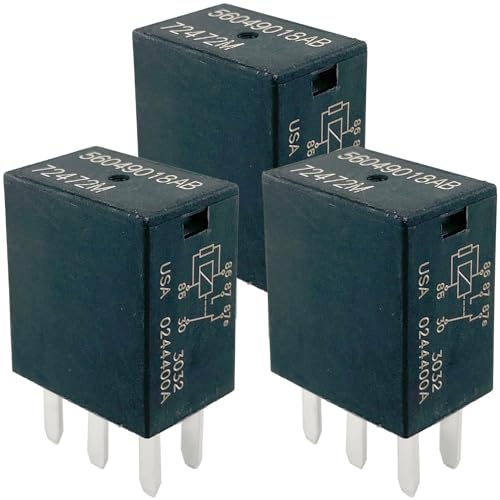


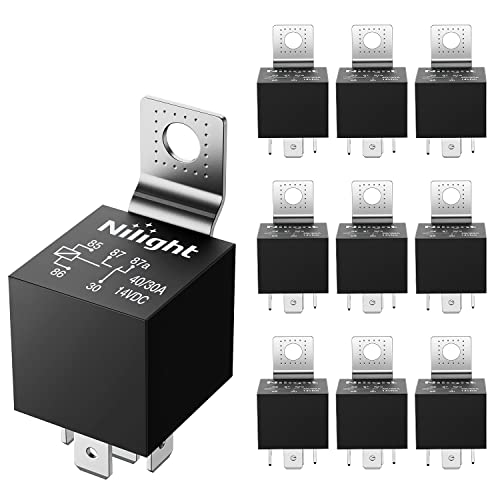
5-Pin Relay Testing with a Multimeter: Key Steps Table
How to test a 5-pin relay with a Multimeter?

To test a relay effectively, you can use a multimeter like the Klein Tools MM300 multimeter. A relay is an electronic switching device that regulates the power supply to a circuit or some machinery. We must rely on more than direct power supplies to deal with heavy-load systems. The power flow can be controlled by a system that delays, switches, or stops it. Follow these simple steps on How to Test a 5-Pin Relay with a Multimeter to check a malfunctioning 5-pin relay.
NOCO Boost Plus GB40
⭐ 4.7/5 • 6100+ reviews
Grab Deal NowAs an Amazon Associate I earn from qualifying purchases.
Checking a 5-pin relay: the first steps
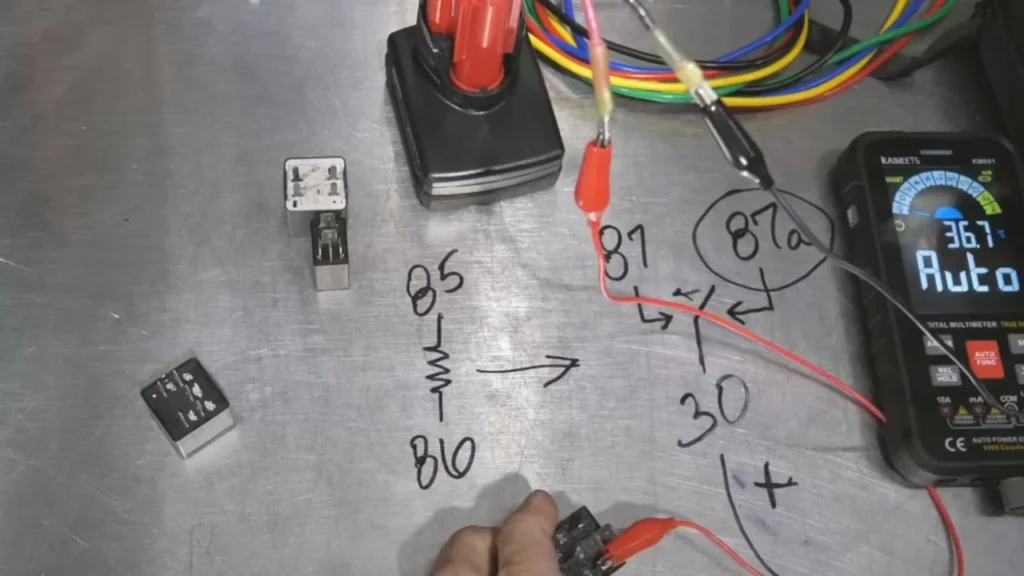
- 1. Set the Klein MM600 multimeter to continuity testing mode.
- 2. Connect one probe of the multimeter to the coil pin of the relay and connect the other probe to the ground pin of the relay.
- 3. With no power applied, check for continuity between each NC and NO pins.
- 4. If no continuity is detected, the relay is in working condition.
- 5. Now apply a power source to the coil pin and check for continuity between the Common pin and NC or NO pins.
- 6. If continuity is detected, the relay is in working condition.
- 7. Finally, check for continuity between the ground pin and the circuit’s ground wire. If there is no continuity, then the relay is not functioning correctly.
By following these steps, you can quickly test a 5-pin relay with a multimeter and determine whether it is in working condition. How to Test a 5-Pin Relay with a Multimeter can help you identify any electronic switching devices that may malfunction and ensure that your system is running correctly.


Testing 5-pin relay terminals with a Multimeter

To test a relay effectively, using a Fluke 15B multimeter, or any other multimeter you find suitable, makes the process easy. Testing the five-pin relay terminals with a multimeter is simple. All you need to do is set the multimeter to the continuity mode and then connect one of its probes to the coil pin while connecting the other probe to each pin. It will help you determine the current flow through each pin and whether they all work correctly. Once you have done this, you can quickly identify if any pins are not functioning correctly and take corrective action to get things back on track.
Testing a 5-pin relay with a multimeter is an essential part of maintenance and repairs that can help you identify any issues with the relay and ensure that your system runs smoothly. Therefore, it is a crucial task that you should carry out regularly.
In summary, How to Test a 5-Pin Relay with a Multimeter, testing a 5-pin relay with a multimeter is quite simple and can help you identify malfunctioning electronic switching devices. You must set the multimeter in continuity mode, connect one of its probes to the coil pin, and then click the other probe to each of the other pins.
It will help you determine whether all the connections are working correctly, and you can take corrective action if any plugs are not functioning correctly. Therefore, testing a 5-pin relay with a multimeter is essential to maintenance and repairs that you should carry out regularly.I made the list of best budget multimeters you can check out.
Faulty relay symptoms
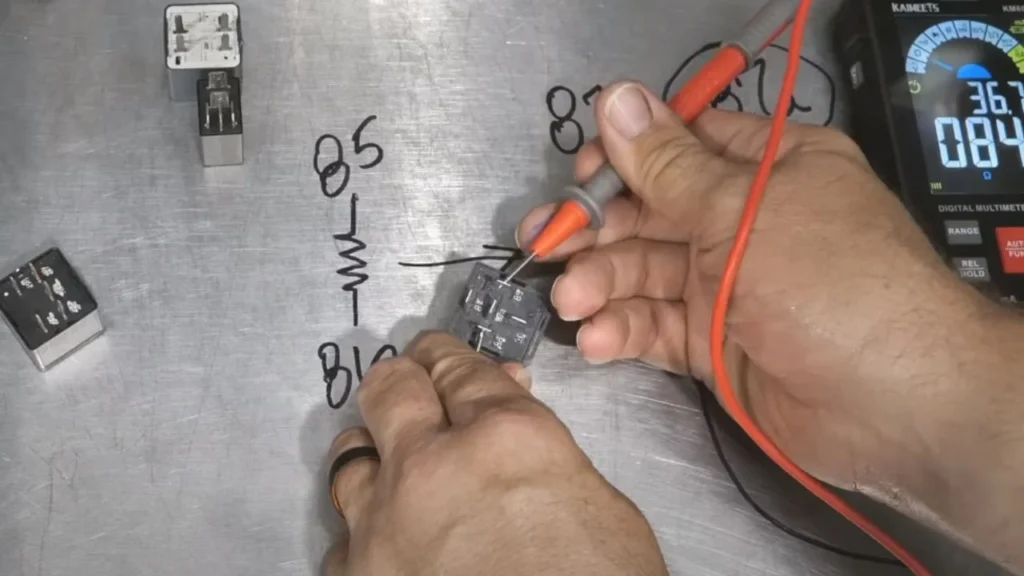
When a relay malfunctions, it can cause a variety of symptoms. Depending on the type of relay you are using, you might experience electrical issues such as dimming lights, flickering lamps, and more. Other symptoms include faulty circuit breakers that won’t reset, electrical devices not working, and more.
If you experience any of these symptoms, you should check the relay to ensure it’s in good working order. You can use a multimeter to test the relay and ensure it functions correctly. If the relay is not working, you should replace it with a new one.
Conclusion:
To test a 5-pin relay effectively, using a Fluke 113 multimeter, or any other multimeter you prefer, is a quick and easy method. Testing a 5-pin relay is essential in maintaining and repairing electrical systems. A multimeter can quickly check for continuity between each relay pin and determine if it is in working condition. If you detect any issues, you can take corrective action to get your system back on track.
Additionally, if you experience any faulty relay symptoms, such as dimming lights or flickering lamps, you should check the relay with a multimeter to ensure it is functioning correctly. By following these steps, you can ensure your system runs smoothly.
FAQs:
Q1.What is a 5-pin relay?
A 5-pin relay is an electrical switching device that opens and closes circuits within a system. It consists of five pins, with each pin providing a specific function.
Q2.How do you test a 5-pin relay?
To test a 5-pin relay, you must use a multimeter set to the continuity mode. Connect one of its probes to the coil pin and then connect the other probe to each pin. It will help you check for the current flow through each pin to determine if it is working correctly.
Q3.What are the symptoms of a faulty 5-pin relay?
A faulty 5-pin relay can cause symptoms such as dimming or flickering lights, malfunctioning electrical devices, and circuit breakers that won’t reset. If you notice these issues, it’s essential to test the relay with a multimeter to determine if it is causing the problem.
Q4.Can I test a 5-pin relay without power?
Yes, you can test a 5-pin relay without power by checking continuity between the relay pins with a multimeter. Apply power only when testing the coil pin’s response, but for the initial checks, the relay can be tested in its unpowered state.
Q5.How often should I test a 5-pin relay?
It’s recommended to test a 5-pin relay periodically, especially if you experience issues with the electrical system or if you suspect the relay may be malfunctioning. Regular testing helps prevent unexpected failures and ensures the system operates smoothly.