


If you’ve ever struggled with getting steady readings while using a multimeter, alligator clips for multimeter use could be your solution. These simple, versatile tools make testing and troubleshooting much easier, especially when you need both hands.
So, what exactly are alligator clips? Simply put, they are small spring-loaded metal clamps with teeth that can “bite” onto wires, components, or terminals to create a stable connection.
A Quick Look

When connected to your multimeter’s test probes, alligator clips allow for secure, hands-free testing. This makes them invaluable for anyone from hobbyists working on electronics to professionals troubleshooting electrical systems.
NOCO Boost Plus GB40
⭐ 4.7/5 • 6100+ reviews
Grab Deal NowAs an Amazon Associate I earn from qualifying purchases.
Let’s explore how alligator clips for multimeters can make your work easier, why they’re so valuable, and how you can use them like a pro.
Quick Fix
If your alligator clips aren’t giving stable readings, ensure they are gripping tightly onto wires or terminals. Check for dirt or corrosion on the clips, as this can interfere with the connection. Using insulated clips for live circuits also improves safety and accuracy. Perfect for electronics, automotive, and circuit board testing, alligator clips allow for stable, consistent measurements without the hassle of holding probes.
What Are Alligator Clips for Multimeters?
Alligator clips, sometimes referred to as crocodile clips, are small clamps that resemble the jaws of an alligator. Their main function is to create a solid, temporary connection between a multimeter and the circuit or component you’re testing.

These clips are attached to the end of your multimeter’s test leads and are a lifesaver in situations where you need a secure and stable connection.
Why Use Alligator Clips?
If you’ve ever had to hold the test probes on a multimeter in awkward positions or struggled to keep the contact steady while looking at the readings, you already know how difficult it can be to get accurate measurements.
Alligator clips solve this problem by securely gripping the wire or terminal for you, freeing up your hands and allowing you to focus on other tasks or components.
Benefits of Using Alligator Clips:
- Hands-free operation: Once clipped, they stay in place, allowing you to multitask or work more efficiently.
- Consistent connection: You don’t have to worry about shaky hands or poor contact affecting your readings.
- Safe testing: They let you test live circuits safely from a distance, reducing the risk of accidental slips or shocks.
Types of Alligator Clips for Multimeters
Not all alligator clips are the same, and different types are suited to different tasks. Here’s a breakdown of the most common types of alligator clips you’ll encounter when using them with multimeters:
1. Standard Alligator Clips
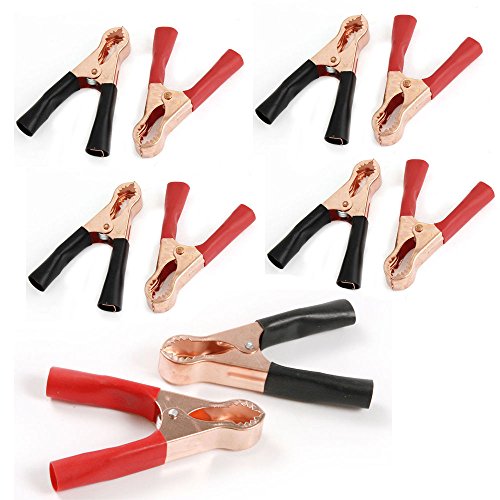
These are the most basic and widely used alligator clips. They have a simple metal jaw with serrated teeth that can firmly grip wires, terminals, or small components.

- Best for: General-purpose use, such as testing wires, components, and electrical terminals.
- Size: Typically available in a variety of sizes, ranging from small (mini) to large.
2. Insulated Alligator Clips
Safety should always be a priority when working with electrical circuits. Insulated alligator clips come with a protective plastic coating around the handles, reducing the risk of short circuits and electric shocks when testing live circuits.
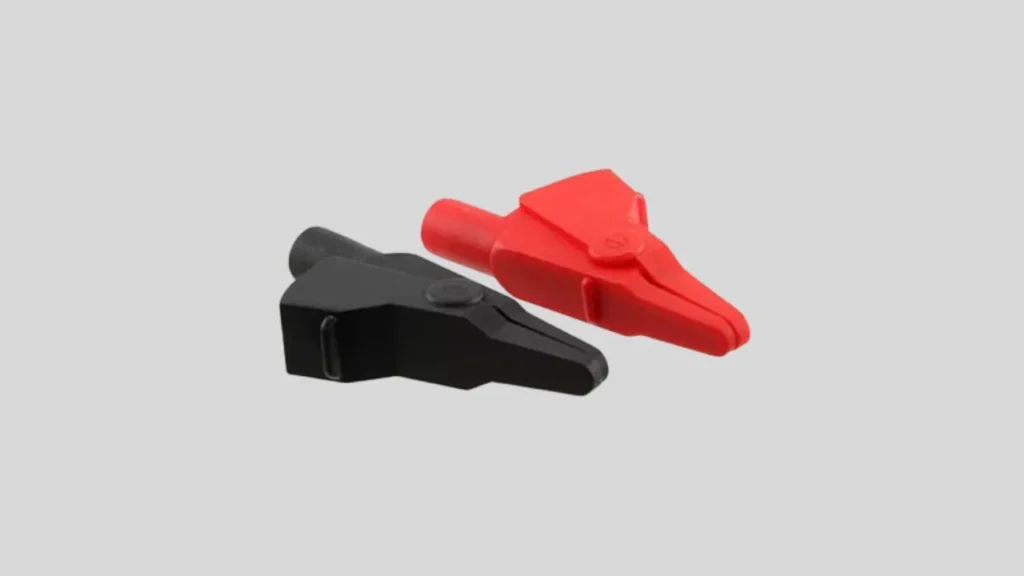
- Best for: Testing live circuits or high-voltage components.
- Added benefit: Insulation prevents accidental contact with other components.
3. Heavy-Duty Alligator Clips
For larger components or wires, heavy-duty alligator clips provide stronger gripping power and can handle higher currents. These clips are generally more robust and can handle more rugged environments.

- Best for: Automotive testing or testing large cables in industrial settings.
- Size: Larger in size to accommodate bigger wires or terminals.
4. Banana Plug to Alligator Clip Adapters
Banana plug to alligator clip adapters allow you to attach an alligator clip directly to a banana plug connection, which is often found on the back of your multimeter or in lab environments. These adapters are very convenient for quick testing setups.

- Best for: Connecting to banana plug sockets or lab-style equipment.
- Usage: Simply plug the banana connector into the multimeter and attach the alligator clip to your circuit.



How to Use Alligator Clips with a Multimeter
Using alligator clips with your multimeter is incredibly simple. Here’s a step-by-step guide to help you get started:
Step 1: Attach the Alligator Clips to Your Multimeter Probes
First, you’ll need to attach the alligator clips to the ends of your multimeter’s test leads. Most multimeters come with detachable probes, which allow you to easily slide an alligator clip over the exposed metal tip. Ensure that the clip is securely fastened so it doesn’t slip off during testing.
Step 2: Connect the Clips to Your Test Points
Once the clips are securely attached to your multimeter, find the wires, terminals, or components you want to test. Carefully attach the alligator clips to these points, ensuring a firm grip. The clips’ spring-loaded mechanism should keep them securely in place.
Step 3: Take Your Measurement
Now that your clips are in place, you can begin your measurement. With alligator clips holding everything securely, you don’t have to worry about accidental disconnections, and you can easily focus on the multimeter readings.
Benefits of Using Alligator Clips for Multimeter Testing
You might be wondering, why go through the trouble of using alligator clips when you could just use the regular test probes? Here are several reasons why alligator clips offer an advantage over standard multimeter probes in many situations:
1. Hands-Free Testing
One of the biggest advantages of using alligator clips is the ability to go hands-free. This is particularly helpful when you’re troubleshooting a complex circuit and need to focus on other parts of the system while your multimeter continues measuring.
It’s also great for situations where you need to leave the multimeter connected for an extended period to monitor ongoing changes.
2. Improved Safety
With alligator clips, you can reduce the risk of accidents. Instead of holding two probes with your hands, you can clip the leads to the circuit, allowing you to step back from the testing area. This is especially important when working with high voltages or hazardous components.
3. Accurate, Stable Readings
When you manually hold multimeter probes in place, even small hand movements can lead to inconsistent or fluctuating readings. Alligator clips ensure a stable connection to your test points, leading to more consistent and accurate measurements.
4. Reaching Difficult Spots
Some components are hard to reach with standard probes, especially in tight spaces or on complex circuit boards. Alligator clips can latch onto these hard-to-reach areas and stay securely in place, making your job much easier.
Common Uses for Alligator Clips in Multimeter Testing
Alligator clips are incredibly versatile and can be used for various tasks. Here are some of the most common applications where alligator clips come in handy:
1. Automotive Diagnostics
When testing a car’s electrical system, alligator clips make it easier to measure voltages, resistance, or continuity on difficult-to-access connectors. They’re especially useful for connecting to battery terminals or testing large wires under the hood without needing to constantly hold the probes in place.
2. Circuit Testing
In electronics, you might need to test multiple points on a circuit board. Alligator clips let you securely connect to small components and hold them in place while you troubleshoot or make adjustments.
3. Battery Testing
When testing batteries, you need to ensure good contact with the terminals. Alligator clips are perfect for holding onto battery terminals securely, which is particularly helpful when testing large batteries like those used in vehicles.
5 Quick Tips for Using Alligator Clips Effectively
Want to get the most out of your alligator clips? Here are five quick tips to help you use them effectively:
- Use Insulated Clips for Safety: If you’re testing live circuits, always choose insulated alligator clips to reduce the risk of electrical shock or short circuits.
- Ensure a Firm Grip: Make sure the clip’s teeth fully latch onto the wire or terminal. A poor connection can lead to inaccurate readings.
- Test in a Stable Environment: Avoid using alligator clips in unstable or vibrating environments, as this could cause the clips to lose contact with the test point.
- Keep Them Clean: Over time, dirt or oxidation can build up on the teeth of alligator clips. Keep them clean to ensure a solid electrical connection.
- Use Clips for Prolonged Tests: If you’re testing a circuit over a longer period, use alligator clips to maintain a stable connection, ensuring more consistent results.
Final Thoughts
Alligator clips for multimeters are essential tools for anyone working with electronics or electrical systems. They provide stability, safety, and convenience, making it easier to get accurate and consistent readings without the hassle of holding probes in place.
By incorporating these clips into your testing routine, you’ll be able to work more efficiently and confidently, no matter what project you’re tackling. Just remember to choose the right type of alligator clip for the task at hand, and follow best practices to ensure accurate and safe measurements.
FAQ’s
1. What are alligator clips for multimeters used for?
Alligator clips are used to securely grip wires, terminals, or components for testing, allowing for hands-free multimeter measurements.
2. Are alligator clips safe to use on live circuits?
Yes, but only if you’re using insulated alligator clips. The insulation prevents accidental contact and reduces the risk of short circuits or electrical shocks.
3. How do I attach alligator clips to my multimeter?
Alligator clips can be attached to your multimeter’s test leads by sliding the clip over the exposed metal probe tip. Ensure a firm attachment for stable measurements.
4. Can I use alligator clips for high-current measurements?
Yes, but make sure to use heavy-duty alligator clips that are designed for higher currents. Regular clips may not handle large currents safely.
5. Why are my readings fluctuating with alligator clips?
Fluctuating readings can occur if the clip isn’t making a solid connection with the test point. Ensure that the clip’s teeth are biting down securely and there’s no corrosion on the contact surfaces.