


Some people want to test their home electricity and don’t know how to use a voltmeter on outlets and wires. Here’s a short guideline and an answer you want to learn:
Quick Look:
“Ensure your voltmeter is set to the appropriate voltage range, usually AC, and select the highest range available for accuracy. Insert the red probe into the “VΩ” or voltage port and the black probe into the “COM” or common port on the voltmeter.
A Quick Look
Place the red probe on the outlet’s or wire’s hot (live) terminal and the black probe on the neutral or ground terminal. Read the voltage displayed on the voltmeter’s screen, ensuring it falls within the expected range for a safe and proper electrical connection.
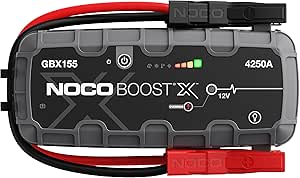
NOCO Boost Plus GB40
⭐ 4.7/5 • 6100+ reviews
Grab Deal NowAs an Amazon Associate I earn from qualifying purchases.
You should familiarize yourself with voltmeters and their types. Testing can be easier if you pick the right voltmeter.
What is a voltmeter?
A voltmeter is an electrical instrument used to measure voltage. It consists of a display, typically with a dial or digital readout, and two probes connected to the measured circuit. Voltmeters can be analog or digital, with both types having advantages and applications.

Analog voltmeters use a needle and scale to indicate the voltage, while digital voltmeters provide numerical readings on a digital screen. Understanding a voltmeter’s essential components and operation sets the foundation for accurate and safe voltage measurements.
Importance of using a voltmeter
Using a voltmeter allows you to measure the voltage, or electrical potential difference, in an outlet or wire. This measurement helps you determine if the voltage level is within the expected range, identify faulty circuits, and troubleshoot electrical problems.

Whether you are an electrician, a DIY enthusiast, or simply concerned about electrical safety at home, using a voltmeter is indispensable.
Types of Voltmeters
When it comes to measuring voltage, different types of voltmeters are available, each with unique features and advantages. Understanding the various kinds of voltmeters will help you choose the right one for your specific needs. Let’s explore the two main categories of voltmeters:

- Analog voltmeters
- Digital voltmeters
Analog voltmeters:
Analog voltmeters have been around for a long time and are recognizable by their classic needle-and-dial design. They visually indicate voltage using a moving pointer on a scale. Analog voltmeters are known for their simplicity and durability.

They are often used for general measurements and are suitable for situations where a precise numerical reading is not required.
Digital voltmeters
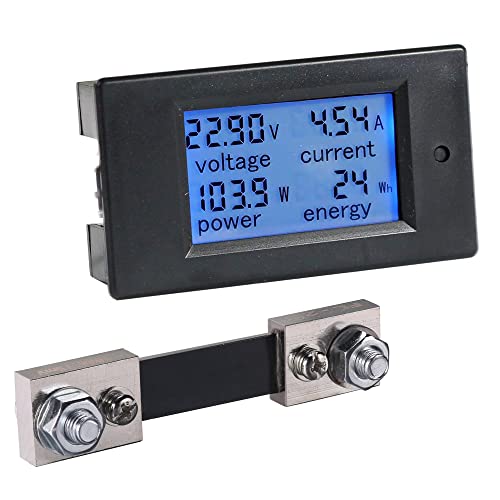
Digital voltmeters have gained popularity due to their accuracy and ease of use. These voltmeters provide numerical readings on a digital display, making it easier to interpret voltage measurements. Digital voltmeters offer a wide range of features, such as auto-ranging, which automatically selects the appropriate voltage range, and hold functions, which freeze the displayed value for easy reading. They are highly versatile and can be found in handheld and benchtop versions.

Choosing the correct type of voltmeter depends on your specific requirements. Analog voltmeters are great for quick measurements and situations where a rough voltage estimate is sufficient. On the other hand, digital voltmeters provide precise readings and additional features that enhance usability.



Safety Precautions
When working with electricity, safety should always be the top priority. Before using a voltmeter on outlets or wires, taking necessary precautions to protect yourself and prevent accidents is crucial. Let’s explore the essential safety measures to follow:
Importance of safety measures
Electrical measurements involve potential hazards, such as electric shock or short circuits. By implementing safety measures, you minimize the risks associated with working with electricity. It is essential to prioritize your well-being and ensure a safe working environment.
Protective gear
Wearing appropriate protective gear is essential for personal safety. Always wear insulated gloves, safety glasses, and non-conductive footwear when working with electrical circuits. These protective items protect against electrical shocks and safeguard you from potential harm.
Proper workspace setup
Setting up a safe workspace is crucial to avoid accidents and maintain a controlled environment. Here are some critical steps to follow:
Turn off the power: Before working with outlets or wires, turn off the power supply at the circuit breaker or fuse box. This eliminates the risk of electrical shocks during the measurement process.
Test the outlet or wire: Use a non-contact voltage tester to verify that the outlet or wire is not live. This additional step ensures further safety by confirming that the power is turned off.
Organize cables and wires: Ensure that cables and wires are neatly arranged and not tangled. This reduces the chances of tripping or accidentally damaging the cables during the measurement process.
Keep the area dry: Ensure that the workspace is dry and free from any moisture. Water and electricity do not mix well, and a wet environment increases the risk of electrical accidents.
How to Use a Voltmeter on Outlets and Wires? Step-by-step guide
Using a multimeter to measure an outlet or wire can be easy if you follow these steps. Follow these steps:
Select the Correct Voltmeter
Choose a voltmeter suitable for measuring AC voltage, as most outlets and household wires carry alternating current (AC). Make sure it is in good working condition.
Set the Range
Set the voltmeter to the appropriate voltage range. Start with the highest range available and gradually decrease it until you get a reading.
Insert the Probes
Insert the voltmeter probes into the appropriate slots or holes. The red probe goes into the positive (+) slot, and the black probe goes into the negative (-) slot.
Outlet Measurement
For measuring voltage from an outlet, insert the probes into the corresponding slots—red probe into the smaller slot and the black probe into the larger slot.
Wire Measurement
Separate the wires if necessary to measure voltage on wires and expose a small section of the conductor. Insert the probes onto the exposed part—red probe on one wire, black probe on the other.
Read the Display
Once the probes are connected, read the voltmeter’s display. It will show the voltage measurement in volts (V).
Interpret the Results
Compare the reading to the expected voltage range for the outlet or wire. Standard household outlets in most countries typically have a voltage between 110V and 120V.
Safety Precautions
After taking the measurement, remove the probes carefully. Always turn off the power before making any adjustments or repairs. After knowing how to use a voltmeter on an outlet or wires, Don’t worry, I showed you how to avoid mistakes so you don’t make them.
Common Mistakes to Avoid
When using a voltmeter on outlets or wires, it’s essential to be aware of common mistakes that can compromise accurate measurements or pose safety risks. You can ensure reliable readings and maintain a safe working environment by avoiding these pitfalls. Let’s explore the common mistakes to avoid:
Mishandling the voltmeter
Many people overlook the importance of reading the user manual. Familiarize yourself with the specific instructions, features, and limitations of the voltmeter. This helps prevent mishandling and ensures proper use.
Applying excessive force: Avoid using excessive force when connecting the voltmeter probes to outlets or wires. Gentle pressure is sufficient to establish a secure connection. Applying excessive force can damage the probes or cause short circuits.
Improper storage: Store the voltmeter in a safe and dry location, away from extreme temperatures or humidity. Mishandling or improper storage can lead to calibration issues or damage to the device.
Incorrect selection of voltage range
Always select the appropriate voltage range on the voltmeter that matches the expected voltage level. Failing to do so can result in inaccurate readings or damage to the voltmeter.
Auto-ranging limitations: If using a digital voltmeter with auto-ranging capabilities, be aware of its limitations. In specific scenarios, manually selecting the voltage range might be necessary for precise measurements.
Neglecting safety precautions
Always wear protective gear, such as insulated gloves and safety glasses, when working with electricity. Neglecting safety gear can expose you to hazards and increase the risk of accidents.
Failing to turn off the power: Before connecting the voltmeter to outlets or wires, ensure the power is switched off at the circuit breaker or fuse box. Failing to turn off the power can result in electrical shocks or damage to the voltmeter.
Working in wet conditions: Avoid working with voltmeters or electrical systems in wet or damp conditions. Water and electricity are a dangerous combination that can lead to electrical accidents.
FAQs
How do you check electricity with a voltmeter?
Sure! Checking electricity with a voltmeter is a simple and useful process. First, make sure the voltmeter is set to the correct voltage range for specific measurement. Next, carefully insert the voltmeter’s probes into the corresponding electrical outlets or terminals.
Ensure that the red probe goes into the positive (+) terminal, while the black probe goes into the negative (-) terminal. Once connected, the voltmeter will display the voltage reading on its screen. Remember to take note of any safety precautions and follow the manufacturer’s instructions when using a voltmeter to stay safe and accurate with electricity measurements.
How do you use a voltmeter on a wire?
Are you worriedhow to use a voltmeter on an outlet or wires then take a short answer. To use a voltmeter on a wire, follow these steps. First, ensure that the wire is not carrying any electrical current. Then, select the appropriate voltage range on the voltmeter.
Next, gently touch the voltmeter’s probes to the wire’s exposed metal ends. Make sure to connect the positive probe to the wire’s positive end and the negative probe to the negative end.
Finally, read the voltage value displayed on the voltmeter. Remember, always exercise caution and double-check connections to ensure accurate readings. If you’re unsure about anything, consult the voltmeter’s manual or seek assistance from a knowledgeable person.
How do I use a voltmeter to test if a wire is carrying electricity?
To use a voltmeter to test if a wire is carrying electricity, follow these simple steps. First, set your voltmeter to the appropriate voltage range, typically AC or DC, depending on the type of circuit you are testing.
Next, ensure that the voltmeter is properly connected to the wire by touching the voltmeter probes to the exposed metal parts of the wire. One probe should be placed on the exposed part of the wire you want to test, while the other probe should be connected to a known reference point, such as a ground.
Once the probes are securely in place, check the voltmeter reading. If the wire is carrying electricity, you should see a voltage reading on the display. Remember to exercise caution and ensure your safety by following proper electrical handling procedures and wearing appropriate protective gear.
Conclusion
Learning how to use a voltmeter on an outlet or wires can be very easy and simple if you pay some attention but remember safety should be your top priority when working with electricity. During testing avoid applying excessive force, Incorrect selection of voltage range, and Neglecting safety precautions.