
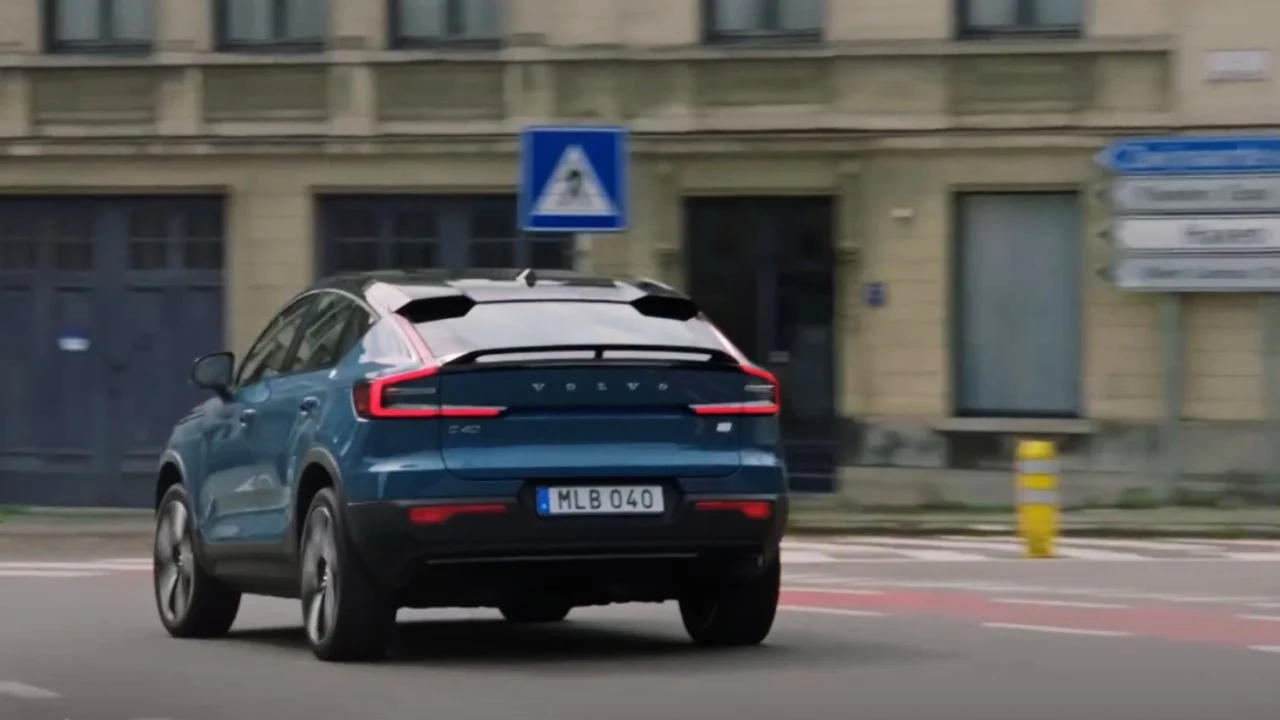

If you’ve been thinking about getting an electric car, one of the first questions you might have is how far an electric car can go on one charge?
Well, with the latest advancements, most electric cars today can cover around 250 to 350 miles on a single charge.
A Quick Look
That’s pretty impressive and enough for your daily driving and even longer trips. Some models, like the Lucid Air, can go even further—up to 520 miles.
NOCO Boost Plus GB40
⭐ 4.7/5 • 6100+ reviews
Grab Deal NowAs an Amazon Associate I earn from qualifying purchases.
Let’s dive into what affects the range of an EV and how you can make the most of it.
What affects the range of an electric car?
Factors like battery size, weather conditions (cold can reduce range by 20-40%), and driving habits all affect how far an EV can go on a charge.
Quick Fix
If you’re wondering how far an electric car can go on one charge, the answer depends on the model. Most electric vehicles (EVs) can travel between 250 to 350 miles per charge.
High-end models, like the Lucid Air, can go even further, reaching up to 520 miles. The range depends on factors like battery size, driving habits, and weather conditions, but it’s more than enough for daily commuting and weekend road trips.
How Far an Electric Car Can Go?
The driving range of an electric car depends on several factors, including the vehicle’s battery size, driving conditions, and energy efficiency. On average, most modern electric vehicles (EVs) offer a range between 200 and 300 miles on a single charge, though some high-end models like the Tesla Model S can exceed 400 miles.
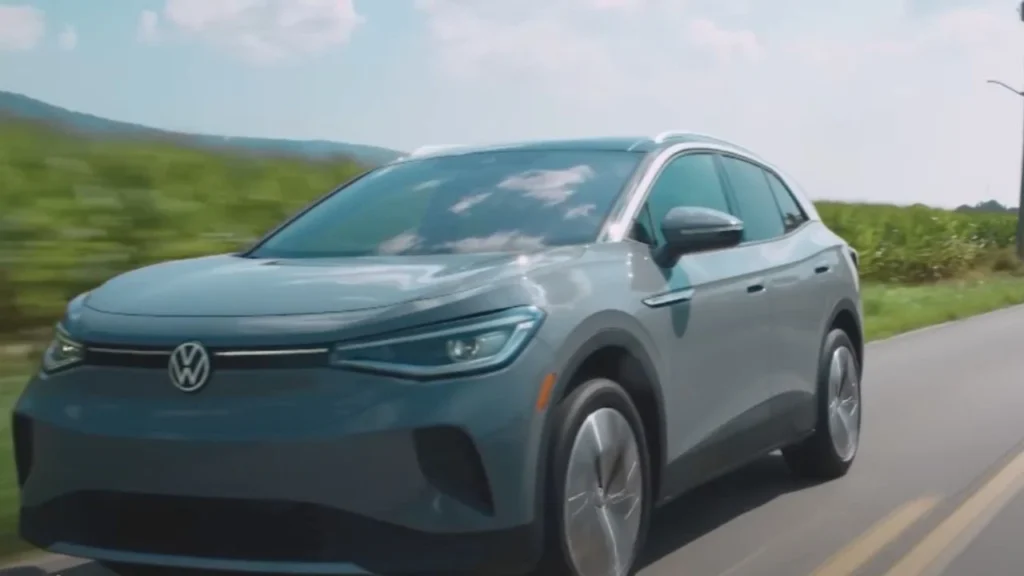
Factors such as speed, terrain, weather conditions, and the use of accessories like air conditioning can impact the range. As battery technology continues to improve, the range of electric cars is expected to increase, making them even more practical for long-distance travel.


How Long Does It Take to Charge an EV?
Charging time is a major concern for many people considering electric vehicles (EVs). After all, we’re used to filling up a gas tank in just a few minutes.
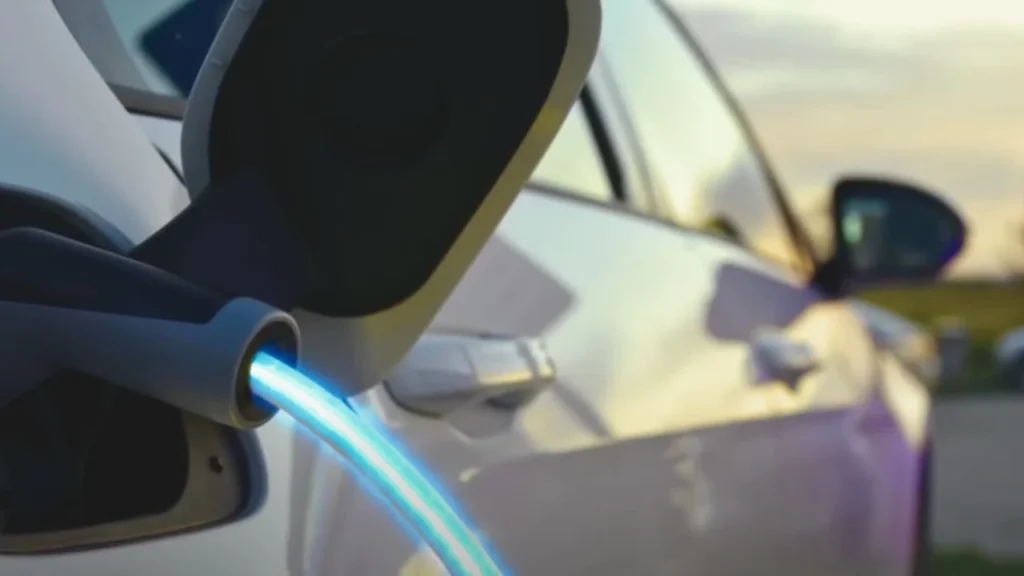
However, EV charging times can vary quite a bit depending on the charging method you’re using, your vehicle’s battery size, and how empty the battery is when you start charging.
Let’s break it down by comparing the three main levels of charging:
Level 1 Charging (Slowest Option)
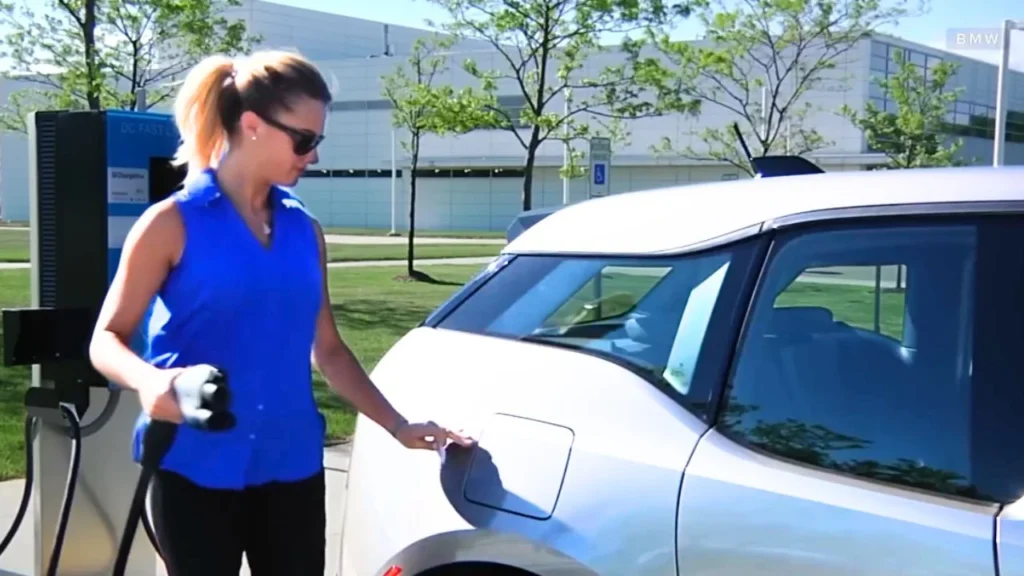
- How it works: Level 1 charging is done through a standard 120-volt household outlet, which you can find in every home. Most EVs come with a Level 1 charging cable, so you can just plug your car into your home outlet.
- Charging speed: This is the slowest method, and it adds around 3 to 5 miles of range per hour of charging.
- Total time for a full charge: Depending on the battery size, it can take anywhere from 20 to 40 hours to fully charge an electric vehicle. For example, if your EV has a 60 kWh battery, charging from empty to full using Level 1 could take up to 24 hours.
Pros:
- No extra equipment needed; just plug into a regular outlet.
- Suitable for light daily driving if you charge overnight.
Cons:
- Very slow charging, not ideal for long-distance travel or if you need a quick boost.
Best for: People with short daily commutes or those who can leave the car plugged in overnight every day.
Level 2 Charging (The Ideal Home Option)
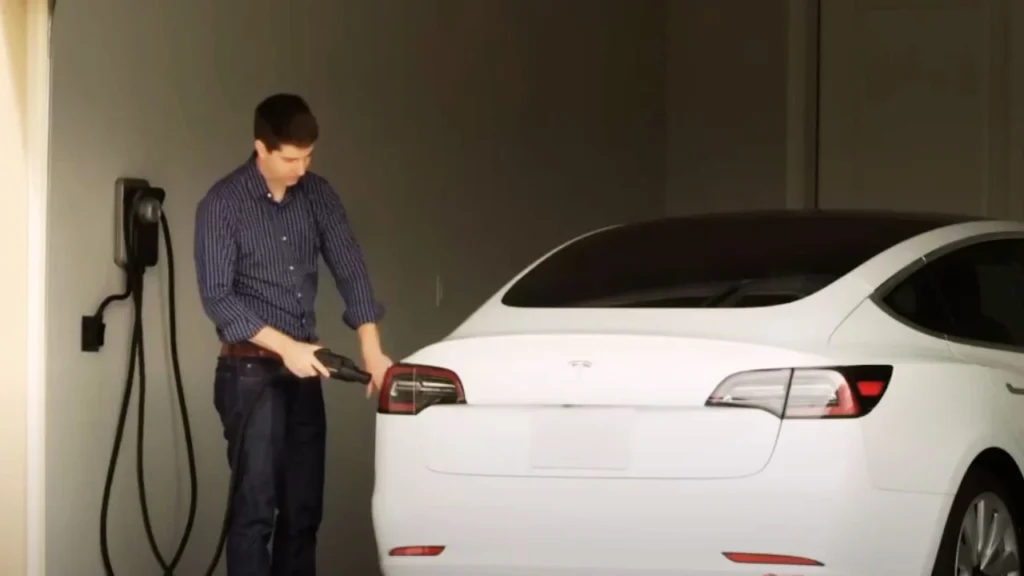
- How it works: Level 2 chargers use a 240-volt outlet, similar to what’s used for large appliances like dryers or ovens. Most EV owners have a Level 2 charger installed at home, which often requires hiring an electrician. These chargers are also commonly found at public locations like parking garages, shopping centers, and workplaces.
- Charging speed: A Level 2 charger adds around 20 to 30 miles of range per hour.
- Total time for a full charge: With a 60 kWh battery, you can expect to fully charge your car in about 8 to 10 hours. For smaller battery EVs, it can take 4 to 6 hours.
Pros:
- Faster than Level 1, suitable for overnight charging at home.
- Can provide enough charge for most daily driving needs in just a few hours.
Cons:
- Requires installing a special charger, which can cost between $500 to $2,000 including labor.
Best for: Daily drivers who need a quicker charge and want the convenience of charging at home or at public stations.
Level 3 Charging (Fastest Option – DC Fast Charging)

- How it works: Level 3 chargers, also known as DC Fast Chargers, are typically found at commercial charging stations. These use direct current (DC) instead of alternating current (AC), which allows for much faster charging. They’re not usually available for home use due to the high voltage and cost.
- Charging speed: A Level 3 charger can add 100 to 200+ miles of range in just 30 minutes.
- Total time for a full charge: You can charge a typical EV like the Chevrolet Bolt or Tesla Model 3 from 20% to 80% in about 30 to 45 minutes. Full charging from 0% to 100% might take about 1 hour or more, but most drivers rarely need to charge from empty.
Pros:
- Fastest charging method—perfect for road trips and long-distance travel.
- Quickly adds significant miles in a short period of time.
Cons:
- Not available for home installation; you’ll need to find public stations.
- Charging up to 80% is fast, but the last 20% of charging slows down to protect battery life.
Best for: Long road trips or when you need a quick top-up in a short amount of time.
What’s Best for You?
From my experience, if you’re mostly driving short distances and can leave your car plugged in overnight, Level 1 charging could be enough for you. However, if you need a quicker turnaround or drive more miles daily, Level 2 at home is ideal. For long road trips or when you’re in a rush, Level 3 charging stations are a lifesaver—they get you back on the road fast.

Personally, I use a Level 2 charger at home because it’s fast enough to give me a full charge overnight, and when I take longer trips, I rely on Level 3 charging stations. The mix of both works perfectly for me, and I never worry about running out of range anymore.
Planning for Long-Distance Travel with an EV
One of the things I used to worry about was taking my electric car on long trips. But with more and more charging stations popping up, I’ve realized that it’s easier than ever. However, some planning is needed, especially if you’re thinking of driving cross-country.
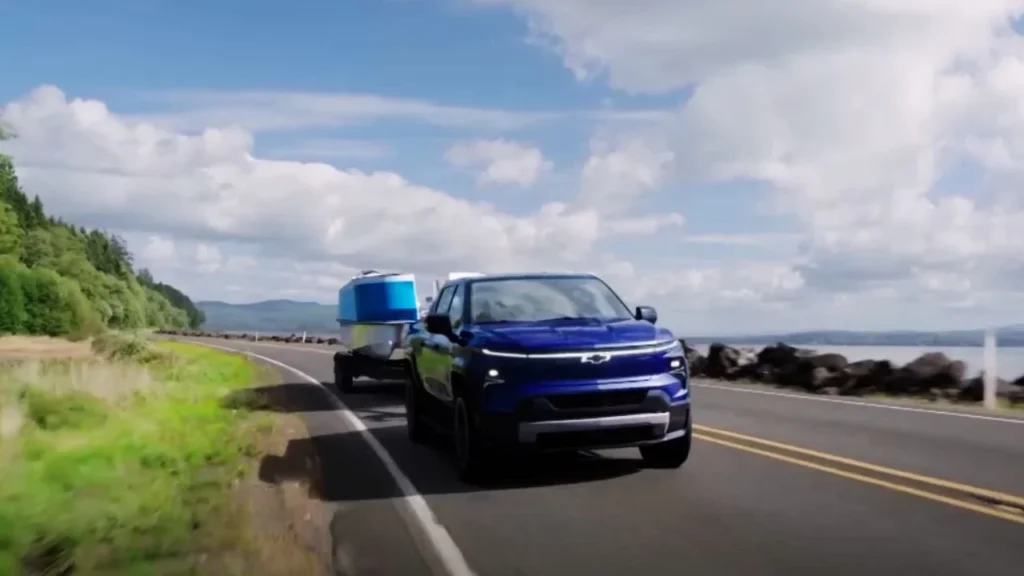
Here’s what I’ve found helpful:
- Check charging station apps: These apps help me find fast-charging stations along my route, and I can plan where to stop before I hit empty.
- Fast charging: I love using Level 3 chargers on road trips because they give me up to 200 miles of range in just 30 minutes. It’s enough time to grab a coffee and stretch my legs!
- Keep in mind your battery’s range: For example, if you’re driving a Chevrolet Bolt, you’ll get around 259 miles before needing a charge, so plan accordingly.
How to Maximize Your EV’s Range
If you’re like me and want to squeeze every mile out of your EV, here are some easy tips I follow that really make a difference:
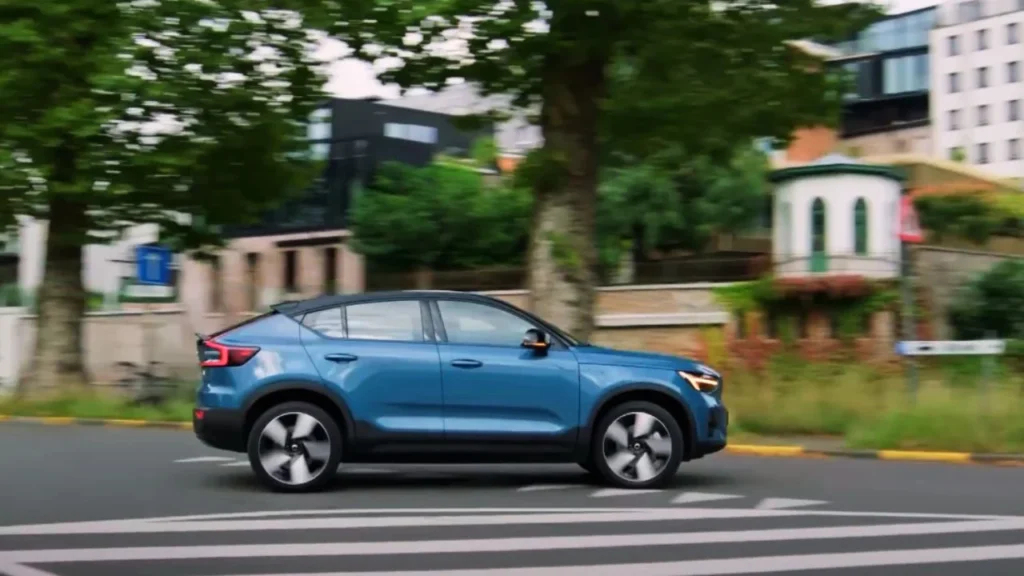
- Keep your tires properly inflated: Under-inflated tires use more energy, reducing range.
- Use eco-mode: Most EVs have this feature, and it limits the energy going to non-essential systems like air conditioning.
- Drive at moderate speeds: Speeding on the highway drains the battery much faster.
- Avoid using the heater or air conditioning excessively: It can take a big toll on your range, especially on very hot or cold days.
- Keep your software updated: EV manufacturers often release updates to improve range, and I always make sure to install them.
Electric Vehicles, Plug-In Hybrids, and Hybrids: A Quick Comparison
There are different types of electric vehicles, and if you’re still deciding which one is right for you, let me break them down:
- Electric Vehicles (EVs): These are fully electric and don’t use gas at all. EVs, like the Tesla Model 3 or Ford Mustang Mach-E, have a range of 250 to 500 miles, depending on the model.
- Plug-In Hybrids (PHEVs): These can go 20 to 60 miles on electricity before switching to gas. They’re a great option if you need flexibility for longer drives without charging.
- Hybrids: These combine a small electric motor with a gas engine, and they usually have a very short electric-only range, around 20-30 miles.
Real-World Range vs. EPA Estimates
While EPA range estimates are a great starting point, real-world driving can vary quite a bit. For instance, my car’s EPA range was around 300 miles, but in the winter, I noticed it was closer to 250 miles due to the cold weather. Driving conditions, road type, and even how much you’re running your AC or heater can make a difference.
The Future of Electric Car Range
Exciting developments are on the horizon for electric cars. Solid-state batteries are expected to give EVs even more range and faster charging times. Some companies are also working on battery-swapping technology, which would let you swap out a drained battery for a fully charged one in minutes—no more waiting at charging stations!
Plus, the network of fast-charging stations is growing rapidly, and soon, long road trips in an EV will feel as convenient as driving a gas-powered car.
Conclusion
So, how far an electric car can go? For most people, today’s EVs can easily cover 250 to 350 miles, which is perfect for daily driving and even weekend getaways.
As technology improves, range will only get better, and “range anxiety” will be a thing of the past. With proper planning and a few driving tips, you’ll find that electric cars offer more than enough range for almost any trip.
Now that you know how far electric cars can go, you might be ready to take the plunge and enjoy the benefits of driving an EV—less fuel, fewer emissions, and way more fun on the road!
FAQ’s
1. How long does an electric car battery last?
Most electric car batteries are designed to last 8-10 years before significant degradation, and they typically lose only about 2.3% of capacity per year with proper care.
2. Can electric cars be charged at home?
Yes, electric cars can be charged at home using either a Level 1 charger (standard outlet) or a Level 2 charger, which is faster but requires a 240-volt outlet.
3. How far can an electric car go in cold weather?
In cold weather, electric car range can drop by 20% to 40% due to the increased energy needed for heating and reduced battery efficiency.