


Are you thinking about installing a heat pump and wondering, how much will a heat pump increase my electric bill?
If so, you’re asking a very common question. Heat pumps can be incredibly energy-efficient, but they do run on electricity. So, it’s only natural to want to know how much they’ll affect your energy costs.
A Quick Look
The answer depends on several factors, including the size of your home, local climate, and the type of heat pump you install. In most cases, a heat pump will increase your electric bill, but it may still save you money overall.
NOCO Boost Plus GB40
⭐ 4.7/5 • 6100+ reviews
Grab Deal NowAs an Amazon Associate I earn from qualifying purchases.
In this post, we’ll break down everything you need to know about how much a heat pump will impact your electric bill.
Quick Fix
To reduce the increase in your electric bill from a heat pump, ensure you choose a high-efficiency model with a high HSPF or SEER rating. Use a programmable thermostat to control when it runs, and seal air leaks in your home to minimize energy use. Regular maintenance, such as cleaning filters, can also keep your heat pump running efficiently
Understanding How a Heat Pump Works
Before we get into the numbers, it’s important to understand how a heat pump works. A heat pump doesn’t generate heat like a furnace or a boiler. Instead, it transfers heat from one place to another, which makes it far more efficient.

The Two Main Types of Heat Pumps
- Air-Source Heat Pumps
These are the most common types. They work by extracting heat from the air outside and moving it indoors during the winter. In the summer, they reverse the process, pulling heat out of your home to cool it down. - Geothermal Heat Pumps
These heat pumps extract heat from the ground instead of the air. They are more efficient but also more expensive to install. They are ideal for homes in regions with more extreme temperatures.
Because heat pumps transfer heat rather than generate it, they use significantly less energy. But, they still run on electricity, so you will see an increase in your electric bill.
How Much Will a Heat Pump Increase My Electric Bill?
Now, let’s answer the main question: how much will a heat pump increase my electric bill? The short answer is that it depends on how much electricity your heat pump uses and how often it runs.
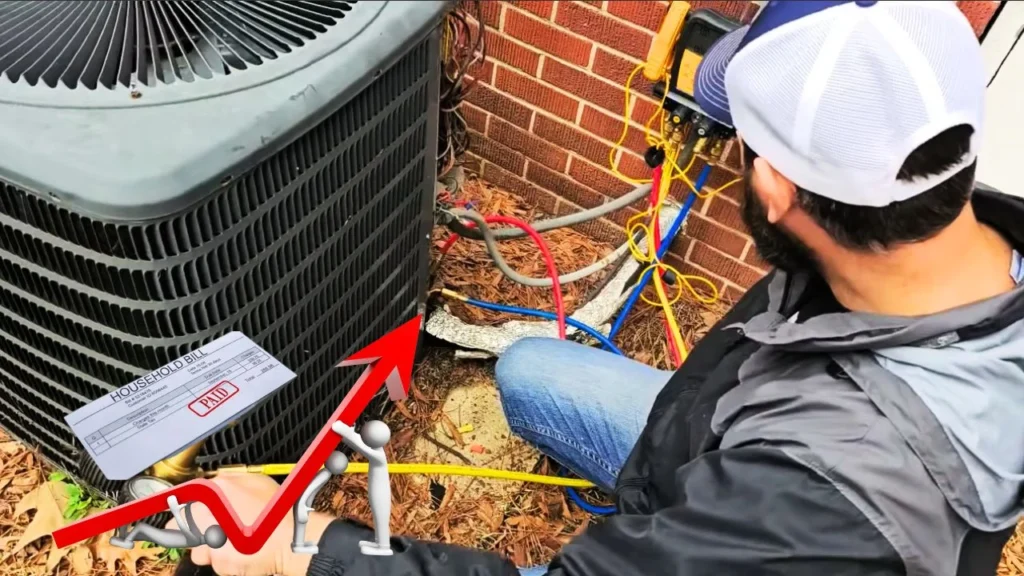
Factors That Influence Your Electric Bill
Several factors will determine how much your electric bill will increase with a heat pump:
- Size of Your Home
Larger homes require more energy to heat and cool, so the bigger your home, the more electricity your heat pump will use. A heat pump installed in a 2,000 square foot house will use more energy than one in a 1,000 square foot home. - Climate
In colder climates, heat pumps must work harder to maintain a comfortable indoor temperature, which will increase their electricity use. In milder climates, the pump won’t need to work as hard, which means lower energy consumption. - Efficiency of the Heat Pump
Heat pumps are measured by their HSPF (Heating Seasonal Performance Factor) for heating and SEER (Seasonal Energy Efficiency Ratio) for cooling. The higher these numbers, the more efficient the pump. More efficient heat pumps use less electricity, resulting in a smaller increase in your electric bill. - Your Current Heating System
If you’re switching from electric baseboard heating or space heaters, you’ll likely see your electric bill decrease. However, if you’re switching from gas, oil, or propane, your electric bill will go up, but your overall energy costs may still be lower due to the efficiency of the heat pump.
Real-World Examples of Heat Pump Energy Costs
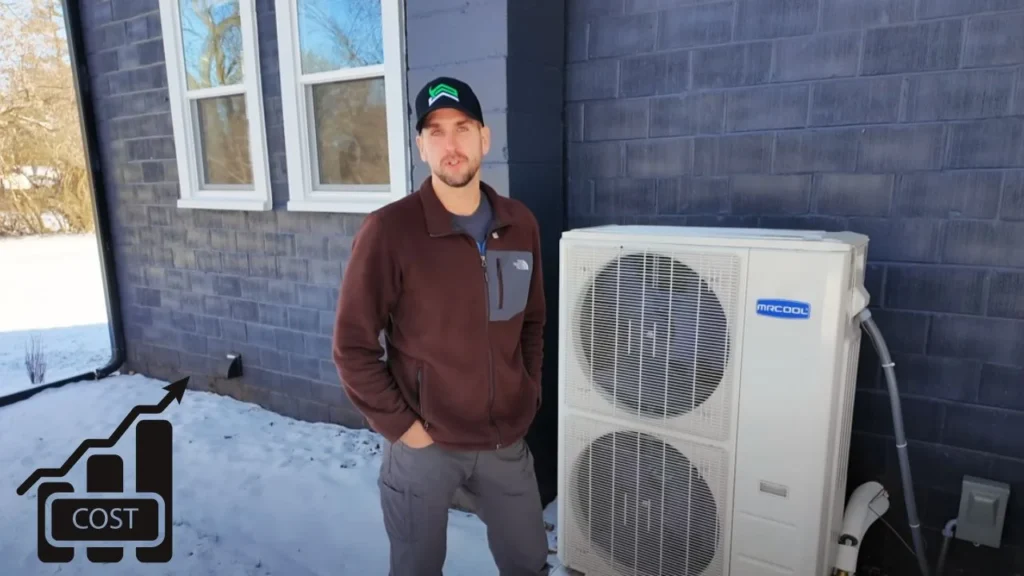
Let’s look at some real-world examples to help you understand what to expect.
Example 1: Small Home in a Mild Climate
Imagine a 1,500 square foot home in a mild climate, like the southern U.S., where winter temperatures rarely drop below freezing. In this case, the heat pump would only need to run moderately during the winter months. Here’s what you might expect:
- Average Monthly Electric Bill Before Heat Pump: $100
- Average Monthly Electric Bill After Installing a Heat Pump: $120
In this scenario, the heat pump adds about $20 per month to the electric bill, but it could save the homeowner hundreds on heating costs compared to electric baseboards or space heaters.
Example 2: Large Home in a Cold Climate
Now let’s consider a 3,000 square foot home in a colder climate, like the Northeast. Winter temperatures often drop below freezing, which means the heat pump will need to work harder.
- Average Monthly Electric Bill Before Heat Pump: $150
- Average Monthly Electric Bill After Installing a Heat Pump: $230
In this case, the heat pump adds $80 per month to the electric bill. However, compared to running a gas furnace, the homeowner might still save money overall on energy costs.
Example 3: Geothermal Heat Pump in a Cold Climate
Finally, let’s look at a geothermal heat pump in a 2,500 square foot home in a very cold area, like Canada or Alaska.
- Average Monthly Electric Bill Before Heat Pump: $200
- Average Monthly Electric Bill After Installing a Geothermal Heat Pump: $250
The geothermal heat pump adds $50 per month to the electric bill. However, it’s highly efficient and may offer significant savings in heating costs compared to traditional oil or gas heating systems.
How to Calculate the Cost of Running a Heat Pump
If you want to estimate exactly how much your electric bill will increase with a heat pump, here’s a quick way to calculate it. You’ll need to know the wattage of your heat pump and how many hours per day it runs.
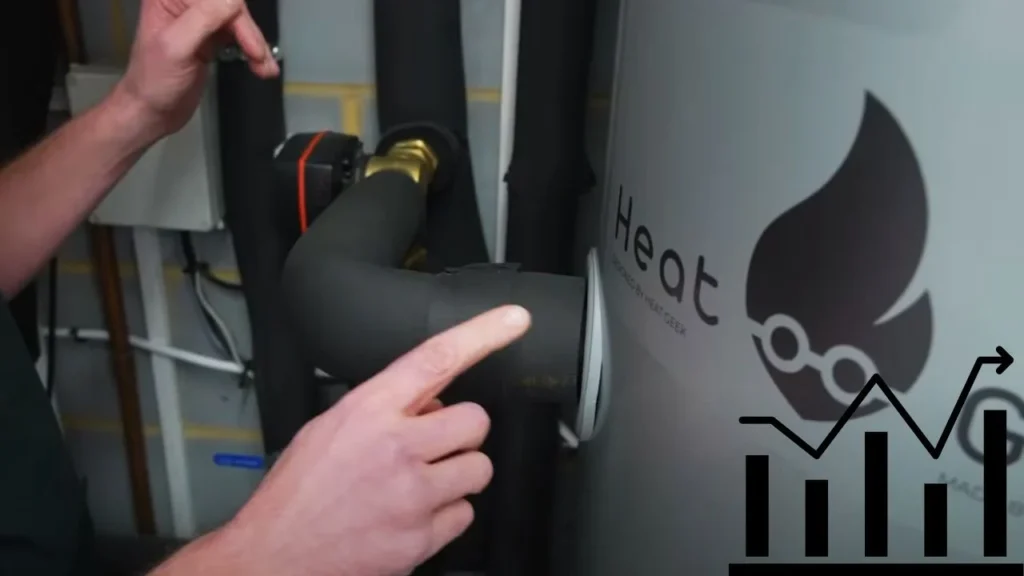
Step-by-Step Calculation
- Find Your Heat Pump’s Wattage
Look in the manual or on the label of your heat pump to find out how many watts it uses. A typical air-source heat pump uses about 3,500 watts per hour. - Estimate How Many Hours Per Day the Heat Pump Will Run
This depends on the climate and how well your home is insulated. In mild climates, the pump might
run for about 4 to 6 hours per day during the winter. In colder climates, it might run closer to 10 to 12 hours per day.
- Calculate the Daily Energy Usage
Multiply the heat pump’s wattage by the number of hours it runs each day. For example, if your heat pump uses 3,500 watts and runs for 6 hours per day, the daily energy usage is:
3,500 watts x 6 hours = 21,000 watt-hours, or 21 kilowatt-hours (kWh).
- Find Your Electricity Rate
Check your electric bill to find out how much you pay per kilowatt-hour. The national average in the U.S. is about $0.13 per kWh, but rates can vary depending on where you live. - Calculate the Daily Cost of Running the Heat Pump
Multiply the daily energy usage by your electricity rate. Using the previous example of 21 kWh per day and an electricity rate of $0.13 per kWh, the daily cost would be:
21 kWh x $0.13 = $2.73 per day.
- Estimate the Monthly Cost
Finally, multiply the daily cost by 30 to estimate the monthly cost. In this case, it would be:
$2.73 per day x 30 days = $81.90 per month.
This gives you a rough estimate of how much running the heat pump will add to your monthly electric bill.
How to Minimize the Increase in Your Electric Bill
Although a heat pump will likely increase your electric bill, there are ways to minimize the impact. Here are some tips to keep your costs as low as possible:
1. Choose a High-Efficiency Heat Pump
Look for a heat pump with a high HSPF (Heating Seasonal Performance Factor) and SEER (Seasonal Energy Efficiency Ratio) rating. A heat pump with an HSPF of 8.5 or higher and a SEER of 14 or more will be more energy-efficient, meaning it will use less electricity to heat and cool your home.
2. Use a Programmable Thermostat
A programmable thermostat lets you control when your heat pump runs, so you’re not wasting energy heating or cooling your home when no one is there. Set the temperature lower when you’re away and program it to heat up just before you return home.
3. Seal and Insulate Your Home
If your home isn’t well-insulated, your heat pump will need to work harder, increasing your electric bill. Seal air leaks around windows and doors, and make sure your home has adequate insulation. This can significantly reduce your heating and cooling costs.
4. Use Your Heat Pump Efficiently
Make sure you’re using your heat pump in the most efficient way. Set the temperature to a comfortable but moderate level. Don’t constantly adjust the thermostat, as this makes the heat pump work harder.
5. Maintain Your Heat Pump Regularly
Regular maintenance keeps your heat pump running efficiently. Clean or replace the air filters regularly, and have a professional check the system yearly. A well-maintained heat pump uses less energy and lasts longer.


Final Thoughts
So, how much will a heat pump increase your electric bill? The answer depends on your home, climate, and the type of heat pump you install. In general, you can expect your electric bill to increase by $20 to $80 per month, depending on your usage.
However, the energy efficiency of heat pumps means that you could save money overall, especially if you’re switching from an inefficient heating system.
By choosing a high-efficiency heat pump, using it wisely, and maintaining it properly, you can enjoy the benefits of comfortable heating and cooling without seeing a massive spike in your electric bill. A well-chosen and well-maintained heat pump can offer long-term savings and a more energy-efficient home.
FAQ’s
1. How much will a heat pump increase my electric bill?
The increase varies depending on factors like your home size, climate, and the efficiency of your heat pump. On average, you can expect an increase of $20 to $80 per month, depending on usage.
2. Will a heat pump lower my overall energy costs?
Yes, in many cases, a heat pump will reduce your overall energy costs, especially if you’re switching from less efficient heating systems like electric baseboards or oil furnaces.
3. How can I reduce the impact of a heat pump on my electric bill?
You can lower costs by choosing a high-efficiency heat pump, using a programmable thermostat, sealing your home, and maintaining your system regularly.
4. Are geothermal heat pumps more efficient?
Yes, geothermal heat pumps are generally more efficient than air-source models. However, they are more expensive to install and may not be worth the extra cost for everyone.
5. Does a heat pump use more electricity than a furnace?
Heat pumps use more electricity than gas or oil furnaces, but they are often more efficient overall. In mild climates, the savings from efficiency usually outweigh the increase in electricity use.