
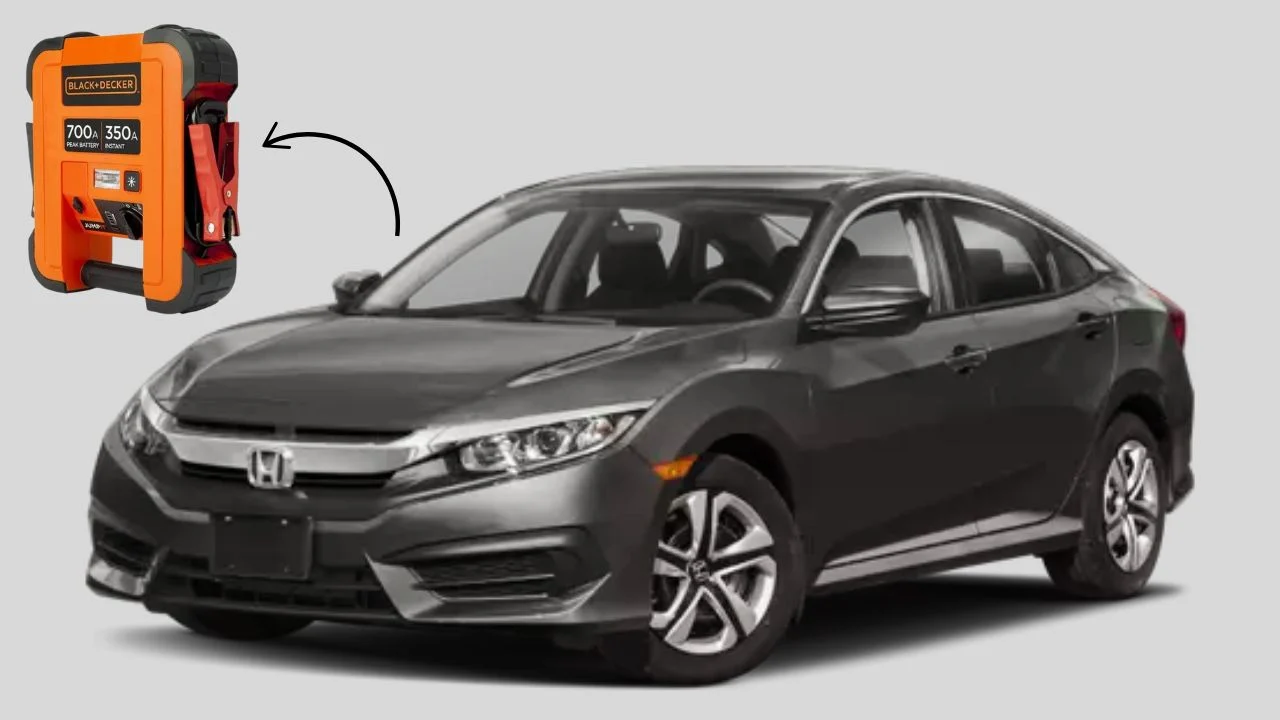

Got a dead battery in your Honda Civic? Don’t worry—how to jump start your Honda Civic is easier than you think! I’ve been in that situation myself, and with the right tools, it’s a quick fix.
The main question: Is it safe to jump-start a new car? Yes, but with modern cars, you need to follow the right steps to protect delicate electronics. I’ve jump-started my own cars (including my Mini Cooper) and can tell you, it’s all about using the right equipment and being cautious.
A Quick Look
Here’s a step-by-step guide to help you get your Honda Civic running again. Let’s get started!
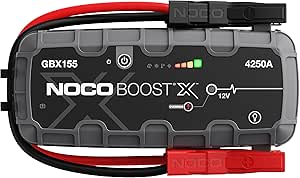
NOCO Boost Plus GB40
⭐ 4.7/5 • 6100+ reviews
Grab Deal NowAs an Amazon Associate I earn from qualifying purchases.
Quick Fix
If your Honda Civic won’t start, it’s likely due to a dead battery. Use jumper cables to connect your Civic to a car with a 12-volt battery or a portable jump starter. Make sure the red cable goes to the positive terminal, and the black cable is grounded to an unpainted metal surface. After starting, let your car run for 15-20 minutes to recharge.
Why Won’t My Honda Civic Start Suddenly?
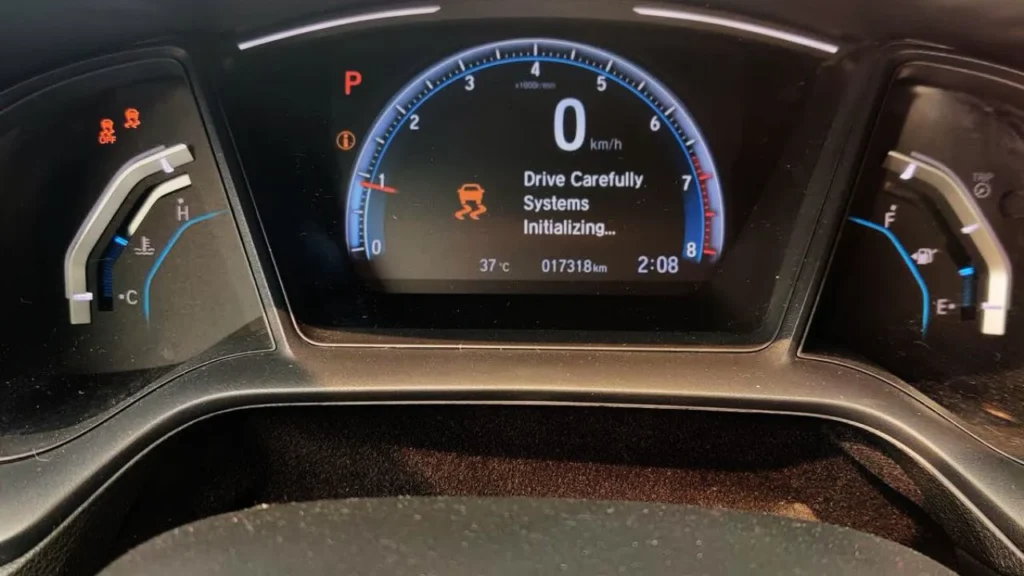
A dead battery is usually the reason, often caused by leaving the lights or electronics on. Batteries last about 3 to 5 years, so an older battery may need replacing. Extreme weather can also weaken the battery, making it harder to start the car. But don’t worry, jump-starting your Honda Civic is a simple process, and I’m here to walk you through it.
Jump-starting a car isn’t hard once you know the steps. Let’s get that battery back to life!
Technical Considerations When Jump Starting a Honda Civic
Before jump-starting your Honda Civic, it’s important to follow a few technical rules to avoid any accidents or damage to your car’s electronics:
- Battery Type: Always use a car with a 12-volt battery to jump-start your Honda Civic. Anything else can damage your car’s electrical system.
- Correct Cable Connections:
- Attach the red (positive) cable to the positive terminal of the dead battery.
- Attach the black (negative) cable to an unpainted metal surface of your car (not the battery’s negative terminal). This helps prevent sparks and reduces the risk of a battery explosion.
- Extreme Weather: In temperatures below 32°F, your battery may need extra time to charge. Keep the engine running for at least 20 minutes after starting the car to help fully recharge the battery.
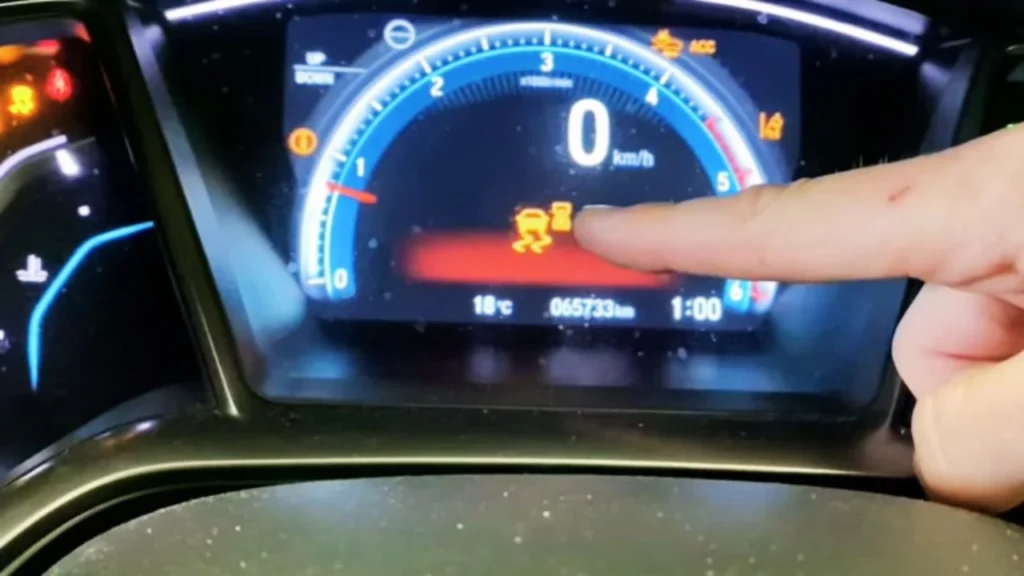
- Check Dashboard: After your car starts, pay attention to any warning lights. If the check engine light or other indicators stay on, there could be additional electrical issues that may require professional help.
Tools You Need to Jump Start
Before you start, make sure you have the right tools. I’ve had to jump-start my car a couple of times, and these tools make the process smooth.
- Jumper Cables: Get cables at least 10 feet long and 6-gauge or thicker.
- 12-Volt Battery: Use another car with a fully charged 12-volt battery.
- Portable Jump Starter (Optional): A convenient backup if another car isn’t available.
- Safety Gear: Wear gloves and goggles for protection. Use a wire brush to clean corroded terminals.
2 Methods Of How to Jump Start Your Honda Civic| Step-by-Step Guide
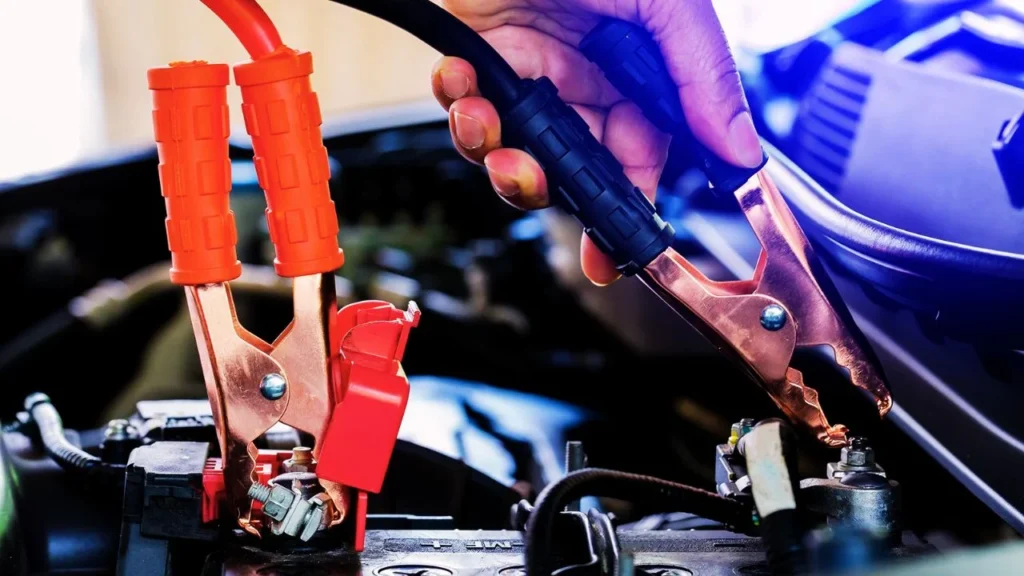
There are 2 methods by which you can jump start your Honda Civic, and you’ll be back on the road in no time. I’ve used this process myself, and it works like a charm!
Method 1: Using Jumper Cables| Step-by-Step Guide
Step 1: Position the Cars
Park the car with the good battery close enough so that the jumper cables can easily reach both vehicles. Make sure both cars are turned off and that their parking brakes are engaged to prevent any movement. Always ensure there is enough room to move between both vehicles safely.
Step 2: Connect the Jumper Cables
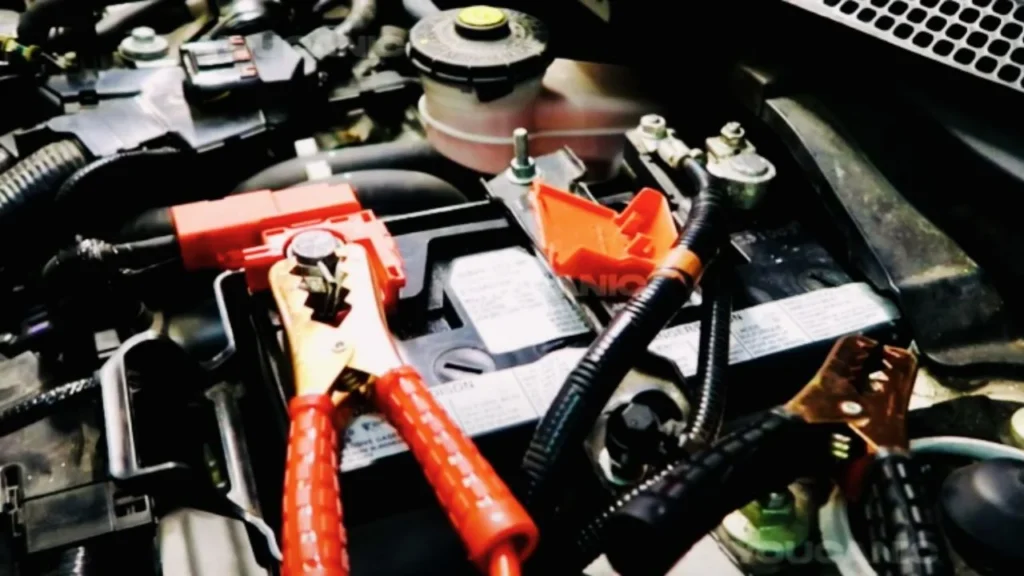
- Attach the red (positive) cable to the positive terminal on the dead battery.
- Then, connect the other end of the red cable to the positive terminal on the good battery.
- After that, connect the black (negative) cable to the negative terminal of the working battery.
- Finally, attach the other end of the black cable to an unpainted metal surface on your Civic, away from the battery. This reduces the chance of sparks or a battery explosion. Make sure all connections are secure and the cables are not dangling.
Step 3: Start the Engines
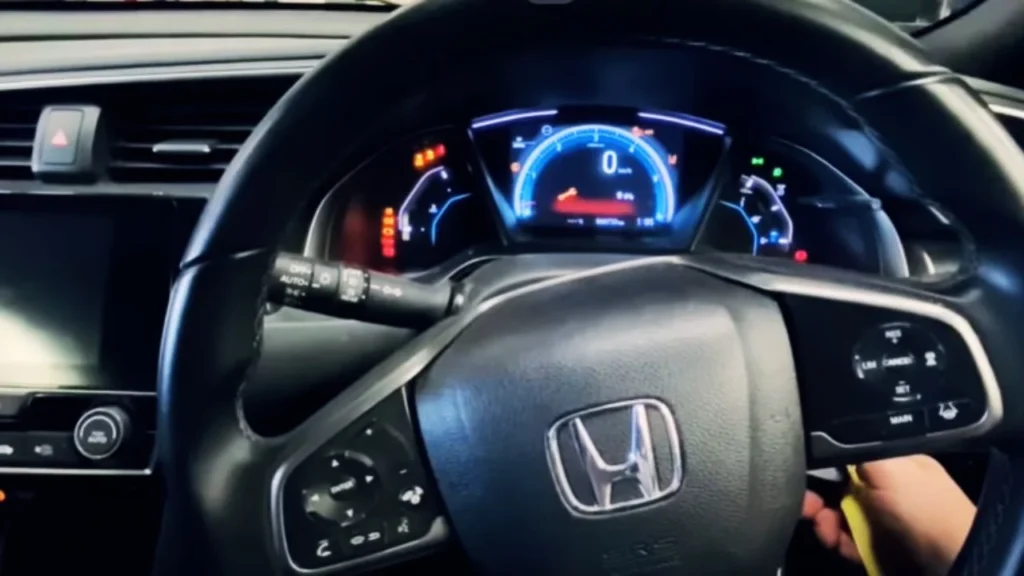
Start the car with the good battery first, and let it run for 2-3 minutes. Then, try starting your Honda Civic. If your Civic doesn’t start right away, wait another minute and try again. Sometimes it needs a bit more time to charge.
Step 4: Remove the Jumper Cables in Reverse Order
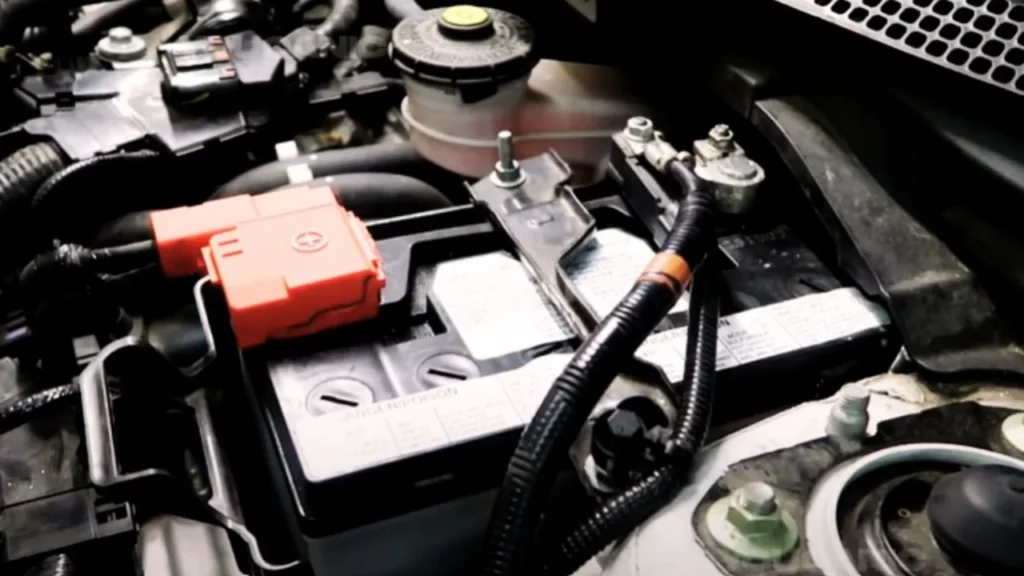
Once your Honda Civic starts, carefully remove the cables in the reverse order. First, remove the black cable from your Civic, then from the assisting car. Then, remove the red cable from both vehicles. Make sure not to let the cable ends touch each other or any metal parts while removing them.
Step 5: Let the Car Run
Keep your Civic running for at least 15-20 minutes to allow the battery to fully recharge. If possible, take your car for a short drive to ensure the battery has enough power to start again later. This extra time will help prevent another dead battery situation.
Method 2: Using a Portable Jump Starter
If you have a portable jump starter, but don’t know how to jump start a honda civic with portable jump starter, here’s cover for you.
Step 1: Prepare the Portable Jump Starter
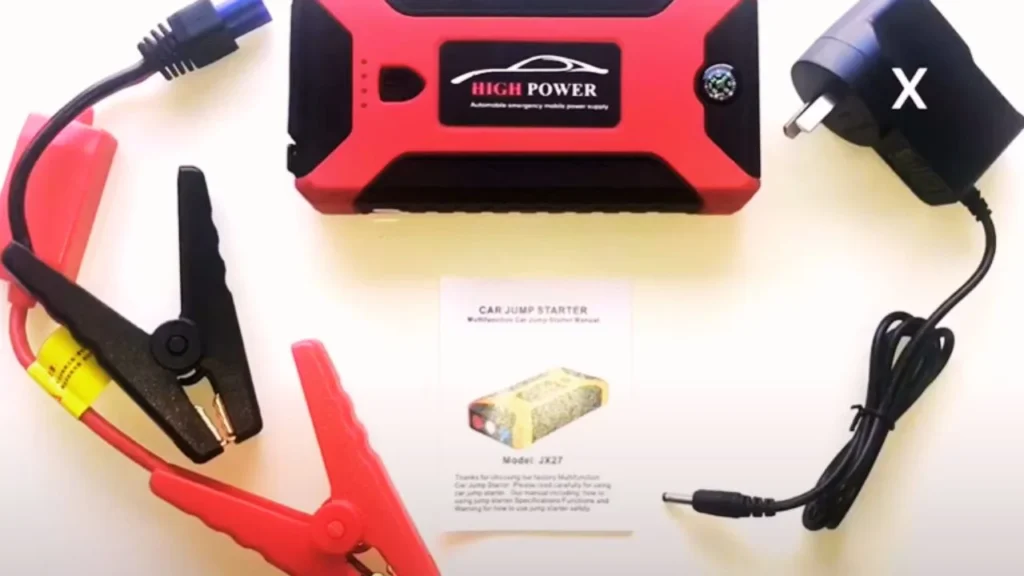
Ensure your portable jump starter is fully charged before using it. Place the jump starter close enough to your Honda Civic so the cables can reach the battery.
Step 2: Connect the Cables
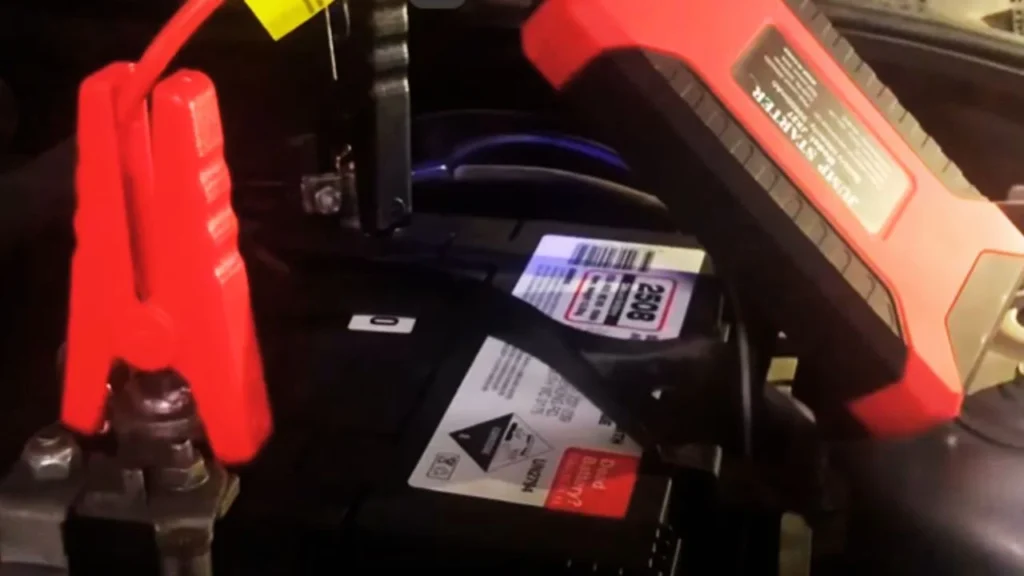
- Attach the red (positive) clamp to the positive terminal of your Civic’s dead battery.
- Attach the black (negative) clamp to an unpainted metal surface on your car’s chassis, away from the battery.
Step 3: Turn on the Jump Starter
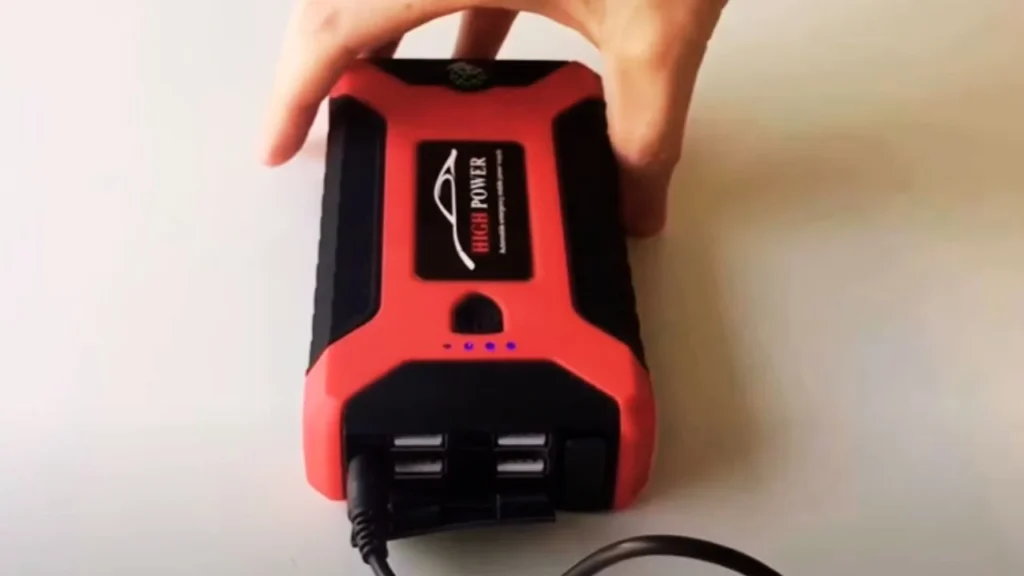
Once the clamps are connected, turn on the portable jump starter. Wait for the indicator (usually a light or beep) that shows it’s ready.
Step 4: Start Your Car
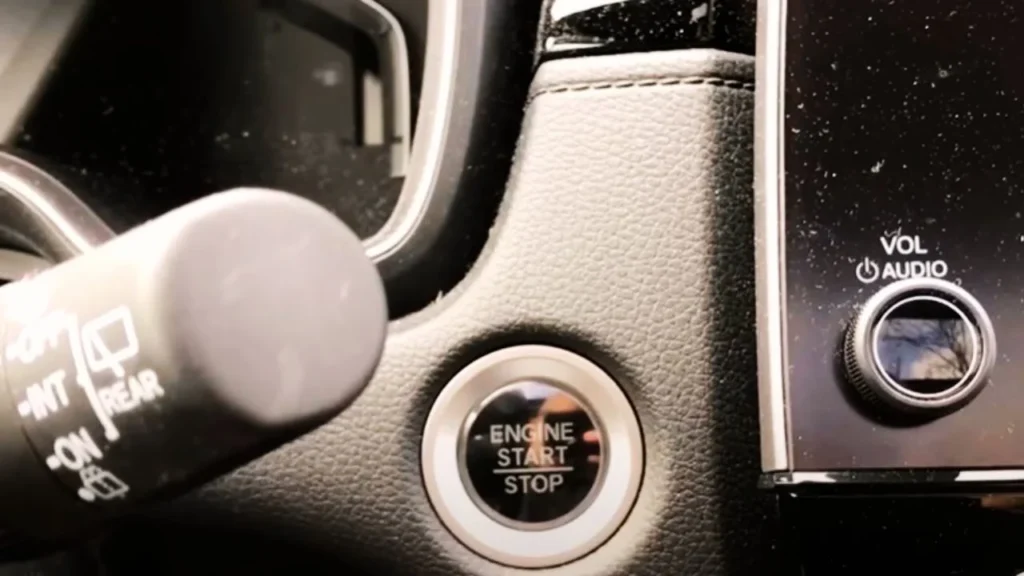
Try starting your Honda Civic. If it doesn’t start immediately, wait a few moments before trying again. Most portable jump starters will allow a few attempts.
Step 5: Disconnect the Jump Starter
Once your car starts, turn off the jump starter and remove the clamps, starting with the black (negative) clamp and then the red (positive) clamp.
Step 6: Let the Car Run
Let your car run for at least 15-20 minutes or take it for a short drive to recharge the battery.
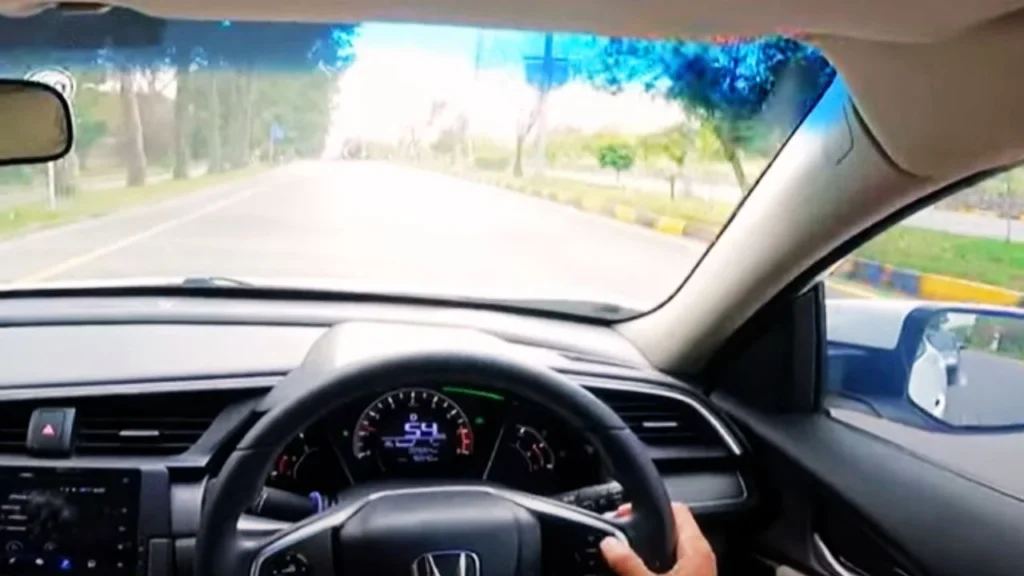
If you don’t know how to jump start a Honda Civic, follow these simple methods to get back on the road quickly. By carefully following these steps, you can safely and efficiently jump-start your car without any hassle.


What to Do After Jump Starting Your Honda Civic
Once you’ve successfully jump started your Honda Civic, follow these steps:
- Let the car run for 15-20 minutes: This gives the alternator enough time to recharge the battery. If possible, take the car for a short drive.
- Turn off extra electronics: Turn off things like the radio, air conditioning, and headlights to help the battery focus on recharging.
- Watch for warning lights: Pay attention to the dashboard. If the check engine light or battery light comes on.
- Get the battery tested: If your battery is 3 years old or more, it’s smart to have it checked by a professional to see if it needs replacing.
Common Problems and Troubleshooting After Jump Starting
Sometimes, even after you jump start your Honda Civic, things don’t go as smoothly as expected. Here are some common issues and what you can do about them:
- Car won’t start: If your Civic doesn’t start after a few tries, check if the jumper cables are connected properly. Make sure the clamps have a solid connection with clean, metal surfaces. A poor connection can prevent the battery from charging.
- Clicking noise when turning the key: This usually means the battery still doesn’t have enough power. Let the car with the good battery run for an additional 3-5 minutes and try again. If it still doesn’t start, you may need a new battery or there could be an issue with the starter.
- Car starts, but dashboard lights stay on: If the battery light or check engine light stays on after the car starts, there might be a deeper issue with the alternator or electrical system. It’s best to have your Civic checked by a professional mechanic to avoid bigger problems down the road.
By troubleshooting these issues, you’ll have a better idea if it’s just a temporary problem or something that needs professional attention.
Proactive Battery Safety Guidelines
Taking care of your Honda Civic battery can prevent frustrating situations, like a dead battery in the middle of your day. Here are some simple safety tips I’ve learned over the years that can help extend your battery life and keep it running smoothly.
- Check your battery regularly: Every 3-6 months, make sure to inspect your battery for corrosion or loose connections. You can clean the terminals using a wire brush and a mixture of water and baking soda. Keeping the battery clean ensures it works more efficiently.
- Avoid short trips: Short trips (less than 15 minutes) don’t give your battery enough time to fully charge, especially in colder weather. If possible, try to drive your car for longer stretches to keep the battery healthy.
- Turn off electronics when not in use: Make sure to turn off your headlights, radio, and other accessories when the car is off. These can drain the battery quickly if left on, especially in modern cars.
- Battery replacement: If your battery is more than 3 years old, start thinking about a replacement. Even if it seems fine now, battery performance naturally declines with time, and this can leave you stranded when you least expect it.
Following these simple steps can save you from the hassle of a dead battery and keep your Honda Civic running reliably.
Call a Professional
If you notice you didn’t get how to jump start a Honda Civic, even after the method, it’s best to get help from a professional. A mechanic can test your battery and the electrical system to find any hidden issues.
This can save you from an unexpected breakdown and ensure your car stays reliable. Don’t wait for the battery to completely fail—getting it checked early can save you time and money in the long run.
Final Words on How to Jump Start Your Honda Civic?
How to jump start a Honda Civic seems easy when you follow the right steps and use the proper tools, such as jumper cables or a portable jump starter. Regular battery maintenance can prevent most issues, and don’t hesitate to call a professional when needed. Staying proactive ensures your Honda Civic keeps running smoothly.
FAQ’s about How to Jump Start Your Honda Civic?
1. How long should I leave my Honda Civic running after a jump start?
After you jump start your Honda Civic, it’s recommended to let the car run for at least 15-20 minutes or take it for a short drive.
2. What if my Honda Civic won’t start after jumping?
If your Civic still won’t start after several attempts, double-check the jumper cables for secure connections.
3. Can jump-starting damage my Honda Civic’s electronics?
It’s possible if done incorrectly. Always connect the jumper cables in the right order and avoid letting the clamps touch other metal parts.