

Many electrical engineers like me usually face the issues of battery testing, especially when there is no multimeter. So, what to do when there’s no multimeter. Well, you should learn about the alternative option at this point. So I’ll show you how to test a motorcycle battery without multimeter.
The motorcycle battery is a crucial component, ensuring your bike starts and runs smoothly. Regular testing and maintenance can prevent unexpected breakdowns and prolong the life of your battery.
A Quick Look
Quick Fix:
When faced with testing a motorcycle battery without a multimeter, start by visually inspecting the battery for corrosion, cracks, or leaks. Next, perform a headlight test by observing brightness when the motorcycle is off. Alternatively, use a 12V light bulb to check the battery’s charge—if it glows brightly, the battery is likely in good condition.
NOCO Boost Plus GB40
⭐ 4.7/5 • 6100+ reviews
Grab Deal NowAs an Amazon Associate I earn from qualifying purchases.
Can You Easily Test a Motorcycle Battery without Multimeter?
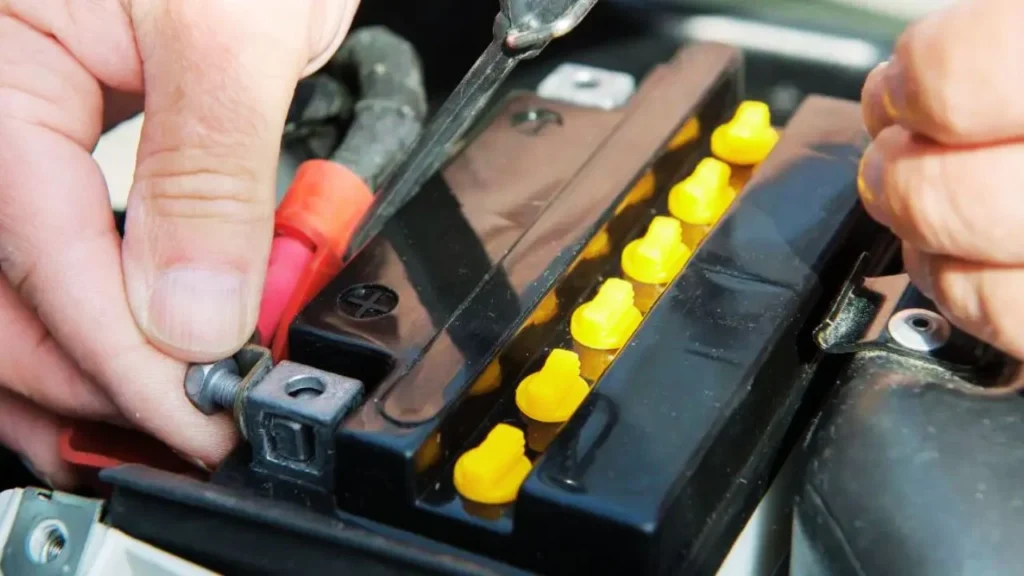
Yes, you can test a motorcycle battery without a multimeter using several methods. A common approach is the visual inspection, where you check for corrosion, cracks, leaks, or bulges on the battery casing. Additionally, ensure the terminals are clean and securely connected.
Another method involves using a 12V light bulb: connect it to the battery terminals—if the bulb glows brightly, the battery is likely in good condition; if dim, the battery might be undercharged or failing. Lastly, turning on your motorcycle’s headlamp and observing the brightness can indicate battery health.
What Tools and Preparation Do You Need?
Safety is paramount when handling batteries. Work in a well-ventilated area, avoid open flames, and wear protective gear. Ensure your workspace is clean and dry to prevent any accidents. If you want to use multimeter, ensure you’re never stranded with a dead battery. Additionally, investing in the best jumpstarter for motorcycles can provide peace of mind and quick solutions in emergency situations.
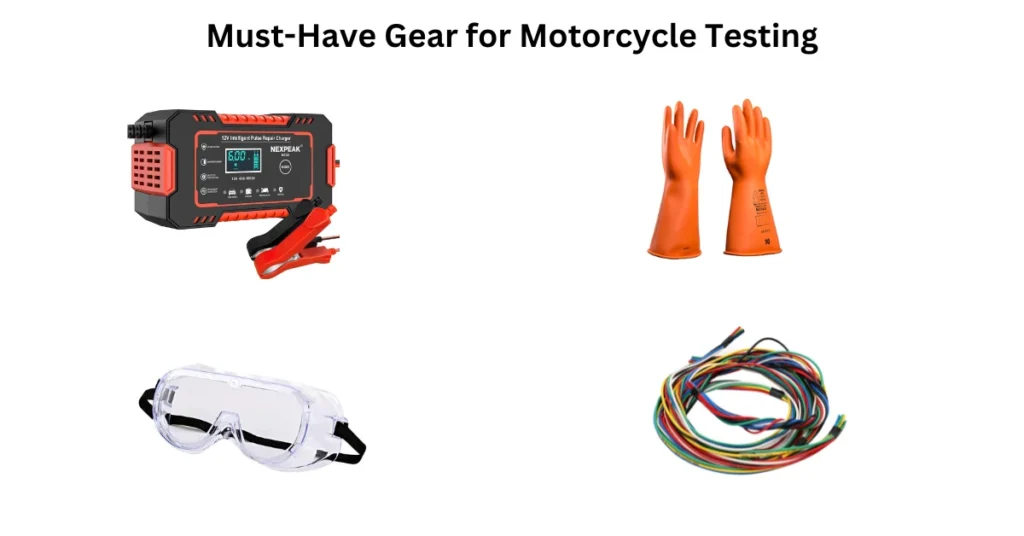
Before diving into the testing process, gather the necessary tools:
- Trickle Charger: For charging the battery.
- Safety Gear: Gloves and goggles to protect yourself from acid spills.
Understand the Battery Basics First!
Motorcycle batteries come in various types, such as lead-acid, AGM (Absorbent Glass Mat), and lithium-ion. Each type has specific characteristics and maintenance requirements. Understanding the basics of how your motorcycle battery works and recognizing common signs of a failing battery will help you interpret your test results more effectively.
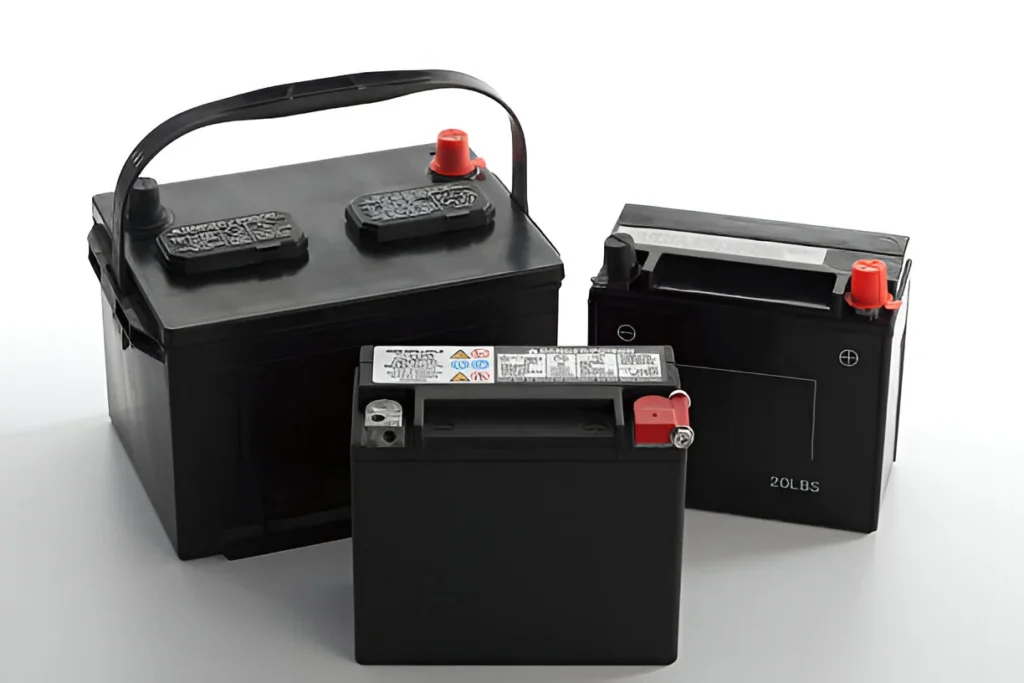
- Lead-Acid Batteries: These are the most common motorcycle batteries. They contain lead plates and an electrolyte solution of sulfuric acid.
- AGM Batteries: These are sealed lead-acid batteries with the electrolyte absorbed in glass mats, making them more resistant to vibration and leakage.
- Lithium-Ion Batteries: These are lighter and have a higher energy density, but they require special chargers and maintenance procedures.
What Are the Common Signs of a Failing Battery?
Common signs of a failing battery include:
- Dim Headlights: If your headlights appear dimmer than usual, it could be a sign of a weak battery.
- Slow Engine Cranking: If the engine takes longer to start or cranks slowly, the battery may be losing its charge.
- Frequent Jump-Starts: If you find yourself needing to jump-start your motorcycle often, it’s a clear indication that the battery is not holding a charge properly.
Step-By-Step Guide to Test a Motorcycle Battery without Multimeter
Testing motorcycle battery without multimeter might seem challenging, but it can be done using several straightforward methods. This guide will walk you through the process step-by-step, ensuring even beginners can follow along. Here’s how to test a motorcycle battery without multimeter:
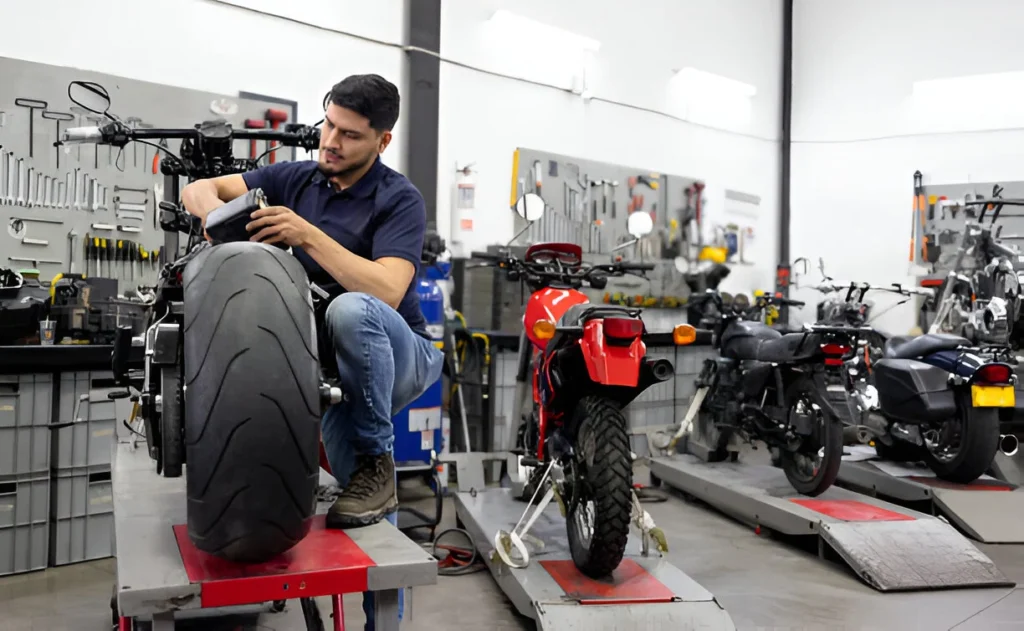
Step 1: Visual Inspection of Motorcycle Battery
Corrosion on battery terminals can hinder the flow of electricity and affect the battery’s performance. Look for white, powdery deposits on the terminals. If you find any, it’s a sign of corrosion.
- Clean the terminals with a mixture of baking soda and water. Use a brush to scrub away the corrosion and dry the terminals thoroughly.
- Some motorcycle batteries have removable caps that allow you to check the electrolyte levels inside.
- Ensure the fluid covers the plates adequately. Low fluid levels can lead to improper battery functioning. If the fluid is low, top it up with distilled water. Do not overfill.
- Look for any visible signs of damage like cracks, leaks, or bulges on the battery case. These issues indicate the battery may need to be replaced. Replace the battery if you notice any significant physical damage.
- Most motorcycle batteries last between 3 to 5 years. If your battery is within this age range and showing signs of wear, it might be time to replace it. Consider the age of your battery when evaluating its performance.
Ensure the battery terminals are clean and securely connected. Loose or dirty terminals can cause a voltage drop. Tighten loose terminals and clean them as needed.
Step 2: Headlight Test
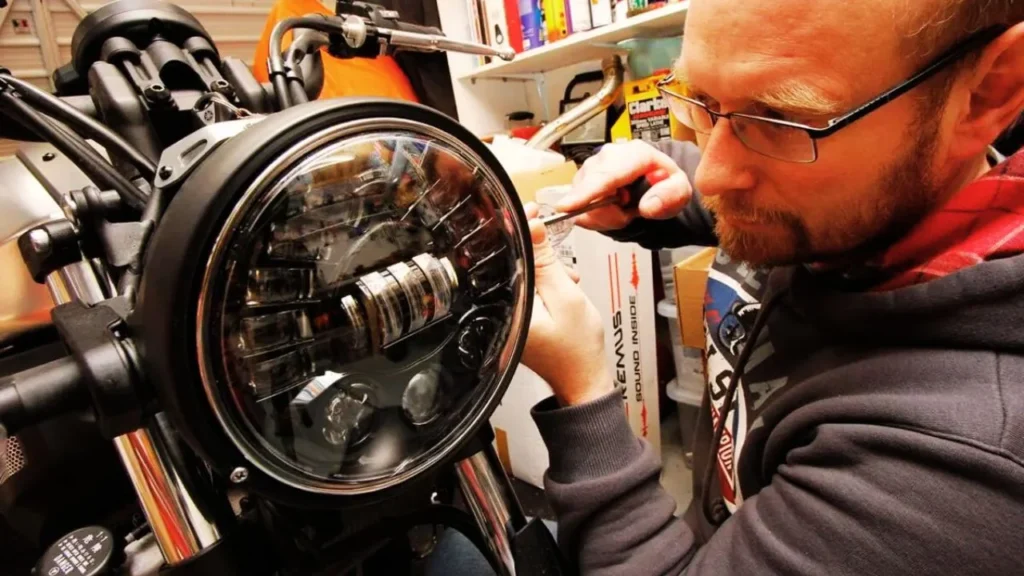
The headlight test is a simple way to check if your battery has enough power. With the motorcycle off, turn on the headlights. Observe the brightness of the headlights.
Dim headlights can indicate a weak or dying battery, while bright headlights usually mean the battery is in good condition. If the headlights are dim, consider charging the battery or checking it further using other methods.
Step 3: 12V Light Bulb Test
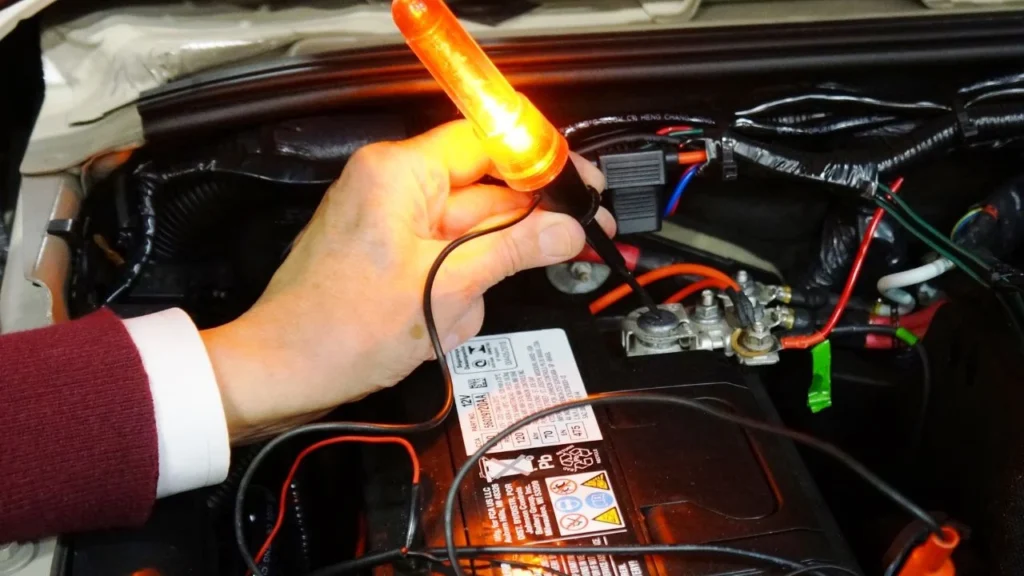
A 12V light bulb can be used to test the battery’s charge. Attach the light bulb to the battery terminals using wires. Ensure a secure connection to avoid short circuits.
If the light bulb glows brightly, the battery is likely in good condition. If the light is dim, the battery may be undercharged or failing. Charge the battery and test it again if the light is dim.
Different battery percentage level shows different voltage levels, here are the values:
Step 4: Functional Tests
The cranking test involves starting your motorcycle and observing the behavior of the starter. Listen for slow cranking or difficulty starting the engine. Slow cranking usually indicates a weak battery.
Using a battery load tester, you can check how the battery performs under a load. Connect the load tester to the battery terminals and follow the manufacturer’s instructions to apply a load. Observe if the battery maintains its voltage under load. The kiad test can help you choose the outcome:
Step 5: Electrolyte Check
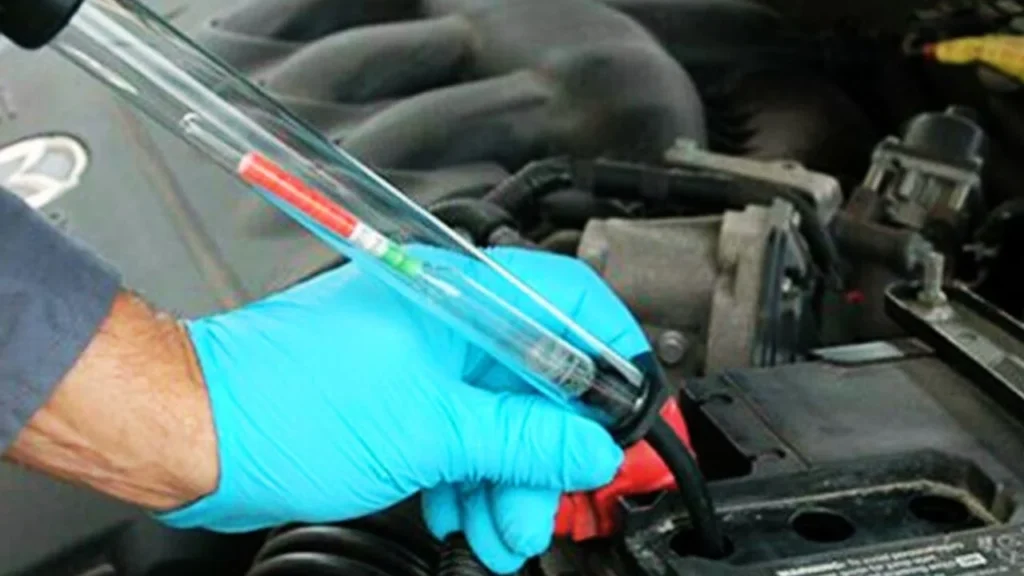
For batteries with accessible cells, you can check the specific gravity of the electrolyte. A hydrometer measures the specific gravity of the battery’s electrolyte. Insert the hydrometer into each cell and draw out some fluid to measure the specific gravity. Healthy cells typically have a specific gravity between 1.255 and 1.275.
Cells with significantly different specific gravity readings may indicate a failing battery. If the specific gravity is consistently low across all cells, consider replacing the battery.
Regular Tips
- Routine Checks: Regularly inspect your battery for signs of wear, corrosion, and fluid levels.
- Keep Terminals Clean: Clean battery terminals periodically to prevent corrosion.
- Proper Storage: When storing your motorcycle, disconnect the battery to prevent it from draining.
By following these steps, you can effectively test your motorcycle battery without a multimeter. Regular inspections and maintenance can help extend the life of your battery and ensure reliable performance. If you encounter persistent issues, it may be time to invest in a new battery or consult a professional for further diagnostics.
Safety Guide for Battery Maintenance
To extend the life of your motorcycle battery and ensure it stays in good condition, consider these advanced maintenance tips:
I. Preventing Sulfation
Sulfation occurs when sulfur crystals form on the lead plates inside the battery, reducing its capacity and efficiency. To prevent sulfation:
- Regular Use: Use your motorcycle regularly to keep the battery charged.
- Desulfating Chargers: Invest in a desulfating charger that can help reverse sulfation.
II. Regular Maintenance Practices
Maintaining your battery regularly can prevent many common issues:
- Clean Terminals: Keep the battery terminals clean and free of corrosion. Use a wire brush and a mixture of baking soda and water to clean the terminals.
- Secure Mounting: Ensure the battery is securely mounted to prevent vibrations that can damage the internal components.
- Regular Charging: Use a trickle charger if your motorcycle is stored for long periods. This keeps the battery charged and prevents sulfation.
III. Proper Storage
If you’re storing your motorcycle for an extended period, follow these tips:
- Remove the Battery: If possible, remove the battery and store it in a cool, dry place.
- Trickle Charger: Keep the battery on a trickle charger to maintain its charge.
How to Troubleshoot Common Issues with Motorcycle Battery?
Despite regular maintenance, you might still encounter some common battery issues. Here’s how to troubleshoot them:
1. Poor Connections
Loose or corroded connections can prevent the battery from delivering power efficiently. Regularly check and tighten the connections. Clean any corrosion with a wire brush and a mixture of baking soda and water.
2. Corroded Terminals
Corrosion on the battery terminals can interfere with the electrical connection. Clean the terminals regularly and apply a thin layer of petroleum jelly to prevent future corrosion.
3. Faulty Chargers
Using a faulty charger can damage your battery. Ensure your charger is in good working condition and suitable for your battery type. If the charger is old or damaged, replace it.
4. When to Seek Professional Help
If you’re unable to resolve battery issues on your own, it might be time to seek professional help. A mechanic can perform a more detailed diagnosis and recommend the best course of action.
By adhering to these steps and tips, you’ll ensure your motorcycle battery remains healthy, providing you with reliable starts and performance. Regular maintenance not only extends the battery’s life but also enhances your overall riding experience. Stay proactive with your battery care, and you’ll minimize the risk of being stranded with a dead battery.
Conclusion
Regular testing a motorcycle battery without multimeter and maintenance of your motorcycle battery can save you from unexpected failures and extend its lifespan. By following this guide, even beginners can confidently test and maintain their motorcycle batteries, ensuring their bikes are always ready for the road. Hope you know how to test a motorcycle battery without multimeter.
Remember to gather the necessary tools, understand the battery basics, follow the step-by-step testing process, interpret the results accurately, and apply advanced maintenance tips. With these practices, you can keep your motorcycle battery in top condition and enjoy a smooth, reliable ride.
FAQs
1. Can I Check My Motorcycle Battery Health Without a Multimeter?
Yes, you can! While a multimeter gives precise readings, you can still check for signs of battery trouble. If your bike struggles to start, the lights are dim, or the horn sounds weak, these are often signs that your battery needs attention. From my experience, these clues usually point to the need for a recharge or replacement.
2. What’s the Easiest Way to Tell If My Motorcycle Battery Is Dead?
If your bike won’t start or the lights are faint, it’s a clear sign that the battery could be dead. A quick test is to check the headlight. If it’s dim or flickering, it means the battery isn’t holding enough charge. I also listen for a clicking sound when I try to start the engine, which usually means the battery isn’t strong enough to engage the starter motor.
3. Can I Use a Headlight Brightness Test to Check My Battery?
Absolutely! The headlight test is a simple and effective way to gauge your battery’s health. Turn on the bike and observe the headlight. If the light is dim or flickers when you try to start the engine, it’s a sign the battery might be weak and struggling to provide power. I find this test works well in catching battery issues early.
4. How Long Should a Motorcycle Battery Hold Charge Without Riding?
Typically, a motorcycle battery should hold a charge for about 2-4 weeks when not in use. If it drains quicker than that, especially in colder weather, it could indicate an issue with the battery or charging system. If you plan to leave your bike idle for a while, consider using a battery tender or trickle charger to keep it in good condition.