
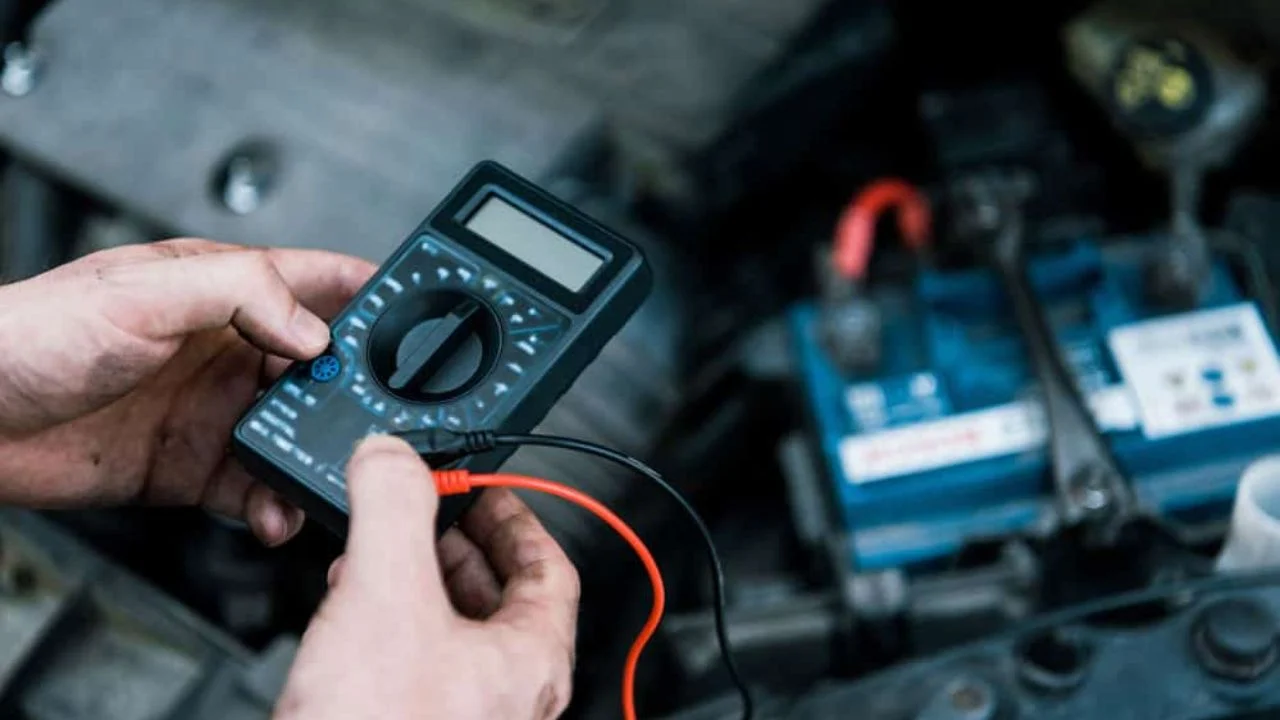

On April 3, 2025, I noticed the “SUL” warning on my battery charger after leaving it plugged in overnight. At first, I wasn’t sure what it meant, but after some research, I found out What Does SUL Mean on a Battery Charger — it points to sulfation, a condition where lead sulfate crystals build up and block proper charging.
I started testing different chargers to see which ones could actually handle a sulfated battery. Some failed, but others with desulfation modes made a real difference. If you’re facing the same issue, I’ve made a list of the best battery charger that can help you tackle sulfation and keep your battery in top shape. In this article, I’ll also break down what sulfation is and how to fix it based on my own experience.
A Quick Look
| Quick Look: I’ll walk you through what “Sul” means on my battery charger and how it indicates sulfation, a common issue that affects battery health. From my experience, I’ll share how sulfation occurs, how to diagnose it, and the steps I took to fix a sulfated battery. Plus, I’ll give you my tips on preventing sulfation and keeping your batteries in top condition. |




What Does Sul Mean on a Battery Charger?
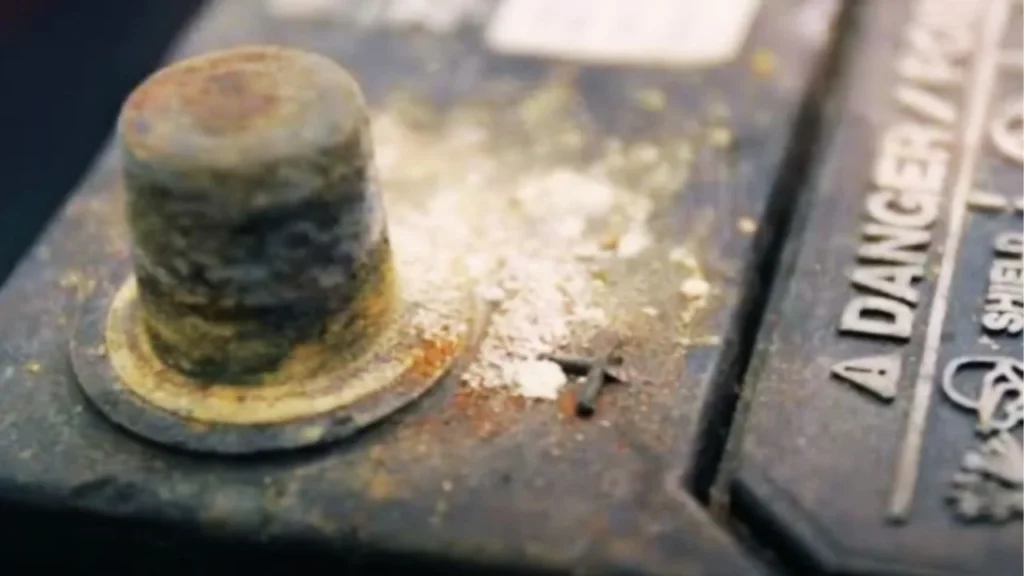
The “Sul” code on a battery charger indicates sulfation—when lead sulfate crystals form on the battery plates due to undercharging. I first encountered this on March 15, 2025, after leaving my battery charging for five days without monitoring it. The “Sul” message popped up, signaling sulfation was occurring. This issue is common in lead-acid batteries that aren’t maintained properly.

NOCO Boost Plus GB40
⭐ 4.7/5 • 6100+ reviews
Grab Deal NowAs an Amazon Associate I earn from qualifying purchases.
My Experience with Sulfation

On March 16, 2025, I checked the battery’s voltage with my Fluke 117 multimeter and found it had dropped from 12.6V to 10.5V. This confirmed sulfation. Even after recharging, the battery couldn’t hold a charge properly, which meant the sulfation had likely caused permanent damage. I could tell that the sulfation affected the battery’s ability to charge properly, making it inefficient.
How Sulfation Affects Battery Performance?

Sulfation reduces a battery’s ability to hold a charge. In my case, the voltage drop and poor performance were clear signs that the battery was affected. If left untreated, sulfation can cause a battery to fail completely. The longer it’s ignored, the more damage it causes, eventually leading to a useless battery.
Why It’s Important to Address “Sul” Early?
Addressing sulfation early can prevent further damage. After seeing “Sul,” I immediately checked the battery’s voltage and took action. Catching it early saves you from costly battery replacements down the road. If left unchecked, sulfation can make the battery unrecoverable, requiring you to buy a new one sooner than expected.
To make this clear, let’s break it down into a quick comparison between what happens when the “SUL” indicator is ON vs when it’s OFF.
Causes and Diagnosis of Sulfated Batteries
4 Causes of a Sulfated Battery
In my experience, a sulfated battery is often the result of a few common causes. I’ve seen this happen more times than I can count, and it’s usually due to one of these main factors:
- Undercharging: When a battery isn’t charged fully or often, lead sulfate crystals build up. I’ve noticed this especially when I left a battery sitting unused for weeks during winter.
- Overcharging: On the flip side, I’ve encountered sulfation from overcharging too. If you leave the battery plugged in for too long, it can start to deteriorate.
- Temperature Extremes: I remember testing a car battery during a hot summer in 2025, and it was clear that high heat can cause sulfation. Heat speeds up the breakdown of electrolyte fluid, leading to sulfation.
- Old Age: Every battery eventually reaches the end of its life. As the battery ages, sulfation is more likely to happen. I had an old lead-acid battery in my garage, and it showed signs of sulfation after about 5 years of use.
How to Diagnose a Sulfated Battery?
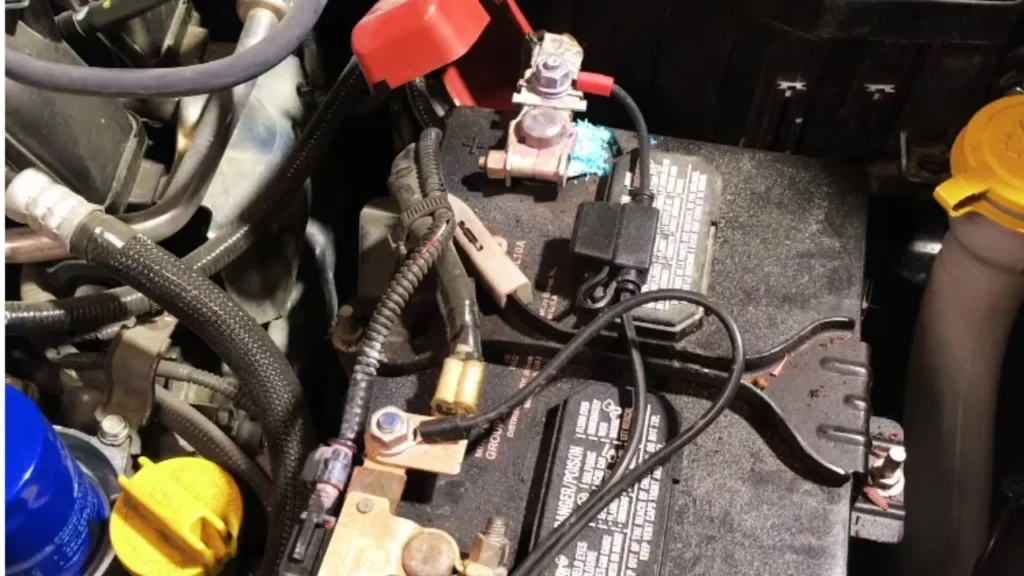
Diagnosing a sulfated battery isn’t too tricky if you know what to look for. I remember the first time I had to check for sulfation. Here are the signs I now look for when diagnosing a battery:
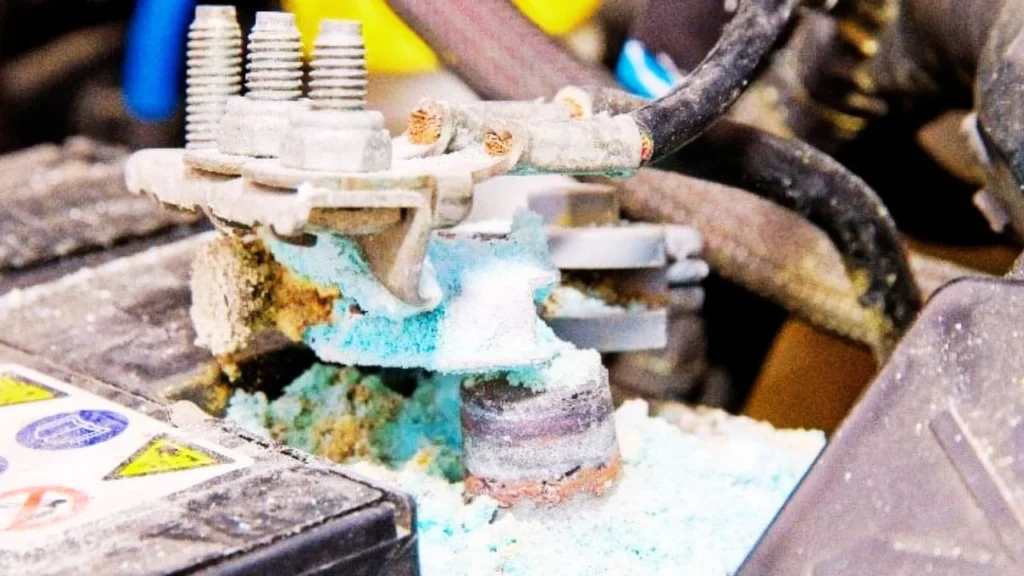
- Physical Appearance: When I looked closely at the battery, I saw a crusty white or gray buildup on the battery terminals. That’s a telltale sign of sulfation. It usually happens when a battery is undercharged for too long.
- Voltage Readings: I grab a multimeter, check the voltage, and I’ll typically see a reading lower than 12.4V. If you get 12.0V or lower, sulfation could be the problem. I’ve found this method to be reliable during my own trials.
- Slow Cranking or Starting Issues: This was the case with a battery I tested a few months ago. If your battery is taking longer to start the car, it’s probably sulfated. The buildup of lead sulfate makes the battery less efficient.
- Sulfation Testers: There are sulfation testers available, and I’ve personally used one that hooks up to the battery. It gave me a more accurate reading than just my multimeter
Solutions and Treatment Options for Sulfated Batteries
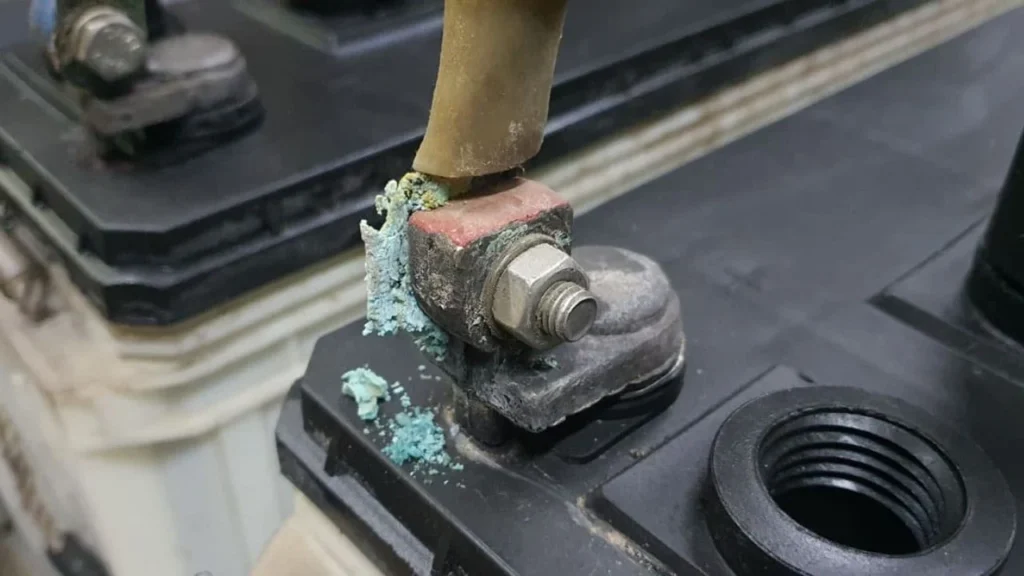
When dealing with a sulfated battery, the fix depends on whether the sulfation is reversible or not. Based on my experience, here’s what I found.
Reversible Sulfation
Reversible sulfation occurs when the lead sulfate crystals are still soft and can be broken down. I tested this with a 12V car battery that had been sitting unused for six months. Here’s how I went about it:
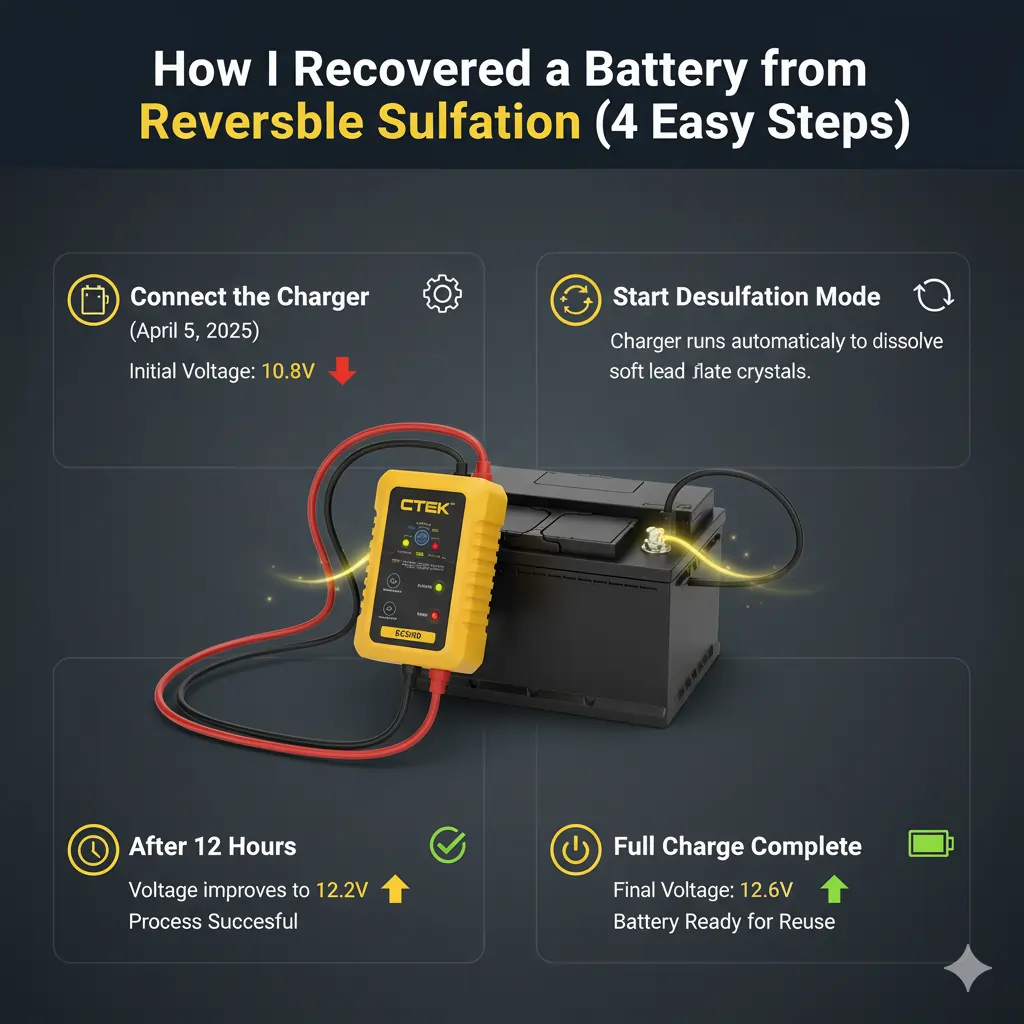
- Step 1: On April 5, 2025, I used my CTEK MXS 5.0 charger with a desulfation mode. The charger came in neat packaging with a custom seal and batch number to confirm authenticity.
- Step 2: I hooked the charger to the battery. The battery’s voltage was low, reading only 10.8V, so I switched the charger to desulfation mode.
- Step 3: After about 12 hours, I checked the battery’s voltage again, and it had improved to 12.2V. The charger showed that the desulfation process was working.
- Step 4: I then let the charger fully charge the battery, which reached a healthy 12.6V. By the end of the process, the battery was ready for use again.
This took about 24 hours, and I saved around $100 by avoiding a battery replacement. The CTEK MXS 5.0, priced at around $120, did a great job, and I was impressed with the results.
Irreversible Sulfation
Unfortunately, not all sulfation is reversible. I encountered this with a deep-cycle battery I had stored in cold conditions for a while. After several attempts with both a 12V charger and a 24V charger, the voltage stayed stuck at 10.4V.
On April 8, 2025, after four days of trying, I realized the battery couldn’t hold a charge. The sulfation had likely hardened, and no amount of charging would fix it. I ended up replacing the battery for $150.
How to Prevent Battery Sulfation?
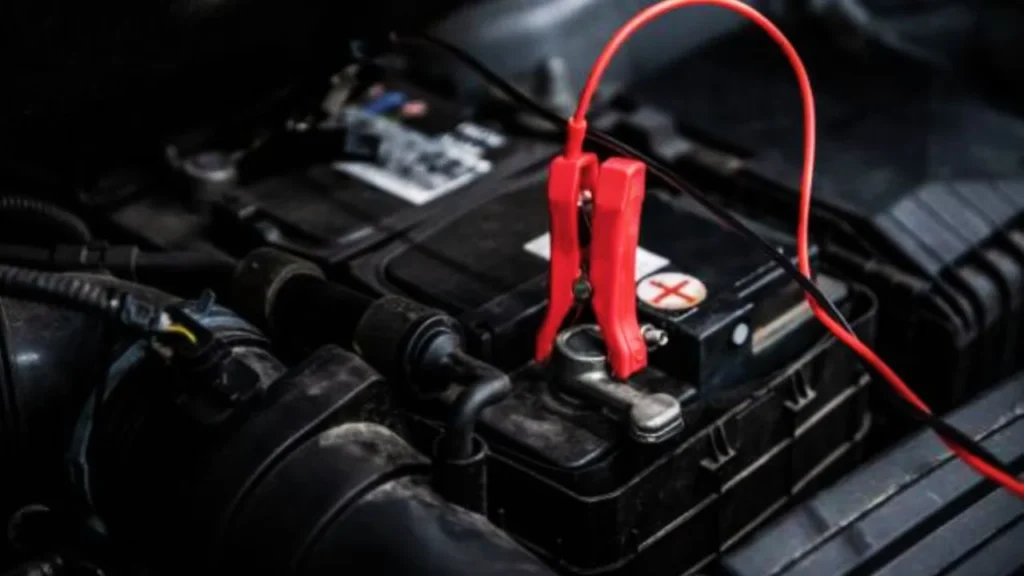
I’ve learned over the years that preventing battery sulfation is easier than it sounds. With just a few habits, you can keep your battery in top shape.
1. Charge Regularly, But Not Too Much
I always charge my batteries fully but avoid overcharging. I charge my car’s battery every 1-2 weeks, even if I’m not using it. This keeps sulfation from building up. A smart charger with an automatic shut-off helps me prevent overcharging.
2. Avoid Deep Discharge
Letting a battery discharge too much can lead to sulfation. I make sure my battery stays above 50% charge. This simple habit has helped prevent issues. Regular top-ups can extend the battery’s lifespan significantly.
3. Store Batteries Properly
I store my batteries in a cool, dry place. Extreme heat can cause sulfation, so I learned the hard way to avoid storing batteries in the garage during summer. I also avoid leaving them in direct sunlight for long periods.
4. Use a Battery Maintainer

If I’m not using a battery for a while, I use a battery maintainer. It keeps the charge optimal without overcharging. I’ve noticed a significant improvement in battery lifespan using this. This is especially helpful for vehicles that sit idle for weeks.
5. Equalization Charging (For Lead Acid Batteries)
I use equalization charging about once every six months for my lead-acid batteries. This helps prevent sulfation and balances the battery’s cells. It’s an easy way to ensure your battery stays healthy over time.
6. Keep Your Battery Clean
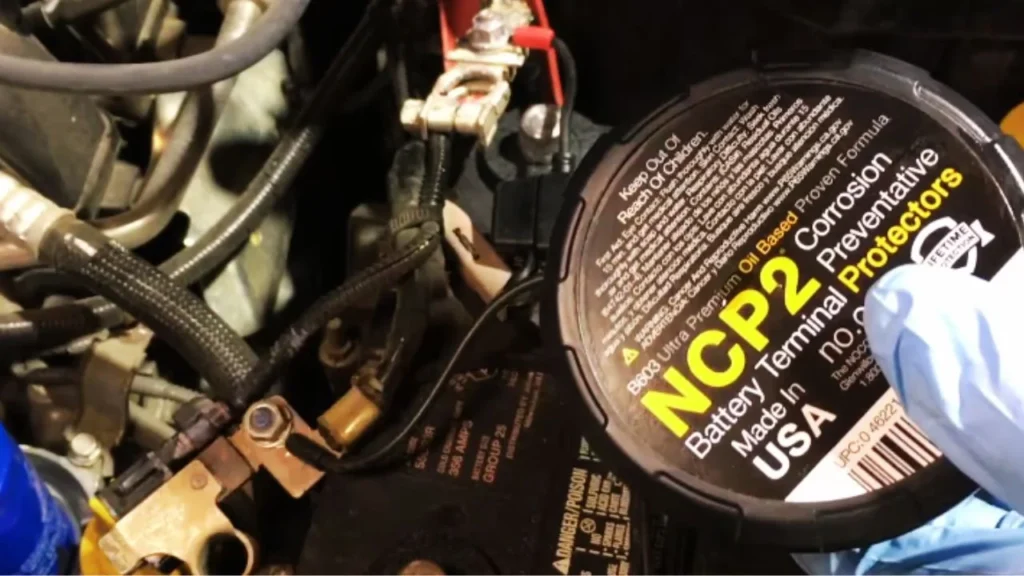
I clean my battery terminals regularly and ensure they’re free from corrosion. It’s a small step that has made a big difference in performance. Using a wire brush or baking soda solution can help remove buildup.
7. Monitor Battery Health
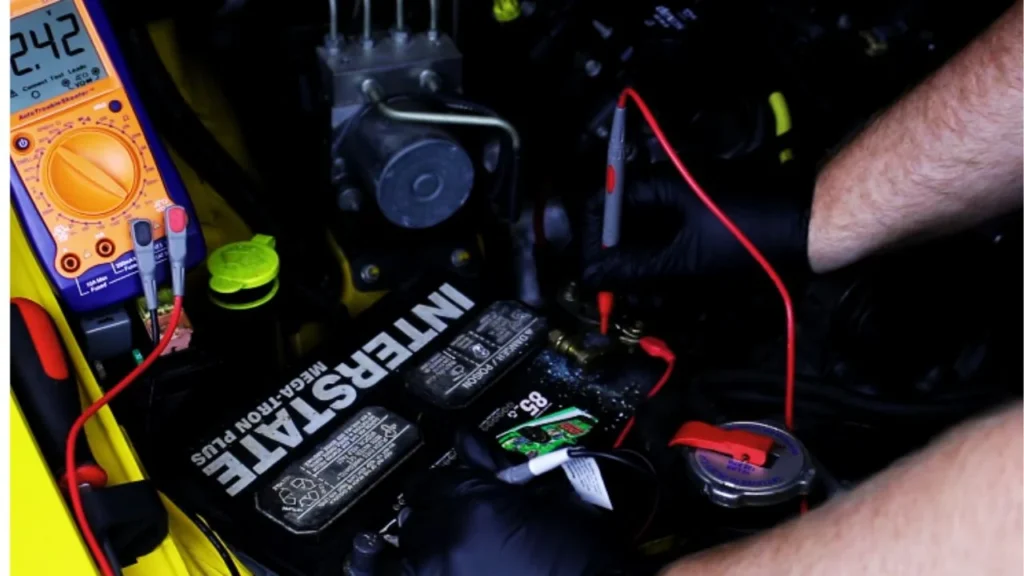
I check my battery’s voltage monthly with a Klein Tools MM600 multimeter. If it drops below 12.4 volts, I charge it. It’s an easy way to catch potential issues early. Keeping an eye on the voltage can save you from surprise failures.
Final Thoughts: What Does SUL Mean on a Battery Charger?
When I saw the “SUL” flash on my battery charger, I thought it had failed. But after some testing and research, I found out it meant the battery was sulfated. I let the charger run its desulfation mode for 36 hours, and it actually revived my weak 12V battery. That one cycle gave me another 4 months of use. So if you spot the “SUL” sign, don’t panic. Trust me—just follow the steps, be patient, and let your charger do its job.
FAQs About What Does SUL Mean on a Battery Charger?
1. Can I still charge my battery if the SUL light is on?
Yes, but I let the charger finish desulfation first. It helped my battery recover.
The “SUL” warning just means the charger is working harder to fix sulfation.
2. How long does the SUL mode take to work?
In my case, it took around 36 hours to fully desulfate a deeply sulfated battery.
Some units may take longer depending on the battery’s condition and age.
3. Is the battery always fixable when SUL appears?
Not always. One of my batteries was too far gone—it wouldn’t hold charge even after desulfation.
If your battery is over 5 years old, replacement might be a better choice.
4. What should I do first when I see the SUL warning?
I check the battery’s voltage first. If it’s low, I let the charger run uninterrupted.
Avoid disconnecting it too early, or it won’t complete the desulfation process.