


If you are looking for how to test refrigerator start relay with multimeter, You’re in the right place. Testing a refrigerator start relay can be tricky. But it’s an important part of diagnosing and repairing your appliance.
A faulty start relay can cause all kinds of problems with the performance and operation of your fridge. Knowing how to test a refrigerator start relay with a multimeter correctly is essential for any DIY appliance repair professional-technician.
A Quick Look
| Quick look: I unplug the fridge, grab my tools, and locate the relay near the compressor. After setting my multimeter to Ohms, I check the resistance. A good relay reads 0–30 Ohms. If it’s out of range, I replace it, secure the wires, and power it back up. Just like that cooling restored. |
Refrigerator Start Relay Testing: Step-by-Step Guide
Steps Of How To Test Refrigerator Start Relay With Multimeter
How a Refrigerator Start Relay Keeps Your Fridge Running Smoothly
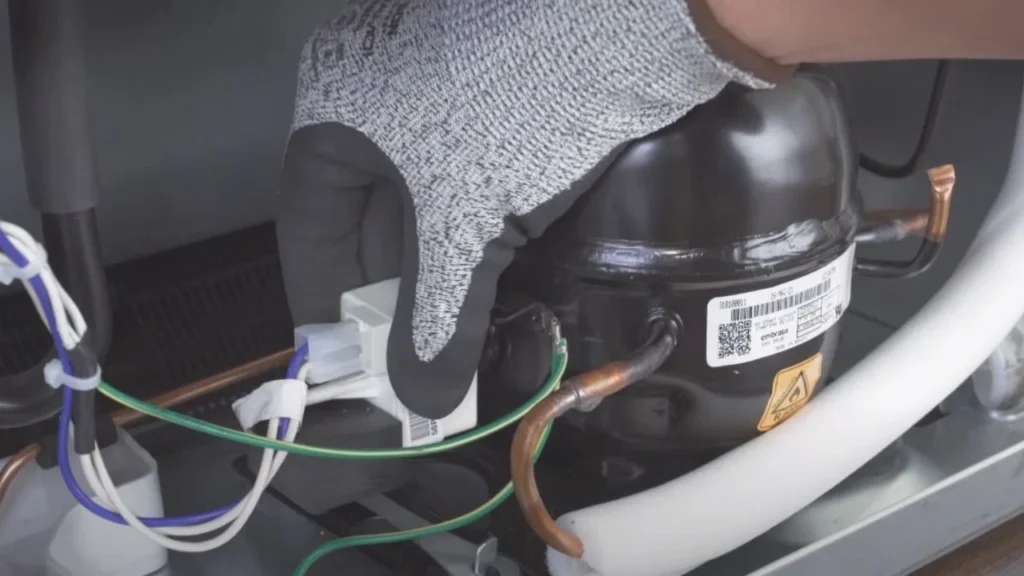
A refrigerator start relay is an important component of your fridge that helps control the compressor motor and initiate the cooling cycle. Without it, your refrigerator won’t be able to keep food cold. It’s important to know how to test the refrigerator start relay with a multimeter to diagnose problems and ensure it’s working properly. You can use tools like the Amprobe AM-500 Multimeter or any other reliable meter that suits your needs.
NOCO Boost Plus GB40
⭐ 4.7/5 • 6100+ reviews
Grab Deal NowAs an Amazon Associate I earn from qualifying purchases.
You must understand the basics of a refrigerator start relay and its function in your appliance. A start relay is designed to provide an extra power surge when the compressor motor turns on. This helps it overcome any resistance as it starts up, reducing strain and extending the motor’s life.


How Can You Tell If a Start Relay in Your Unit is Faulty?
Below are the common indications to help you understand if your relay system is in good working condition or just faulty.
Sign-1: There’s a rattling sound
Sign-2: There’s a click sound
Sign-3: Your unit is not cooling
Select the Right Type of Multimeter for Your Needs

Once you know how a refrigerator start relay works, it’s time to select the right type of multimeter for your needs. Different models are designed to measure different properties such as voltage, current, etc. The UNI-T UT161E Multimeter or any other similar device can help you get accurate readings based on your specific application.
Ensure you have all the necessary tools, materials and safety equipment before starting any testing. So it’s important to select the right type for your needs. If you are unsure which one to choose, consult a professional technician or research online.
Gather Necessary Tools, Materials and Safety Equipment
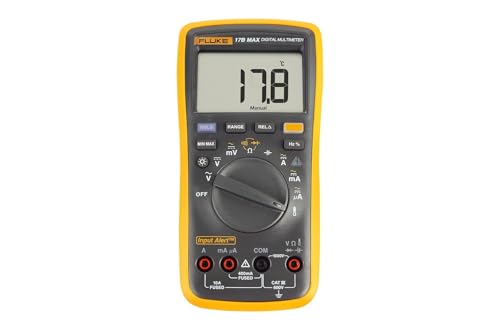
Before beginning any repair work on your refrigerator, wear the appropriate safety gear, such as gloves, goggles, and a face mask. Also, be sure to gather any necessary tools and materials before starting. A reliable tool like the Fluke Multimeter or any other high-quality model can make the diagnostic process safer and more efficient.
You will need:
- A multimeter
- Screwdrivers
- Electrical tape
- Wrenches or pliers (optional)
Identify and Locate the Refrigerator Start Relay in Your Unit
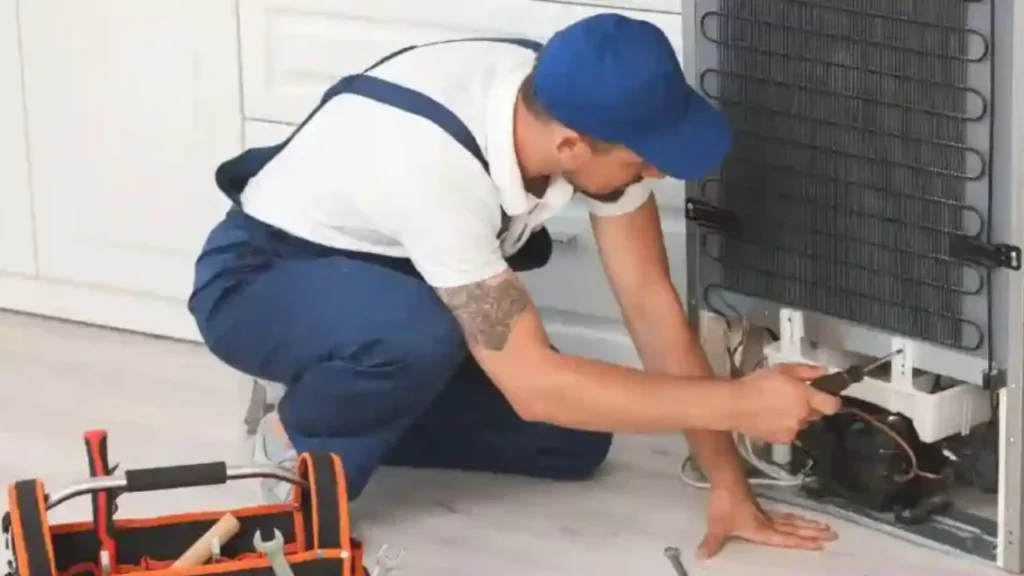
Once you have gathered your tools, materials, and safety equipment, you can begin identifying and locating the refrigerator start relay in your unit. The start relay is generally located near the back or side wall of the fridge. If you’re unsure about how to test a refrigerator start relay with a multimeter, it’s important to understand the proper steps for checking its functionality before moving forward.
Or near where the power cord connects to the appliance. It is a small, rectangular-shaped component with several wires leading to it.
Set Up the Multimeter Correctly to Test the Refrigerator Start Relay

Once you have located the start relay, put on your safety gear and set up the multimeter correctly. Set the multimeter selector switch to “Ohms” to measure resistance.
Then connect the test leads to the appropriate terminals on the start relay (be sure to note which terminal is positive and which is negative).
Test the Refrigerator Start Relay and Document the Results
Now you are ready to begin testing the refrigerator start relay. Turn on your Fluke 15B+ multimeter, then take a reading. The reading should be between 0-30 Ohms. If it is outside of this range, the start relay may need to be replaced.
Once you have taken a reading, document your results in a log book or other record-keeping system for future reference. This will help you track any changes in performance and can prove useful when diagnosing other appliance repair issues, such as how to test a refrigerator start relay with a multimeter. If you’re unsure how to interpret your findings, check the manufacturer’s instructions for further guidance.
Replace the Refrigerator Start Relay if Necessary
If your multimeter reading indicates that the start relay needs to be replaced, you can do so with a few simple steps. Shut off the power to the refrigerator, then remove and replace the faulty component. Be sure to use new electrical tape to connect and secure the wires.
Once the new start relay is installed, turn the power back on and test it with your Fluke 87V Max multimeter. If everything looks good, you can put away your tools and enjoy a cool fridge again.
Safety Instructions
It is important to remember that when working with electrical components, safety must be your top priority. Be sure to wear the appropriate clothing and protective gear and follow all instructions provided in the manual for proper unit maintenance. Never use a multimeter on an energized circuit or attempt any repairs without proper training and experience.
By following these simple steps, you can easily test and replace your refrigerator start relay with Fluke 101 multimeter. With just a little bit of knowledge, you could increase the health of your refrigerator. Also, with the right tools, you can keep your fridge running efficiently for years.
Finally, take extra precautions when working with electrical appliances, as it can be dangerous if not done correctly. You should always disconnect the power from the appliance before you start testing.
Conclusion
How to test refrigerator start relay with a multimeter is an important task for maintaining the overall health of your appliance. With the right tools, materials and safety equipment, you can easily test a refrigerator start relay in a few simple steps. Be sure to document your results and consider replacing the part if necessary.
To ensure that your fridge remains reliable and efficient for years to come. Remember, refrigerator repair should always be left to a professional technician in order to ensure safe, reliable operation if you’re ever unsure about any part of the repair process. Don’t hesitate to seek help from an experienced appliance service provider.
Good luck with your refrigerator.
FAQs
Q1.What is a refrigerator start relay, and why is it important? A refrigerator start relay helps
control the compressor motor by providing a power surge to start the motor. Without it, the fridge won’t be able to cool, leading to potential issues like spoilage and energy inefficiency.
Q2.How do I know if my refrigerator start relay is faulty? Common signs include a rattling or clicking
sound from the compressor, or your refrigerator not cooling properly. Testing the relay with a multimeter can confirm if it’s malfunctioning.
Q3.Can I test the refrigerator start relay myself with a multimeter? Yes, you can. By setting your
multimeter to measure resistance (Ohms), you can check the relay’s condition. A reading between 0-30 Ohms indicates a functioning relay, while higher or lower readings may suggest it needs replacement.
Q4.What should I do if the refrigerator start relay needs to be replaced? If the start relay is faulty,
disconnect the power, remove the old relay, and install a new one. Ensure all connections are secure with electrical tape, then test the new relay to confirm it works properly.