
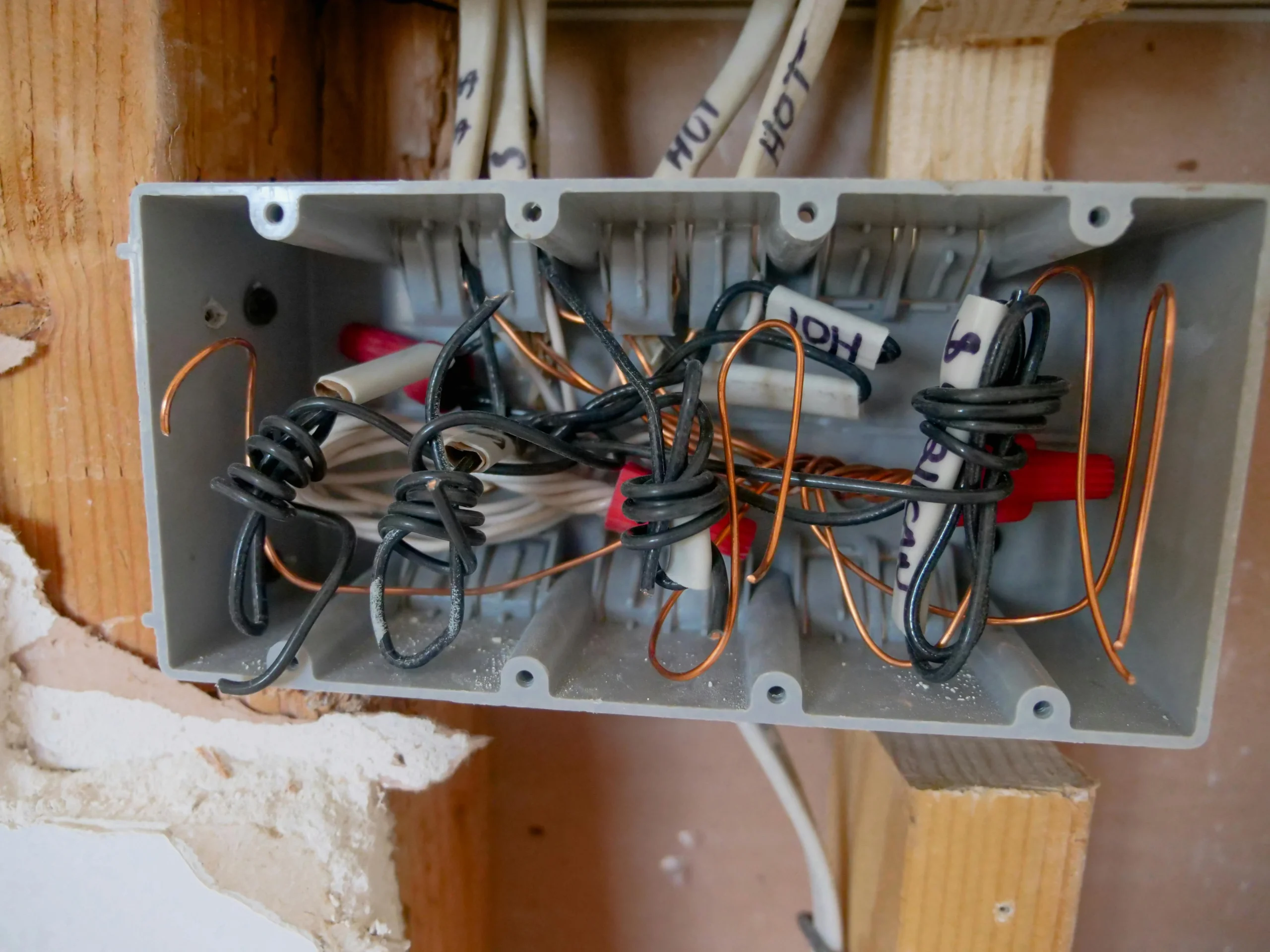

Does a short circuit while fixing switch happen with you? I remember the first time I tried to fix a light switch in my home, thinking it would be a simple DIY task. You can test a switch or circuit breaker by checking for continuity or using basic tools, learn how to test switch or circuit breaker.
A Quick Look
But, to my surprise, it turned out to be much more than just replacing the switch cover.

NOCO Boost Plus GB40
⭐ 4.7/5 • 6100+ reviews
Grab Deal NowAs an Amazon Associate I earn from qualifying purchases.
I made a critical mistake—I forgot to turn off the power! Thankfully, I didn’t experience a short circuit, but the small spark I saw was enough to make me realize how dangerous this job could be if not handled correctly.
If you’re like me, trying to save time and money by doing it yourself, it’s crucial to know how to avoid a short circuit while fixing a switch.
Quick Fix
To quickly fix a switch and avoid a short circuit, first turn off the power at the breaker. Use insulated tools to remove the switch plate and check for exposed or frayed wires. Tighten all connections and ensure no wires are touching. Turn the power back on and test the switch. You can check short circuit without a multimeter by visually inspecting wires or using a battery and bulb.
How Does a Short Circuit Happen?
A short circuit happens when the electrical current flows through an unintended path, which could cause sparks, fires, and potentially severe damage to your home’s electrical system.
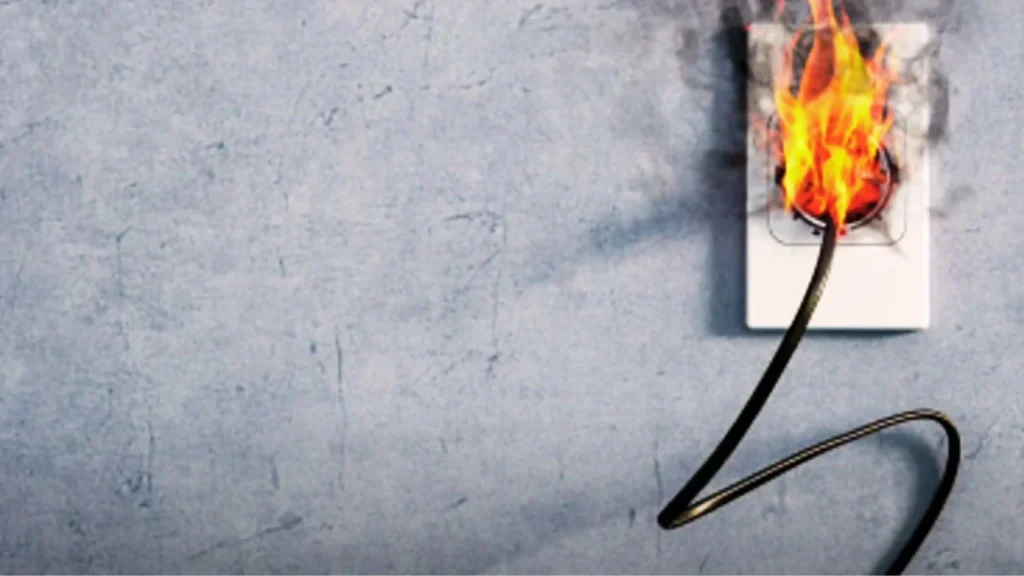
Whether you’re fixing a flickering switch or replacing an old one, understanding the risks is essential. In this guide, I’ll walk you through how to prevent a short circuit, why it happens, and the exact steps you should follow to avoid it.
What is a Short Circuit?
Before jumping into the repair process, it’s essential to understand what a short circuit is and why it’s such a hazard. A short circuit occurs when there’s low resistance between two conductors, causing the current to take a shortcut through the circuit.
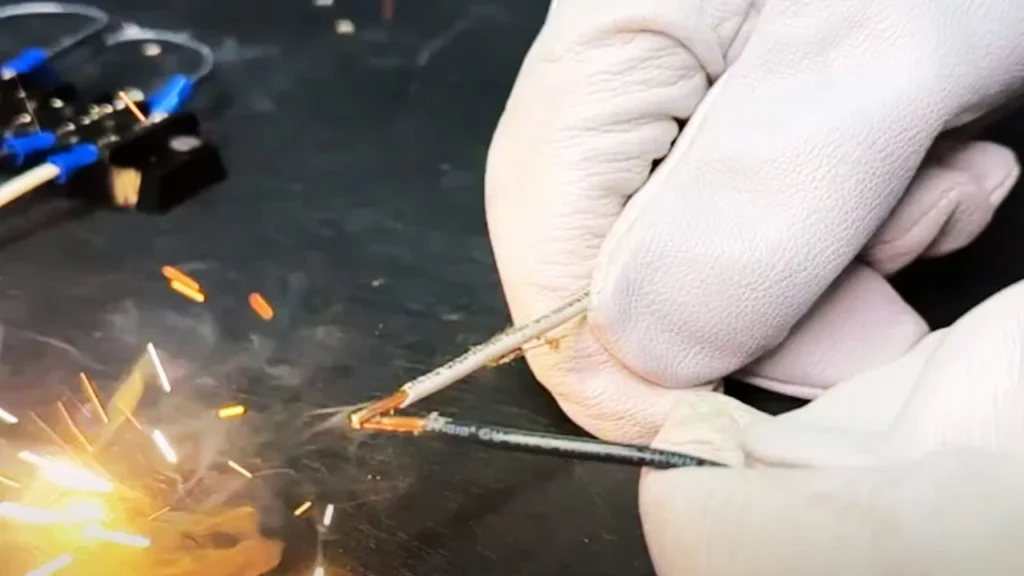
This often results in high heat, sparks, or even fire. Most short circuits happen due to faulty wiring or worn-out components in your electrical system.
Important Fact: Did you know that electrical failures, including short circuits, are responsible for 51,000 home fires annually in the U.S., leading to over $1.3 billion in property damage? You can troubleshoot a circuit board by inspecting for damage and testing components, learn how to troubleshoot a circuit board.
Knowing the dangers of short circuits helped me realize the importance of doing it right the first time. So let’s dive into the details of how to safely fix a switch and avoid creating this dangerous situation.
Factors That Lead to a Short Circuit
Before we get into how to fix a switch, it’s crucial to understand the factors that can cause a short circuit in the first place. Here’s a breakdown of the most common causes:
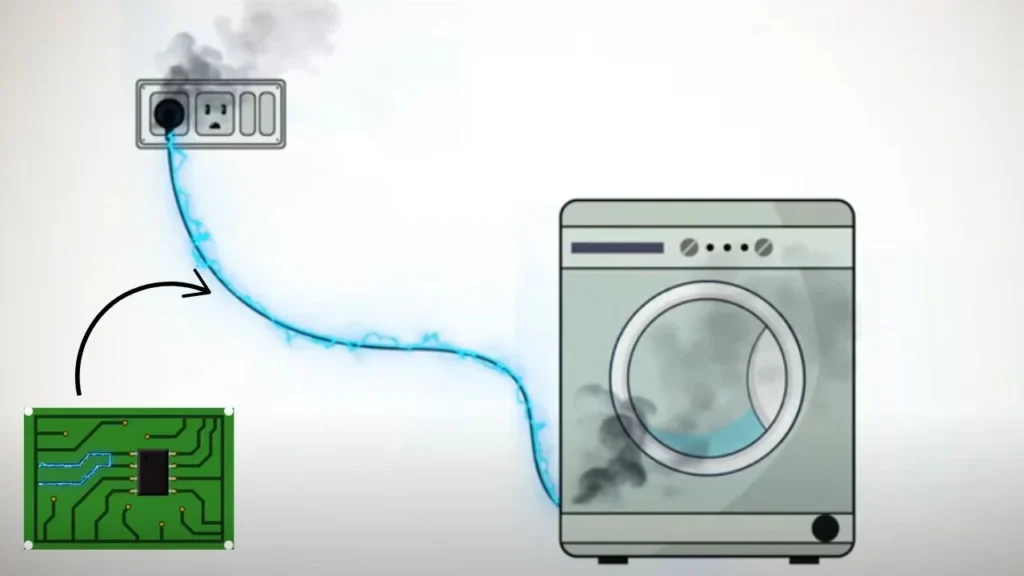
- Faulty Wiring: One of the leading causes of short circuits is worn-out or exposed wiring. Over time, wires can degrade, causing the insulation to break down, which allows electricity to escape the intended path.
- Loose Connections: Poor or loose connections in switches or outlets can lead to electricity “jumping” between terminals, causing a short circuit.
- Damaged Electrical Components: Worn or damaged parts inside the switch, like internal screws or terminals, can cause a short circuit if they fail to regulate the current properly.
- Overloaded Circuits: Trying to power too many appliances from the same circuit is another common cause. This overload can cause the wires to overheat and fail.
- Moisture or Water: Working in areas prone to moisture, such as bathrooms or kitchens, increases the risk of a short circuit. Water is a conductor, and even a small amount can cause issues.
- Pest Damage: Believe it or not, rodents like mice can chew through wires, exposing them and leading to a potential short circuit.
Having an understanding of these factors helped me pinpoint why my own switch had been sparking and flickering. Armed with this knowledge, I felt more confident addressing the issue. You can find a short circuit using a multimeter by measuring resistance across wires, here’s how to find a short circuit with a multimeter.
Step-by-Step Guide| Avoid Short Circuit While Fixing Switch
Here’s the step-by-step guide I followed, which will help you avoid making common mistakes and stay safe while fixing your switch.
Step 1: Turn Off the Power
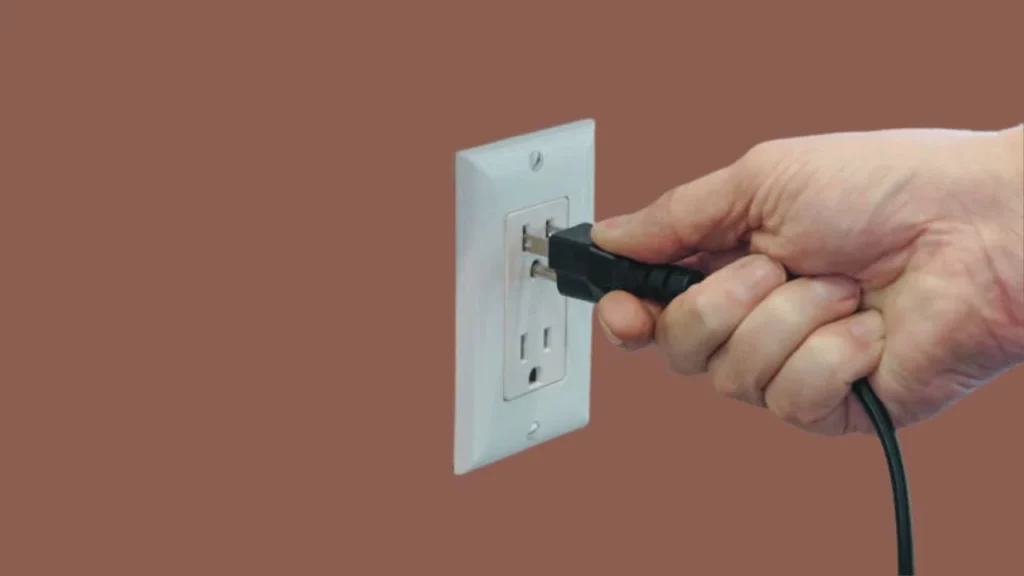
The first and most important step when fixing a switch is to turn off the power at the circuit breaker. I can’t stress this enough—never assume that flipping the switch itself will cut off the electricity. When I was fixing my switch, I used a voltage tester to double-check that no electricity was running through the circuit. It’s always better to be safe than sorry.
Step 2: Gather the Right Tools
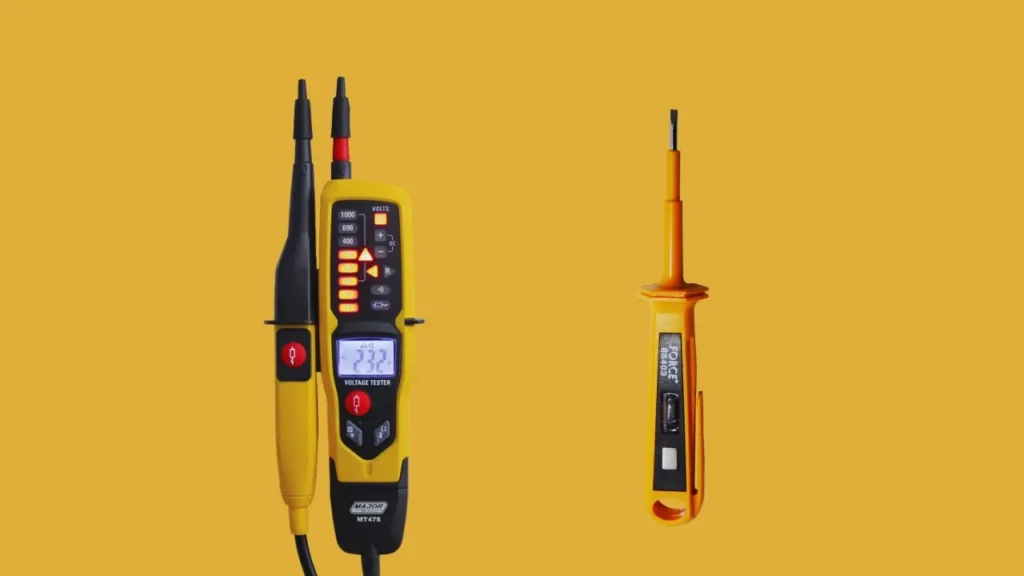
Make sure you’re using insulated tools. These tools are designed to prevent electrical currents from passing through them. You’ll need a voltage testerwire strippers, a voltage tester, and replacement wires or parts if needed. I didn’t have insulated tools at first, but I quickly realized how crucial they are to preventing accidents.
Step 3: Remove the Switch Plate and Inspect the Wiring
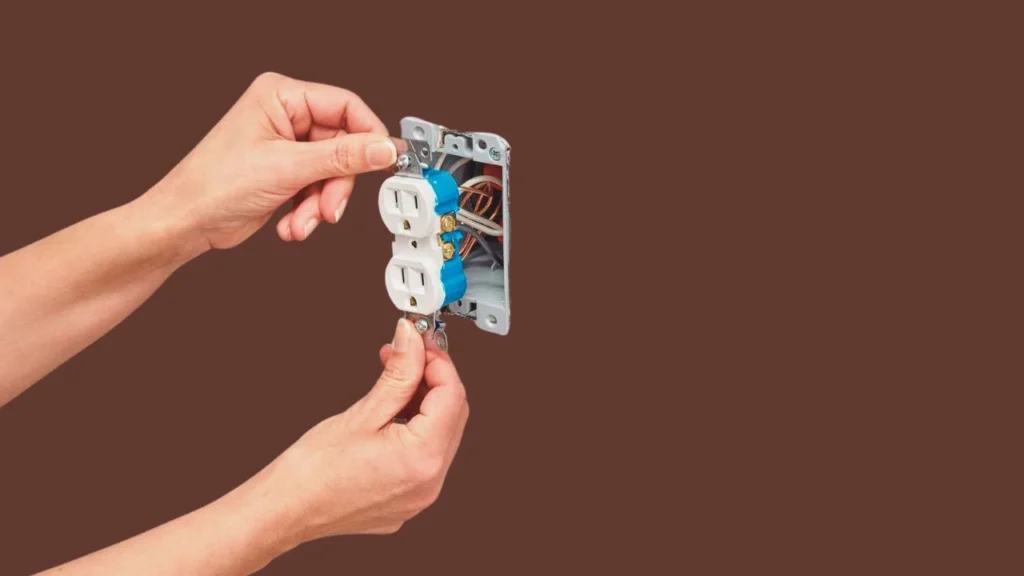
Carefully remove the switch plate and examine the wiring behind the switch. Look for any damaged or frayed wires, which are common culprits for short circuits. When I opened my switch, I found a loose wire that had caused the intermittent sparks I’d seen earlier.
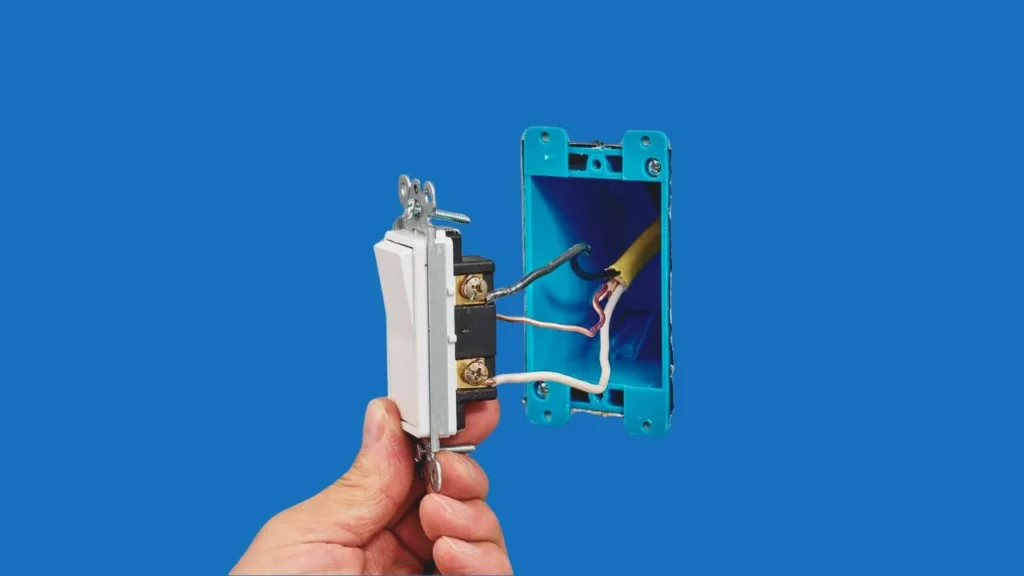
Pro Tip: According to electricians, about 80% of short circuits in household wiring are due to damaged or improperly connected wires.
Step 4: Tighten Connections and Replace Damaged Wires
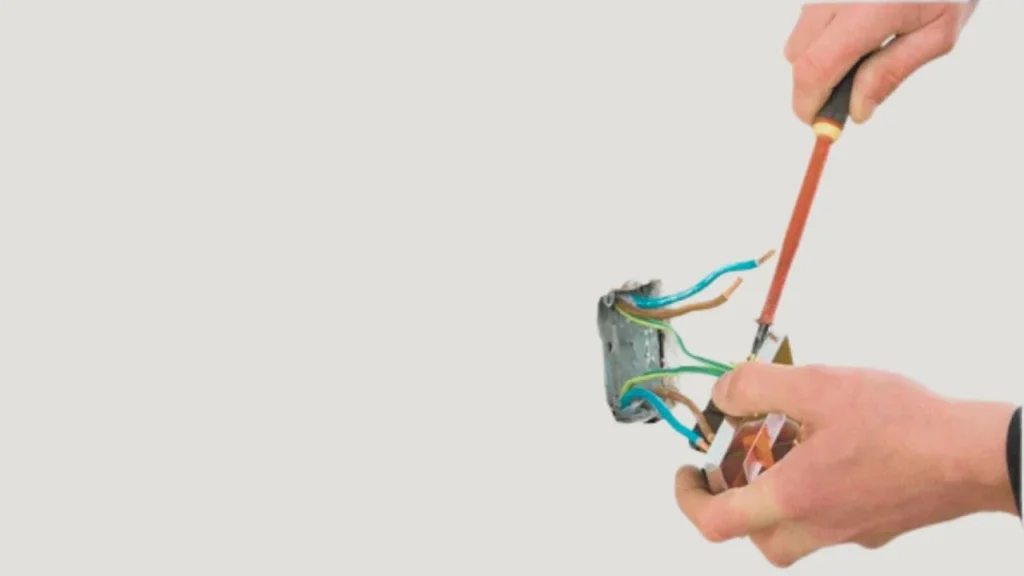
Make sure all wires are tightly connected to the appropriate terminals. If you notice any worn or exposed copper, replace the wire immediately. For my repair, I found it easiest to use wire connectors to ensure a secure connection.
Step 5: Double-Check Your Work
Before closing everything up, double-check your connections to make sure they’re secure. In my case, I used the voltage tester one more time to ensure there was no power flowing. Double-checking is critical—most DIY short circuits happen due to mismatched or loose connections. You can troubleshoot a circuit board by testing components for faults and examining connections.
Step 6: Restore the Power
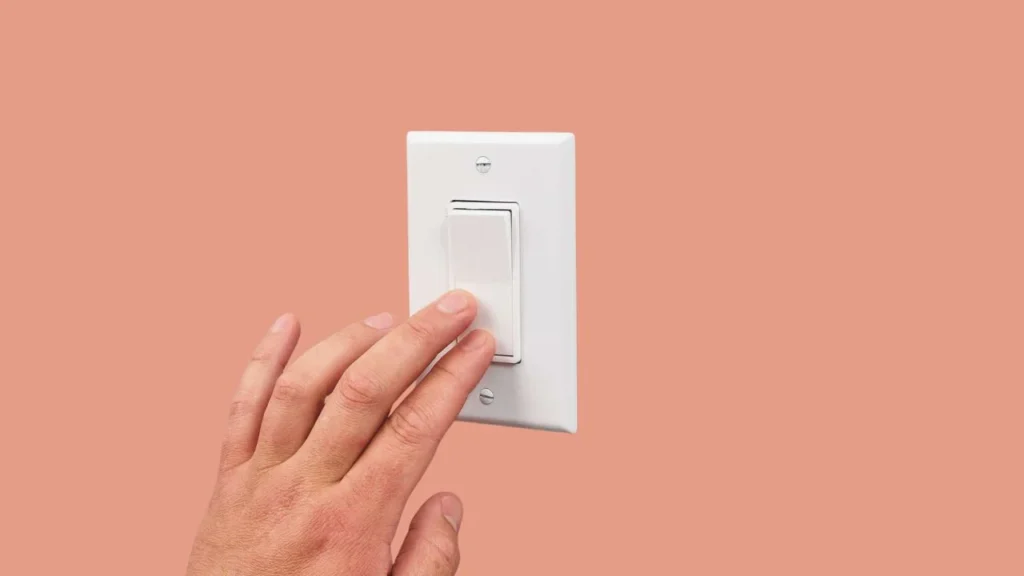
Once you’re confident everything is secure, restore the power at the breaker and test the switch. When I flipped the switch back on, there were no more sparks, flickering, or weird smells—just a properly working light.
What To Do If You Cause a Short Circuit
Even with the best precautions, accidents happen. If you accidentally cause a short circuit, here’s what you should do:
- Immediately turn off the power at the main breaker to prevent further damage or fire risk.
- Check for visible damage: Examine the switch, wiring, and breaker for burn marks or melted components. When I had a close call with a short circuit, the damage was minor, but I still had to replace the entire switch unit.
- Replace damaged parts: If you notice damage, replace any affected wires or the switch itself before attempting to turn the power back on.


Safety Tips to Avoid Short Circuits in Future Repairs
Here are some essential safety tips I’ve learned from my experience and research that will help you avoid short circuits when working on switches or any other electrical task:
- Always wear rubber-soled shoes: This adds an extra layer of insulation to prevent electric shock.
- Never work in wet conditions: Moisture dramatically increases the risk of a short circuit.
- Use a circuit tester: Double-check for live wires before touching anything.
- Keep a fire extinguisher nearby: Electrical fires are fast-moving and can be deadly. Having a fire extinguisher close at hand could save your home.
- Understand your home’s wiring system: It’s a good idea to familiarize yourself with your home’s electrical wiring, so you know exactly what you’re dealing with.
When to Call Electrician
If you’re not sure how to proceed, don’t hesitate to call a licensed electrician. Short circuits can be tricky, and over 80% of electrical fires from DIY repairs occur because of improper handling after a short circuit. You can use a non-contact voltage tester by following simple steps to safely detect voltage, here’s how to use a non-contact voltage tester.
Conclusion: Stay Safe, Fix Switches, and Avoid Short Circuits
Short circuit while fixing switch might seem like a simple task, but there’s always the risk if you’re not careful. Always start by turning off the power and using insulated tools and remember to double-check all connections.
Having gone through this process myself, I can confidently say that with the right precautions, it’s possible to safely fix a switch and avoid these dangers.
However, if you ever feel unsure, don’t hesitate to call a professional. Electrical repairs are not something to take lightly, and it’s always better to be safe than sorry. The best alligator clips for multimeters are handy for secure connections during testing.
FAQ’s
1. What causes a short circuit in a light switch?
A short circuit in a light switch is usually caused by faulty wiring, loose connections, or damaged electrical components. When electricity takes an unintended path due to exposed or frayed wires, it results in a short circuit. This can lead to sparking, flickering lights, or even fires.
2. What should I do if I accidentally cause a short circuit?
If you cause a short circuit, immediately turn off the power at the main breaker. Check for damage, such as burnt wires or a damaged switch. Replace any affected parts, and if you’re unsure about the repair, consult an electrician to avoid further risks.
3. How do I know if a short circuit has occurred?
Signs of a short circuit include sparks, a burning smell, flickering lights, or the circuit breaker tripping frequently. If you notice any of these signs, it’s important to turn off the power and investigate further to prevent potential hazards.
4. How can I prevent a short circuit when doing electrical repairs?
To prevent a short circuit, always turn off the power before starting any electrical work, use insulated tools, and make sure all wires are securely connected. Avoid working in damp conditions and never handle exposed wires without proper precautions.
5. Can overloading a switch lead to a short circuit?
While overloading a switch can cause it to overheat or fail, it doesn’t directly cause a short circuit. However, an overloaded switch can damage the wiring, increasing the likelihood of a short circuit occurring over time.