


I never thought about bugs in electrical outlets until I found ants crawling around mine. At first, I ignored it, but then I realized they could cause short circuits or even fires.
I was surprised to learn that 30% of electrical fires are linked to faulty outlets, and bugs can play a big role. The good news is, how to bug-proof electrical outlets? It’s easier than I expected. While researching, I found that ants are drawn to outlets for warmth and electromagnetic fields, which can lead to infestations and wiring damage.
A Quick Look
After dealing with this myself, bug-proofing outlets is now something I always recommend. Let’s dive into how you can do it too.
NOCO Boost Plus GB40
⭐ 4.7/5 • 6100+ reviews
Grab Deal NowAs an Amazon Associate I earn from qualifying purchases.
| Quick Look: Bug-proofing your outlets is an easy way to stop pests and avoid electrical problems. It’s a simple fix that can save you money and keep your home safe. Plus, it only takes a little time! Let’s get those outlets protected today! |
How to Bug-Proof Electrical Outlets?
Have you ever wondered why bugs love electrical outlets? I’ve dealt with this firsthand, and it’s a real problem.
Bugs like ants, cockroaches, and termites often crawl into outlets, causing damage and fire hazards. In fact, pests contribute to nearly 25% of electrical fires. They can chew through wires, leading to sparks or short circuits. If you’ve noticed a sparking outlet, it might be due to pest damage. If your outlet is sparking, check and fix others to prevent bigger issues. That’s why bug-proofing outlets is key to home safety.
The Importance of Bug-Proofing Electrical Outlets
Bug-proofing your outlets isn’t just about keeping pests out. It’s about ensuring the safety of your home and your electrical system. You might be surprised to learn that tiny insects can cause short circuits, wiring damage, or worse, an electrical fire. By taking a few simple steps, you can protect your outlets from pests and avoid costly repairs.

In this guide, I’ll walk you through how to bug-proof electrical outlets? Whether you’re dealing with a bug problem now or just want to prevent one, these methods will keep your home safe. Let’s get started on keeping those pesky critters out for good!
Most Common Bugs That Get Into Electrical Outlets
Bugs in electrical outlets might seem harmless, but they can cause big problems. I’ve seen firsthand how pests can mess with your electrical system. If you’re wondering how to bug proof electrical outlets, knowing what types of bugs get in is the first step.

Common Bugs in Electrical Outlets
The usual suspects are ants, cockroaches, and termites. Ants love the warmth electrical outlets provide, while cockroaches are drawn to dark, hidden spots. Termites, though less common, can do serious damage to the wood around your outlets
Why Bugs Love Electrical Outlets?
Bugs are attracted to warmth, and electrical outlets are a perfect heat source. Cracks or gaps around the outlet make it easy for them to slip in unnoticed. The darkness inside outlets also offers a safe hiding spot. Additionally, the moisture in certain areas can be a draw for pests like cockroaches.
How Bugs Can Damage Your Outlets?
Bugs can cause major issues. Cockroaches can chew through wires, leading to short circuits and even fires. Termites can weaken the wood around outlets, increasing the risk of structural damage. In fact, electrical issues cause 47,000 home fires annually.
If you notice a buzzing sound coming from an outlet, pests could be damaging the wiring inside. A buzzing outlet is often a sign of loose connections, faulty wiring, or pest-related damage.
How to Get Bugs Out of Your Outlets

Turn Off the Power
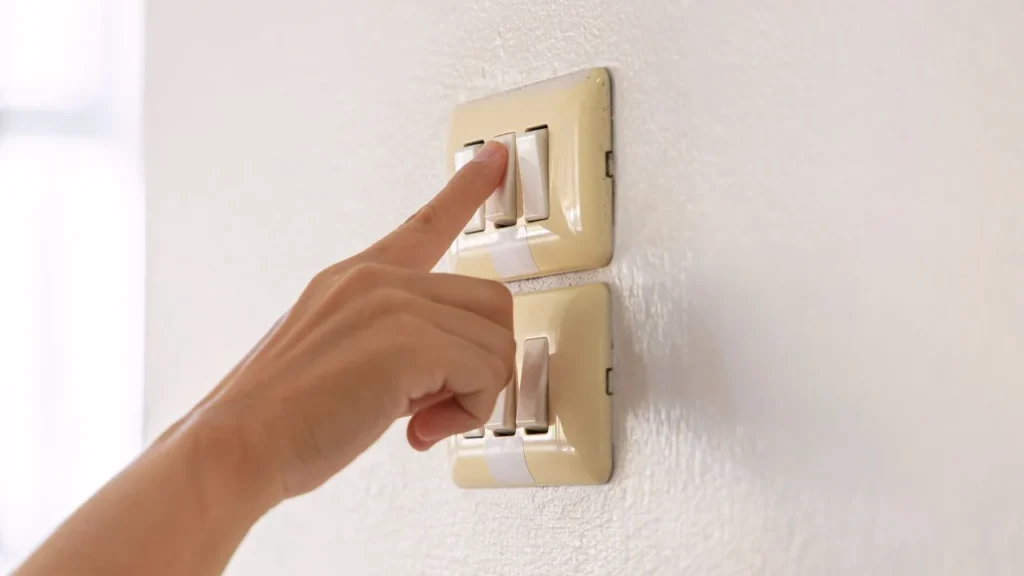
The first thing you must do is turn off the power to the outlet. This is essential for your safety. If you’re unsure, it’s best to call an electrician. According to the National Fire Protection Association (NFPA), pests contribute to over 5,000 electrical fires annually. Flipping the breaker off isn’t always enough—use a voltage tester to confirm the power is truly off.I always use the Fluke T5-600 because it’s reliable and easy to use. Taking this step ensures you can work safely without the risk of electric shock.
Inspect the Outlet
Next, inspect the outlet for signs of pests. Grab a flashlight and check the cracks and crevices. If you spot bugs, use a vacuum or gently blow them out. For nests, clean the area carefully to remove any remnants..
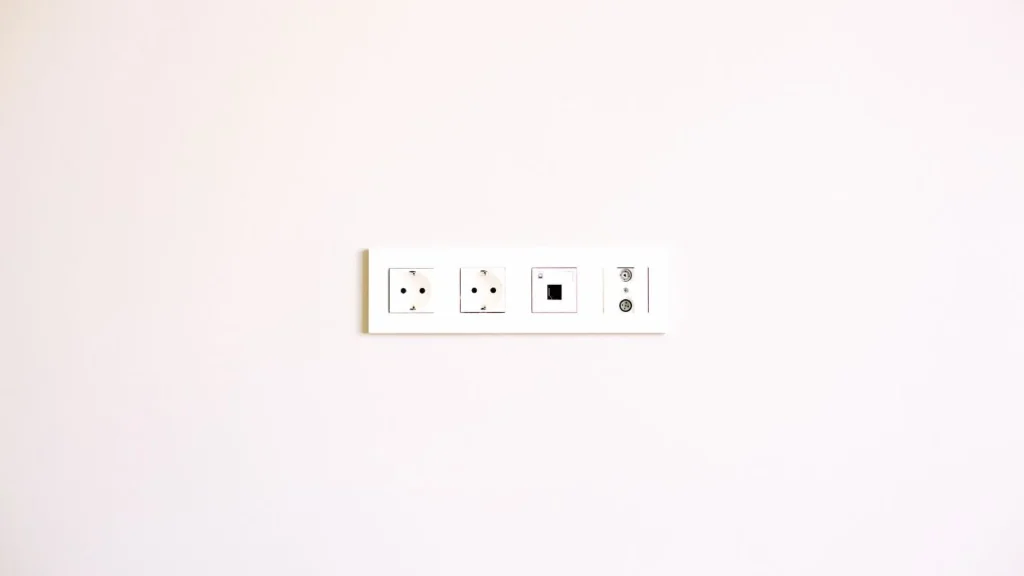
Pay attention to any unusual smells, buzzing sounds, or burnt marks, as they could signal electrical damage caused by pests. Bugs like cockroaches and ants can chew through wiring, leading to faulty connections or even short circuits. If you see frayed wires or suspect electrical issues, don’t just rely on a visual check—use a multimeter to test the wires if the wiring is still functioning properly. A faulty wire can increase the risk of electrical fires, so verifying the outlet’s condition is crucial.
Seal the Outlet

Once you’ve cleared out the pests, it’s time to seal your outlet to keep them from coming back. I always recommend using silicone sealant or outlet gaskets to block tiny entry points. Studies show that sealing gaps can reduce pest infestations by up to 70%.
But here’s something homeowners often overlook—if you plan to repaint your outlets after sealing them, you need to do it safely. Many people don’t realize that painting over outlets the wrong way can lead to overheating, poor connectivity, or even electrical hazards. A small mistake, like clogging the slots with paint, could lead to bigger problems down the road.
Keep the Area Clean and Dry
Finally, ensure the area around the outlet is clean and dry. Bugs are drawn to moisture, so a dry environment will discourage them from returning. If you continue to have issues, it may be time to call a professional for a deeper inspection. Using a dehumidifier in damp areas can help keep moisture levels low, making the space less attractive to pests. Additionally, sealing any nearby wall cracks can further prevent insects from sneaking in.
Comparison of Methods for Bug Removal from Outlets
Here’s a quick comparison of different methods for getting bugs out of your electrical outlets:
Bug-Proofing Solutions
Let’s go over the best ways to bug-proof your electrical outlets. You can choose from simple, quick fixes or longer-term solutions.

Seal Your Outlets from Bugs
Outlet Covers:

These covers cost about $3 each and are quick and easy to install. I use them on my outdoor outlets to block out pests. They prevent bugs from crawling into outlets, offering a simple solution for immediate protection.
Silicone Sealant:
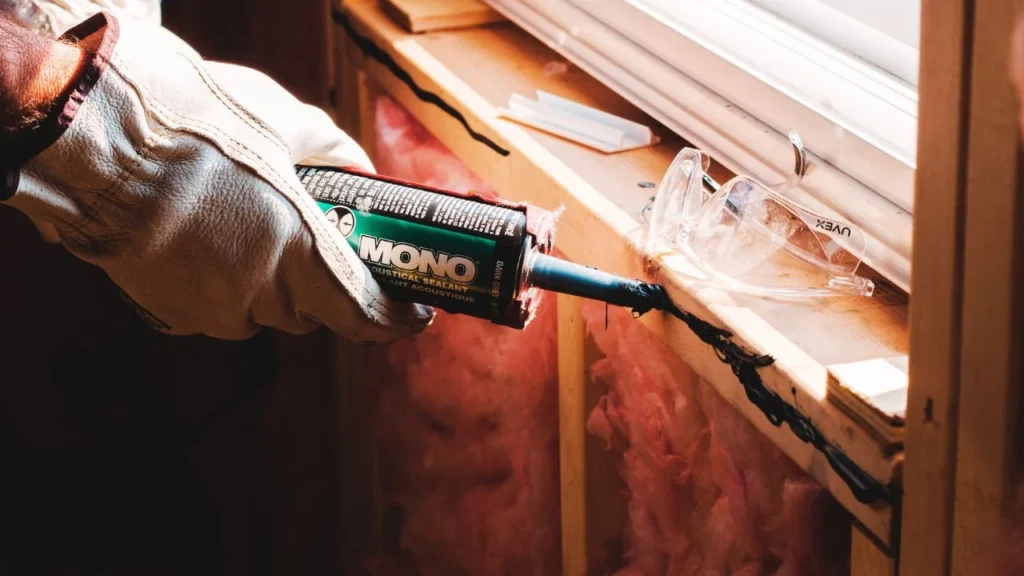
Silicone sealant costs around $8 per tube and effectively fills small gaps. I recommend reapplying it annually for best results. It’s a great option for sealing edges around outlets and keeping insects at bay.
Outlet Gaskets:
At around $2 each, these gaskets fit between the outlet and wall plate. They offer a low-maintenance solution for preventing bugs. Once installed, they keep pests out without any ongoing effort.
Weatherproofing Kits:
Priced around $12, these kits are perfect for areas with high moisture. They provide long-lasting protection by sealing outlets completely. I recommend them for outdoor or damp locations, ensuring both bug and moisture resistance.
Foam Insulation Tape:
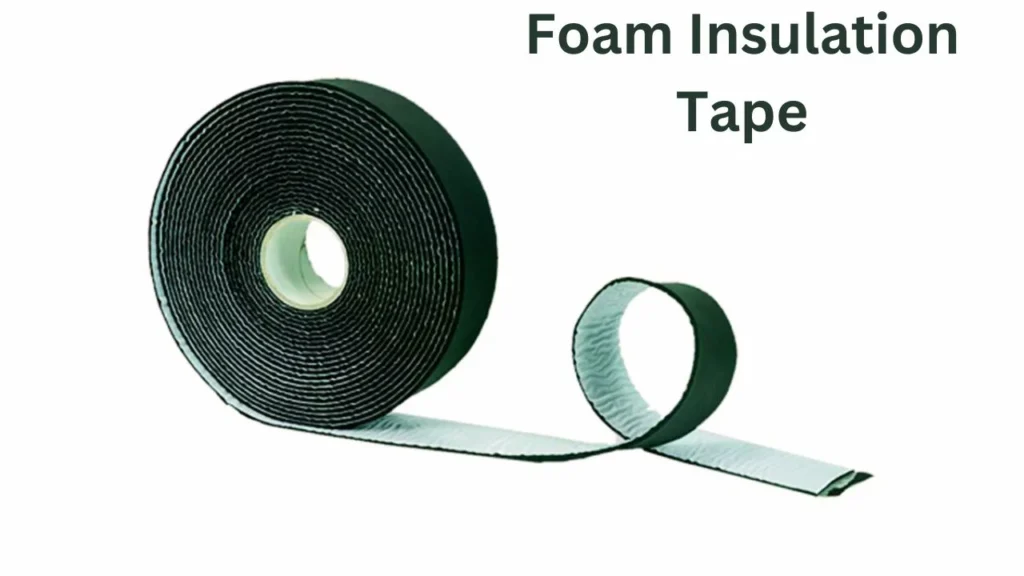
This tape costs about $5 per roll and is easy to apply. It seals gaps around outlets, reducing the chance of bugs entering. A great, affordable option for additional protection against pests and drafts.
Electrical Outlet Box Seals:
For $10, these seals fit around the outlet box to provide enhanced protection. They block both pests and moisture, making them ideal for areas prone to infestations. They offer a more permanent and robust solution to seal outlet
Safety Precautions Before Bug-Proofing Electrical Outlets
Before sealing your electrical outlets to keep bugs out, safety comes first. The last thing you want is an electric shock while trying to fix the issue.
Call a Professional If Needed – If you’re unsure or see damaged wiring, it’s best to call an electrician.
Turn Off the Power – Always switch off the power at the breaker panel before working on any outlet.
Use a Voltage Tester –Flipping the breaker isn’t always enough. I always use the Fluke T5-600 to double-check that the power is truly off. If you’re unsure which tester is best, I’ve researched outlet testers that might be a good fit for you.
Wear Insulated Gloves – These protect you in case of accidental contact with a live wire.
Avoid Wet Hands – Never handle electrical outlets with damp hands to reduce the risk of shock.
Bug-Proofing Methods Compared
Final Wrap Up: Protect Your Home with Simple Steps
Bug-proofing electrical outlets is a straightforward yet vital step for home safety. Having worked with electrical systems for years, I can tell you it’s one of the best ways to prevent costly damage. Sealing outlets keeps your home safe from both pests and electrical issues. Simple, affordable fixes can save you from bigger problems down the line. Don’t wait—start bug-proofing your outlets today for a safer, more secure home.
FAQs about How to Bug-Proof Electrical Outlets?
1. Why should I bug-proof my electrical outlets?
Bug-proofing your electrical outlets prevents pests like ants, cockroaches, and rodents from getting into your electrical system. These bugs can cause short circuits, electrical fires, and other damage, leading to costly repairs and safety hazards.
2. How can I tell if my electrical outlets have a bug infestation?
Signs of a bug infestation around electrical outlets include visible pests, unusual smells, or signs of moisture or damage on the outlet plate. If you notice electrical issues like flickering lights or frequent tripped circuit breakers, pests might be to blame.
3. How often should I check or maintain bug-proofed outlets?
It’s a good idea to check your bug-proofing methods at least once a year. Silicone sealant should be reapplied annually, while outlet covers and gaskets require minimal maintenance. Be sure to inspect outdoor outlets more frequently, especially in damp or humid areas.
4. Can I use regular household products to bug-proof outlets?
Yes, many household products like silicone sealant, outlet covers, and foam insulation tape can be used to bug-proof outlets. These affordable and easy-to-use materials help prevent bugs from entering while offering a cost-effective solution for protection.
5. How much does it cost to bug-proof electrical outlets?
The cost of bug-proofing outlets varies depending on the method. Outlet covers cost around $3 each, silicone sealant is about $8 per tube, and weatherproofing kits typically cost $12. Overall, it’s a low-cost investment that helps prevent bigger, more expensive issues.