


I remember the first time I saw an outlet spark I freaked out. Was it normal? Or was my house about to go up in flames? If you’ve ever seen sparks fly when plugging something in, you’re not alone. Over 51,000 electrical fires happen every year in the U.S. (NFPA report), and some of them start with a faulty outlet.
The good news? Not all sparks are dangerous. But the bad news? Some are, and ignoring them can lead to bigger (and way more expensive) problems. In this guide, I’ll break down why outlets spark, how to fix them, and how to stop it from happening again.
A Quick Look



| Quick Look: How to Fix a Sparking Outlet? Turn off power, check for burn marks or loose wires, and replace the outlet if needed. If sparks are big, smell burnt, or the outlet feels hot, call an electrician! To prevent sparks, it’s essential to inspect the GFCI outlet regularly, avoid overloads, and replace old outlets every 10-15 years. |
How to Fix a Sparking Outlet?
A sparking outlet isn’t something to ignore. I’ve dealt with enough of them to know that small sparks can lead to big problems. But don’t worry if you catch it early, you can fix it yourself. Follow these steps carefully, and you’ll have a safe, working outlet in no time.
NOCO Boost Plus GB40
⭐ 4.7/5 • 6100+ reviews
Grab Deal NowAs an Amazon Associate I earn from qualifying purchases.

1.Shut Off Power
Before doing anything, turn off the power to the outlet. Go to your electrical panel and find the correct breaker. If the circuit is overloaded, it may cause frequent sparks or even trip the breaker. Understanding the right number of outlets per circuit is crucial to prevent overloading.
To double-check, use a non-contact voltage tester (about $10-$20 at any hardware store). Hold it near the outlet if it lights up or beeps, there’s still power. Never touch wires until you’re sure they’re dead.
2. Inspect for Damage
Carefully remove the outlet cover using a screwdriver. Look inside and check for these warning signs:
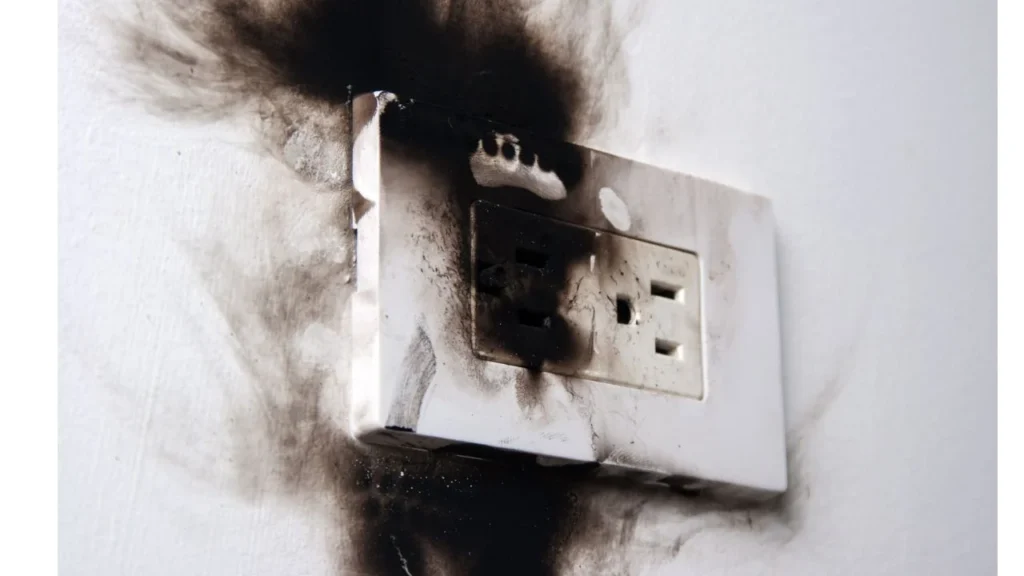
- Burn marks or discoloration around the outlet slots
- Melted plastic on the faceplate or wires
- A smoky or burning smell, even when nothing is plugged in
- Loose or exposed wires hanging out
If you see any of these, the outlet needs replacing. A burnt or melted outlet is beyond repair and can be a fire hazard.
3.Tighten or Replace Wires
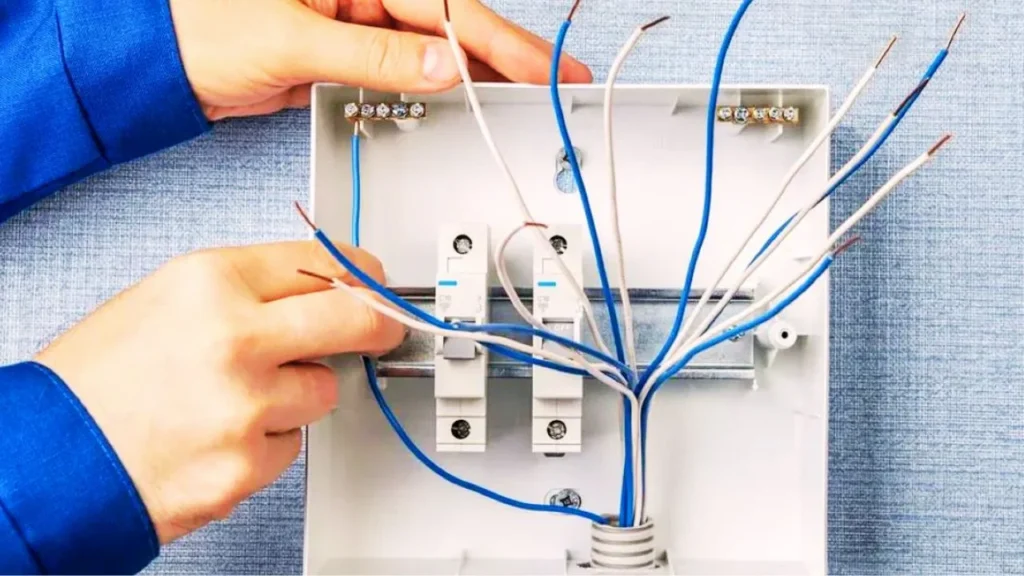
Loose wiring is one of the biggest causes of outlet sparks. Over time, screws can loosen, creating tiny gaps that cause electrical arcing. Here’s what to do:
- Use a screwdriver to tighten all terminal screws on the sides of the outlet.
- If you find a damaged or frayed wire, cut off the bad section with wire cutters.
- Strip about ½ inch of insulation from the end of the wire using a wire stripper.
- Wrap the bare wire around the screw in a clockwise direction and tighten it securely.
If you see multiple wires jammed into the back of the outlet (backstabbed connections), move them to the screw terminals instead. Backstabbed wires can come loose and cause sparking.
4.Swap Out the Outlet

If the outlet itself is cracked, melted, or discolored, it’s time for a new one. A basic 15-amp outlet costs around $3-$5, while a GFCI outlet (safer for kitchens and bathrooms) costs about $15-$20.
How to Replace the Outlet:
- Match the new outlet’s wiring to the old one.
- Black (hot) wires connect to brass screws.
- White (neutral) wires connect to silver screws.
- Green or bare copper (ground) wires connect to the green screw.
- Secure the wires tightly and push everything back into the box.
- Screw the outlet into place and attach the faceplate.
5.Restore Power & Test the Fix
Once everything is secure, turn the breaker back on. Plug in a lamp or outlet tester to check if it works.
- If the outlet works fine and no longer sparks, you’re good!
- If sparking continues, there may be deeper electrical issues. Turn the power off and call an electrician.
Essential Safety Tips Before Fixing a Sparking Outlet
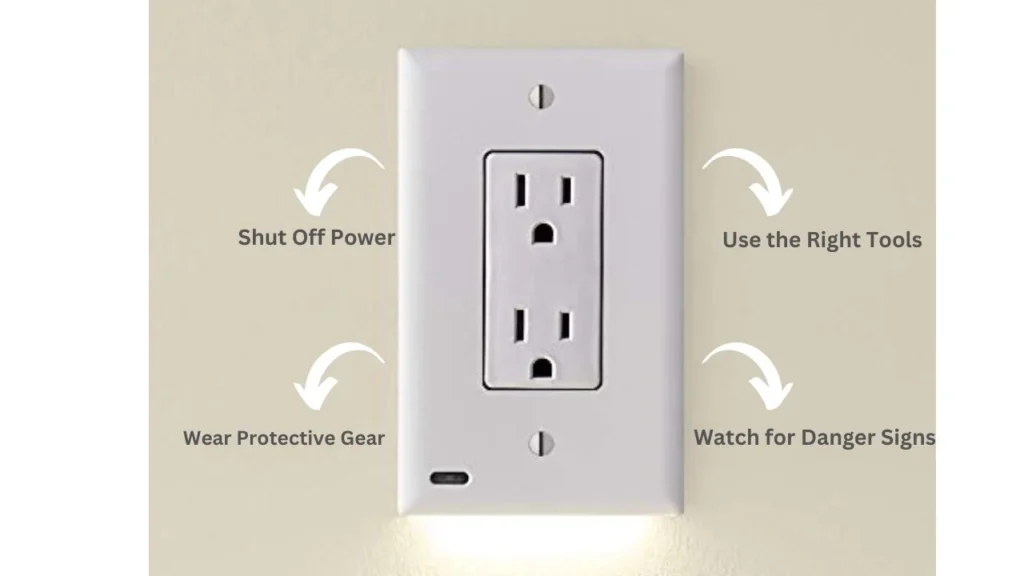
Before diving into the fix, let’s talk safety. Electrical mishaps cause over 51,000 home fires in the U.S. every year, so taking the right precautions is crucial. Here are some must-follow safety measures:
1. Shut Off Power Completely
Locate your breaker panel, which is usually found in the garage, basement, or utility room. Flip the correct breaker to cut power to the outlet, or if you’re unsure, turn off the main breaker to be extra safe. Use a voltage tester ($10-$20) to confirm the outlet is completely off before proceeding.
2. Wear Protective Gear
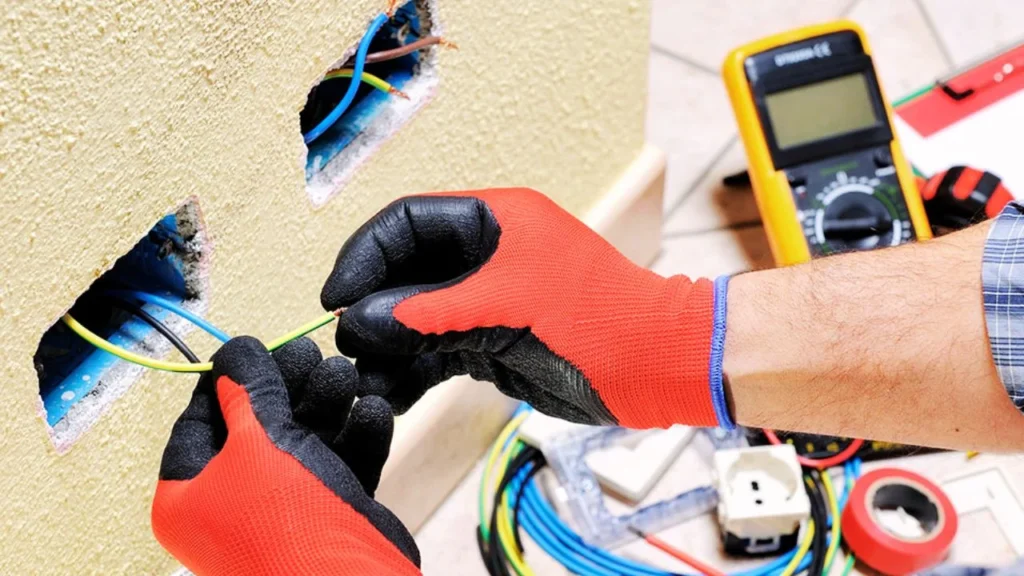
Use insulated gloves ($10-$30) to reduce shock risk while working on electrical outlets. Wear rubber-soled shoes to prevent conducting electricity and minimize the risk of shocks. Always work in a dry area, as moisture significantly increases the chances of electrocution.
3. Use the Right Tools
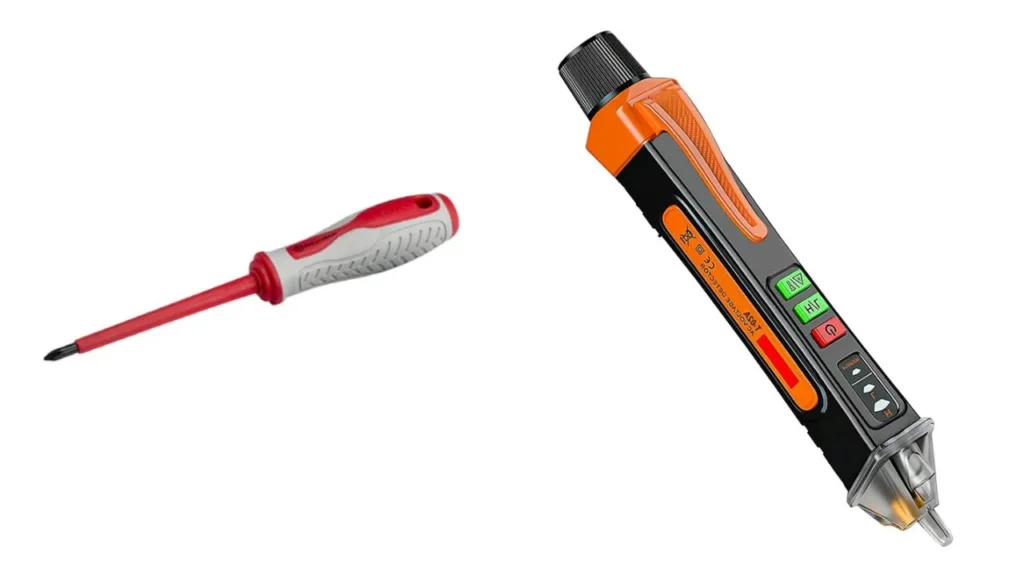
A non-contact voltage tester ensures the power is off before you start working. Screwdrivers with insulated handles help prevent accidental shocks while handling the outlet. Needle-nose pliers make it easier to grip and adjust wires safely.
4. Watch for Danger Signs
If you notice burn marks, melting, or a burning smell, stop immediately. These signs indicate a more serious problem that may require professional help.
5. Know When to Call an Electrician
DIY fixes are great, but some problems need an expert. Call a pro if you notice:
Constant sparking or electrical arcing can indicate a serious issue. Buzzing or sizzling sounds from the outlet may signal loose or faulty wiring. If the breaker repeatedly trips after resetting, it could mean an overloaded circuit. Old aluminum wiring (common in pre-1972 homes) requires special handling and may need professional inspection.
Why Is Your Outlet Sparking?
I’ve seen my fair share of sparking outlets, and trust me, it’s not fun. The first time it happened, I panicked. But here’s the thing—not every spark is a fire hazard. Some are totally normal, while others scream “turn off the power now!” Let’s break it down.
Normal vs Dangerous Sparks
Before you freak out, let’s figure out if your spark is harmless or a sign of trouble.
If you see burn marks, feel heat, or smell something burning, turn off your breaker immediately. That’s a problem you don’t want to ignore.
Top Reasons why Outlets Spark?
1. Short Circuits
This is the worst-case scenario. If wires inside your outlet touch when they shouldn’t, they can overheat instantly and spark. That’s how fires start. If you see black marks or melted plastic, it’s time to replace the outlet.
2. Overloaded Circuits
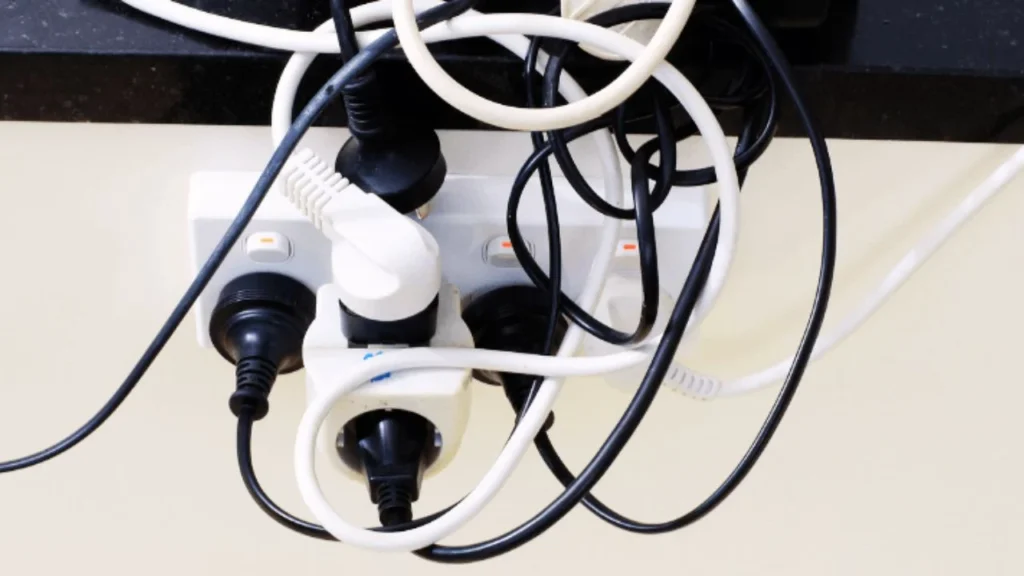
Ever plugged in a space heater, then turned on a hairdryer, and—boom—your breaker trips? That’s an overloaded circuit. Most home outlets handle 15-20 amps, but high-wattage appliances can push it past the limit. Too much power = sparks and melted wiring.
3. Loose or Worn-Out Wiring
Wires loosen over time, especially in older homes. A loose connection can cause tiny electrical arcs—yep, that’s where the sparks come from. If your outlet is over 10 years old, it might be time for an upgrade.
5.Moisture
If your outlet is near a sink, shower, or outside, moisture can sneak in. Water inside an outlet is a major fire risk. That’s why GFCI outlets are required in bathrooms and kitchens—they shut off power instantly when moisture is detected.
6.Cheap or Old Outlets
Ever had a plug that just falls out of the outlet? That means the internal parts are worn out. Loose connections = sparks. A decent outlet costs $5-$15—don’t skimp on safety!
How to Stop Outlets from Sparking Again?

Fixing a sparking outlet was a relief, but I didn’t want it happening again. I’ve had my fair share of electrical issues, and I’ve learned that a little prevention goes a long way. Here’s what I do to keep my outlets safe.
Upgrade to Safer Outlets (GFCI, AFCI)
One of the first things I did was swap out old outlets for GFCI outlets in my kitchen and bathroom. These shut off power if they detect moisture or a short circuit. I also installed AFCI outlets in my living room and bedrooms to prevent electrical fires. If your home is 20+ years old, upgrading is a smart move.
Avoid Overloading Outlets
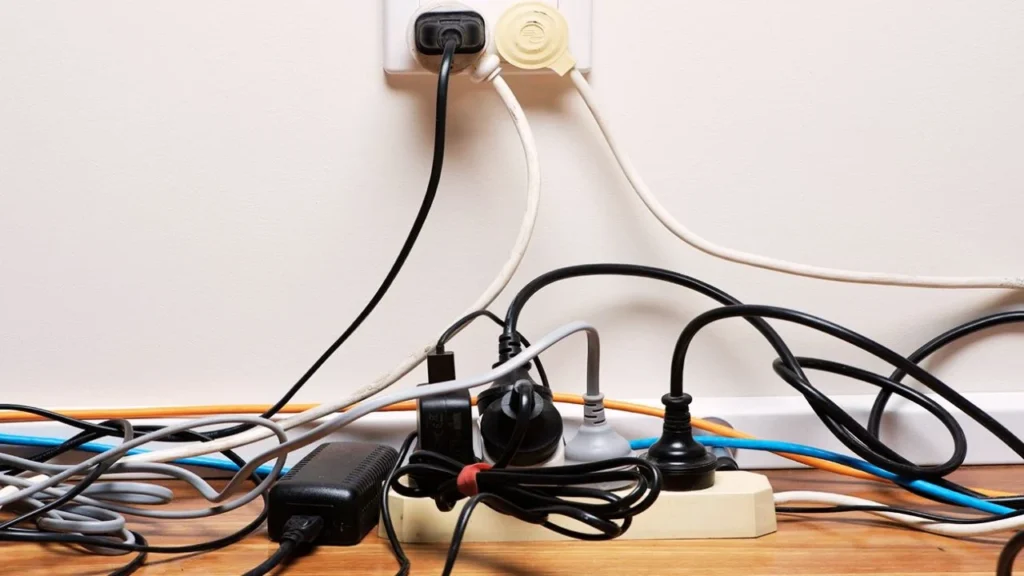
I used to plug way too many things into a single outlet, not realizing the risk. Most home circuits are 15-20 amps, but something like a space heater can pull 12.5 amps alone! Overloading can lead to sparks, tripped breakers, or even fires. Now, I always check my device’s power rating and spread out my electronics across different outlets.
Replace Worn-Out Outlets
I ignored a loose outlet for months until I realized it was a fire hazard. Loose metal contacts inside can cause sparks, and if a plug keeps falling out, that’s a bad sign. I now replace outlets every 10-15 years or sooner if I notice black marks, cracks, or flickering power. A new outlet costs under $10, but it can prevent thousands in damage.
Keep Outlets Dry
I learned the hard way that water and electricity don’t mix. Outdoor outlets can collect moisture, leading to dangerous sparks. I now use weatherproof covers outside and make sure all bathroom and kitchen outlets are GFCI-protected. If an outlet near water sparks or feels damp, I shut off power immediately and check for leaks.
Final Thoughts
I know a sparking outlet might not seem like a big deal, but it can be. A quick blue spark? No problem. But if it lasts over one second, smells burnt, or looks yellow, I take action.
First, I cut the power and check for loose wires. If the outlet looks bad, replacing it costs just $5 to $20. Ignoring it? That’s risky—30,000 electrical fires happen yearly in the U.S.
If the problem doesn’t stop, I call a pro. It might cost $150 to $300, but that’s way cheaper than fire damage. Stay safe—fix sparks early!
FAQs
Why does my outlet spark when I plug something in?
A small spark is normal when plugging in a device. This happens due to the sudden flow of electricity. But if the spark is large, yellow, or lasts over one second, it’s a problem. It could be a short circuit, loose wiring, or an overloaded circuit.
Can I fix a sparking outlet myself?
Yes, if the issue is minor, like a loose connection. But if you notice burn marks, melted plastic, or a burning smell, call an electrician. Around 30,000 electrical fires happen in the U.S. each year. Safety comes first.
How much does it cost to fix a sparking outlet?
Replacing an outlet yourself costs about $5 to $20 for a new one. If you hire an electrician, expect to pay $100 to $250, depending on labor costs and wiring issues.
Is a sparking outlet dangerous?
Yes, if it sparks frequently or feels warm. Faulty outlets cause around 2,400 home fires yearly. If in doubt, turn off power and check for damage.