


Precision and accuracy are paramount in the world of electrical work. Measuring DC amps (direct current amperes) is an essential skill for any electrician or DIY enthusiast. DC is a steady flow of electricity that is used in countless electric systems, such as automotive circuits and solar panels.
A RMS Clamp Meter is the right tool for harnessing its power safely and effectively. Understanding DC current and clamp meters is necessary before learning how to measure DC amps with clamp meter. It’s crucial to know how to use a Fluke clamp meter properly to ensure accurate readings and prevent potential errors or damage to the equipment.
A Quick Look
| Quick Look: When I measure DC amps with a clamp meter, I first set the meter to DC amperage mode. Then, I clamp it around just one conductor, making sure not to touch any other wires. I’ve learned that keeping the clamp steady and in the right position gives me the most accurate reading. |
What is DC Current?
DC current is the flow of electric charge carriers, typically electrons, in a circuit. It flows steadily from a positive terminal to a negative terminal of a power source, such as a battery. DC differs from AC due to its unidirectional flow.
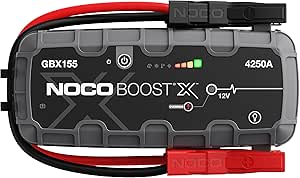
NOCO Boost Plus GB40
⭐ 4.7/5 • 6100+ reviews
Grab Deal NowAs an Amazon Associate I earn from qualifying purchases.
DC circuits have a constant voltage, so they are suitable for applications requiring a stable power supply, such as powering electronic gadgets.
What is a Clamp Meter?
The Clamp Meter, or clamp-on ammeter, measures electrical current without physically disconnecting wires. A clamp-like jaw allows it to clamp around a conductor and measure current non-invasively. You don’t need to break the circuit to obtain a reading using this feature, so it’s useful for measuring live circuits safely.

Preparing for DC Current Measurement
You must take specific preparation steps to ensure accurate readings and maintain safety when measuring DC current with a clamp meter.

Safety Precautions
Safety should be your top priority before knowing the complete procedure on how to measure DC amps with a clamp meter Ensure that the circuit has been de-energized before measuring DC current. Wear appropriate personal protective equipment, such as insulated gloves and safety glasses, if de-energizing is not possible. You should also work in a dry environment to prevent the risk of electric shock.
Inspecting the Clamp Meter
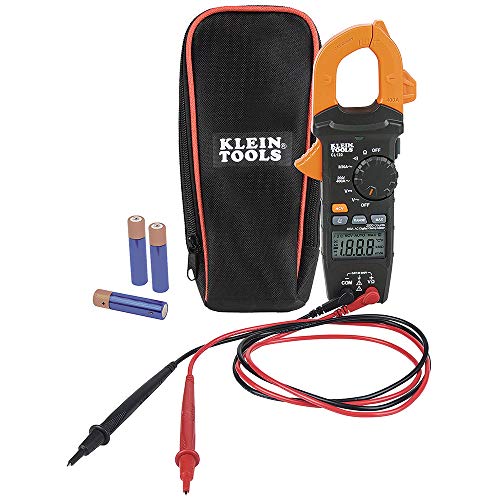
Be sure to inspect your Fluke 323 Clamp Meter, Klein CL800, and Klein CL900 thoroughly before using them. Look for visible damage, such as cracked displays or frayed cables. A well-maintained clamp meter is more likely to provide accurate measurements.
Selecting the Appropriate Range and Mode
Current measurement ranges and modes are available on most clamp meters. For accurate readings, select the range that matches the expected current level. If necessary, start at the highest range and work your way down.
Change the clamp meter’s mode to DC for DC current measurements. It prevents errors in your readings by calibrating the meter for DC measurements correctly.
How to measure DC amps with clamp meter? | Step-by-Step Guide
Measuring DC amps with a Best DC Clamp Meter might seem daunting at first, but it’s pretty straightforward when broken down into simple steps. To ensure accurate DC current measurements, follow this step-by-step guide.
Step#1 Connecting the Clamp Meter
De-energize the circuit and ensure all safety precautions are in place before proceeding. Locate the clamp’s jaws, typically marked with a “clamp” symbol on the clamp meter.
Position the jaws around the conductor you want to measure by pressing the trigger or release button. For accurate readings, ensure that the conductor is fully enclosed within the jaws.

Step#2 Setting the Clamp Meter to DC Mode
You can select the current type you want to measure using the mode selector switch or button on most clamp meters. The clamp meter needs to be set to “DC” or “Direct Current” in this case. DC amps can be accurately measured with this mode. Before proceeding, make sure that the mode you selected is correct.

Step#3 Zeroing the Clamp Meter
The clamp meter must be zeroed before any residual magnetic field interference can be eliminated. In order to zero the clamp meter, keep the jaws open, away from any conductors carrying current. Press the “Zero” or “REL” button to reset the meter to zero when available. Measurements will be more accurate if you start with a clean slate.

Step#4 Placing the Clamp Around the Conductor
Place the clamp meter’s jaws around the conductor you intend to measure. The accuracy of the reading may be affected by interference or additional conductors inside the jaws. Ensure the jaws are fully closed and aligned correctly for an accurate measurement.

Step#5 Reading and Recording the DC Current
When the clamp meter is securely positioned around the conductor, press the measurement button or trigger to capture the reading.
DC will be displayed on the clamp meter’s screen in amps (A). Keep a record of this reading and use it for future analysis. Keeping in mind that DC is directional, a negative reading indicates current flow in the opposite direction.



Practical Applications of DC Current Measurement
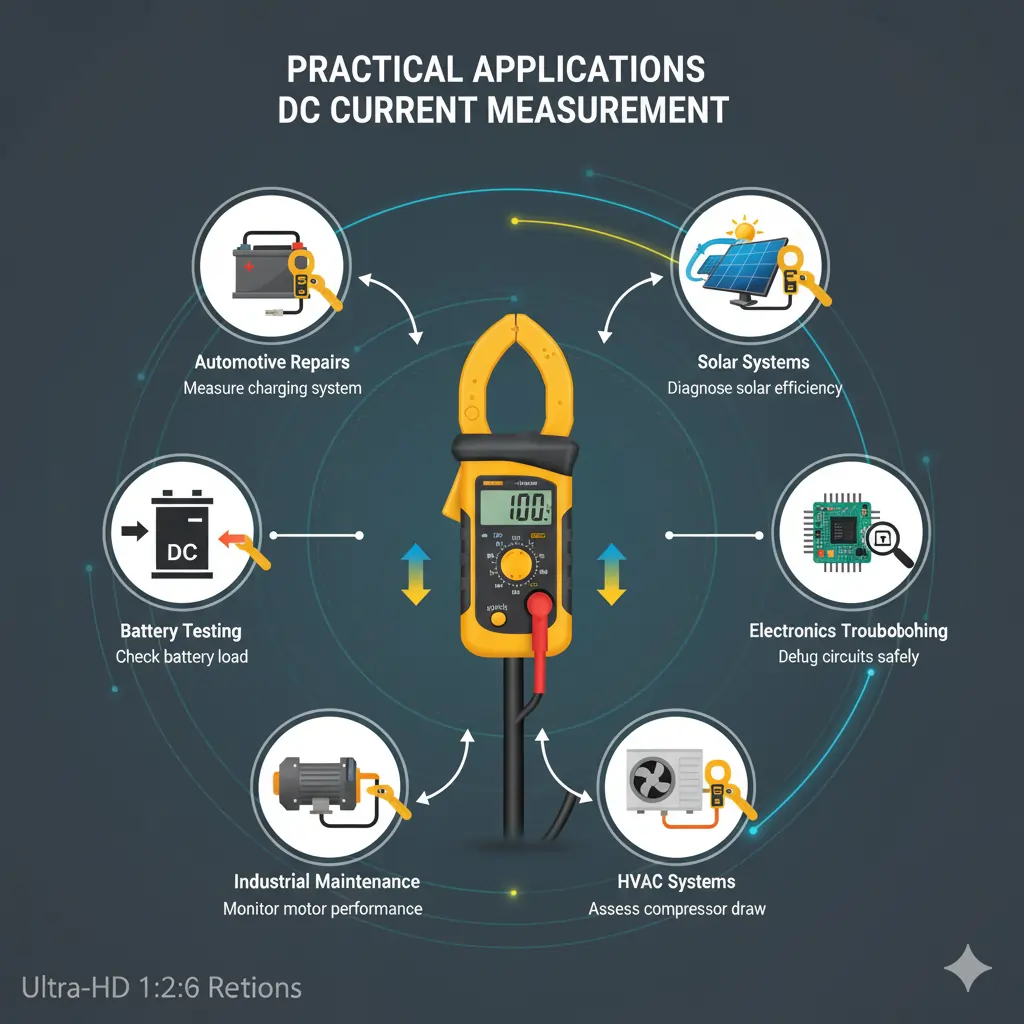
DC current measurement with a clamp meter is useful in a variety of fields, providing invaluable insight into electrical systems and devices. Accurate DC current measurement is essential for the following practical applications:
1-Automotive Repairs and Maintenance
The measurement of DC current is essential for automotive diagnostics. Mechanics uses a clamp meter to assess the health of a vehicle’s electrical system, such as its charging system and starter motor. The DC current flowing through a battery or alternator can be measured by technicians in order to identify issues and ensure optimal performance.
2-Solar Panel Systems
Monitoring the performance of solar panel systems with clamp meters is essential in the field of renewable energy. Technicians use them to identify faulty panels or wiring connections by measuring the DC current generated by solar panels. Maximizing energy production and system efficiency requires accurate measurements.
3-Battery Testing
Batteries are everywhere, whether in a car, an uninterruptible power supply, or a portable electronic device. By measuring DC current, you can assess a battery’s condition and performance. When a battery needs replacement or maintenance, you can measure the charging and discharging currents with a clamp meter.
4-Electronics Troubleshooting
DC current in circuits is frequently measured by electronics enthusiasts and professionals. Using clamp meters, you can measure current flow without interrupting the circuit. From small gadgets to industrial control systems, this is particularly useful for debugging and maintaining electronic devices.
Troubleshooting and Tips
Issues can sometimes arise despite a good understanding of how to measure DC amps with a clamp meter. To help you achieve accurate measurements and address potential challenges, here are some common troubleshooting tips:
Common Issues When Measuring DC Amps
Certain challenges may arise when using a clamp meter to measure DC current. A common problem is incorrectly positioning the clamp jaws, which can lead to inaccurate readings. The conductor must be fully enclosed and aligned within the jaws.
In addition, interference from nearby magnetic fields or other conductors can affect measurements. Reposition the clamp meter or use a shield to block external magnetic influences to mitigate this problem.
Tips for Accurate Measurements
Accurate DC current measurements require attention to detail when using a clamp meter. Calibrate and maintain your clamp meter regularly. Check the meter’s specifications to ensure it can measure the expected DC current range. When the current exceeds the capacity of the meter, use a higher-rated instrument. When measuring low DC currents, select the appropriate range on the clamp meter.
Handling Inrush Currents
Inrush currents, which occur when electrical devices are first started or when a sudden load is applied, can pose a challenge to clamp meters. If properly managed, these brief surges in current can produce accurate readings.
Consider using a clamp meter with a peak hold function for inrush currents, which captures and displays the maximum current value. To account for variations in current levels during startup, take multiple measurements.
What features should a clamp meter have?
The primary function of a clamp meter, also known as a clamp-on ammeter or current clamp, is to measure electrical current safely. To measure electric current flow without interrupting a circuit, it should have a clamp-like jaw that can be opened and closed around a conductor.
Current Range and Accuracy:
Current measurement is one of the key features of a clamp meter. A good current meter can measure currents from milliamps to hundreds of amps accurately. In order to ensure precise measurements for various applications, a clamp meter must be highly accurate.
Voltage Measurement:
A versatile clamp meter should also be capable of measuring voltage in addition to current. An electrician or technician can use this feature to assess both current and voltage in a circuit, providing valuable insight into the health and performance of the electrical system.
Safety Features:
Electrical work requires a high level of safety. Users should be protected from electrical hazards by clamp meters that incorporate overcurrent protection, voltage detectors, and sturdy, insulated housings.
Data Display and Logging:
It is essential to have an easy-to-read display that is informative. A clamp meter should provide clear readings of current and voltage. Data logging capabilities may also be available in some advanced models, allowing users to track and analyze measurements over time.
Auto-Ranging and Manual Range Selection:
An auto-ranging clamp meter simplifies measurement tasks by automatically selecting the right measurement range. For greater control and accuracy, users should also be able to manually set the range when required.
Resistance and Continuity Testing:
Clamp meters with resistance and continuity testing capabilities are ideal for troubleshooting electrical circuits. Wire and connection integrity can be checked, allowing faults or open circuits to be identified.
Temperature Measurement:
It is sometimes necessary to measure the temperature of electrical components to assess their health. In this situation, a clamp meter with temperature measurement capabilities can be a valuable tool.
Non-Contact Voltage Detection:
With non-contact voltage detection, users can identify live wires or circuits without physically touching them. When making measurements, it’s particularly useful to check whether a circuit is energized first.
Size and Portability:
In order to use clamp meters in tight spaces or on the go, they need to be compact and easy to carry. Long work sessions are made easier by ergonomic design and a comfortable grip.
Battery Life and Power Saving:
For clamp meters to remain operational, efficient power management is crucial. When not in use, it should have a long battery life and energy-saving features such as auto-shutdown.
Connectivity and Data Transfer:
Some clamp meters have Bluetooth or USB ports for data transfer to a computer or mobile device for more advanced applications. As a result, professionals are able to analyze and store measurements digitally.
Final words on how to measure DC amps with clamp meter?
Using a clamp meter to measure DC amps is a practical skill that is useful in a variety of fields, from automotive diagnostics to renewable energy installations. When you use the right equipment, follow proper techniques, and focus on safety, you can assess DC current levels confidently, troubleshoot electrical issues, and ensure the efficient operation of devices and systems.
FAQs about How to measure DC amps with clamp meter?
1. How Do I Know if My Clamp Meter is Set to DC Amps?
I always double-check the settings on my clamp meter to make sure it’s set to DC amperage mode. Most clamp meters have a “DC” symbol or label near the amperage scale. If you’re unsure, just refer to the meter’s user manual for the correct setting.
2. Can I Measure DC Amps on Multiple Wires at Once with a Clamp Meter?
I don’t recommend measuring DC amps on multiple wires at the same time. It’s important to clamp around only one conductor to get an accurate reading. Clamping around multiple wires can cause incorrect readings or interference.
3. Why Does My Clamp Meter Show Zero Amps Even Though the Circuit is Active?
If my clamp meter reads zero amps, I usually check if the clamp is correctly positioned around just one wire. It’s also possible that the meter isn’t in the correct setting or range for DC amps. I always ensure the meter is on the right mode and the wire is fully inside the clamp.
4. What’s the Maximum DC Current My Clamp Meter Can Measure?
The maximum DC current varies depending on the clamp meter model. I check the meter’s manual for its specific range, but most clamp meters can measure anything from a few milliamps to several hundred amps. Always make sure the meter’s capacity matches the current you’re testing to avoid damage.