


When wondering how to test a crankshaft sensor with a multimeter this query often comes up when we talk about the crankshaft sensor. In this article, we’ll discuss this query. The crankshaft position sensor (CPS) is a device used in modern motor vehicles to monitor the position and rotational speed of the crankshaft. The sensor works by measuring the rotational speed of the crankshaft and then calculating how far along it is in its cycle. This information is then used to control the ignition timing, fuel injection, and other engine functions.Without a crankshaft position sensor, an engine will not run properly. To effectively test this sensor, tools like the Milwaukee GIDDS2 288935 Digital Multimeter can be highly useful for accuracy.
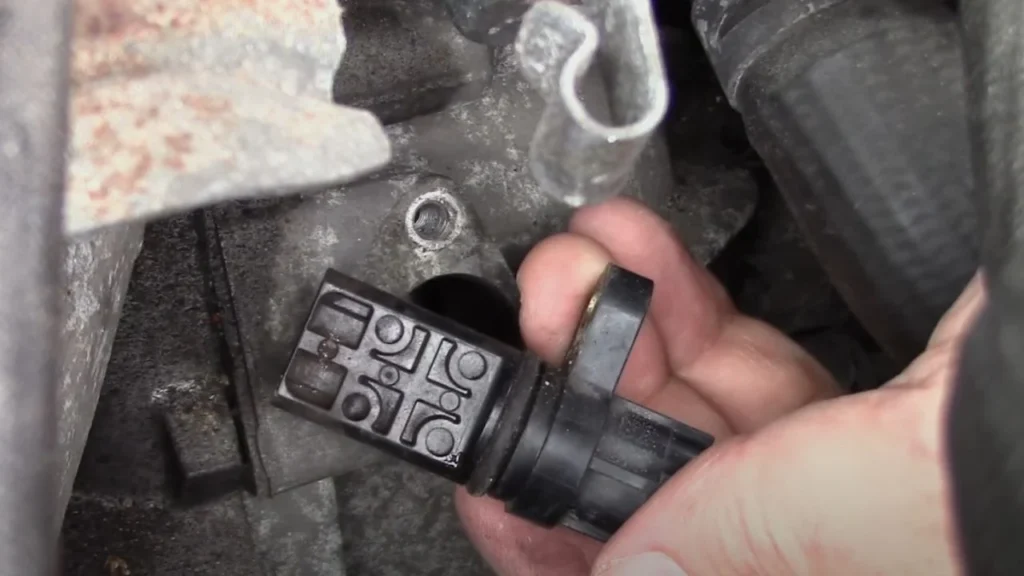
The sensor is often located near the crankshaft, on the engine block, or in the timing cover. It is usually a tiny electronic device with three wires connecting it to the vehicle’s computer system.
A Quick Look
| Quick Look: When testing a crankshaft sensor with a multimeter, I start by setting the multimeter to ohms and connecting it to the sensor’s wires. As I rotate the crankshaft, I look for voltage fluctuations. If the voltage stays constant, it means the sensor isn’t working properly and needs to be replaced. |
Crankshaft Sensor Testing Steps with a Multimeter | Table
Symptoms of a bad crankshaft sensor:
There are so many symptoms. Let’s get into it.
NOCO Boost Plus GB40
⭐ 4.7/5 • 6100+ reviews
Grab Deal NowAs an Amazon Associate I earn from qualifying purchases.
- Engine misfires or stalls:
- Decreased fuel economy
- Rough idle or hesitation when accelerating
- Check engine light
- No start condition
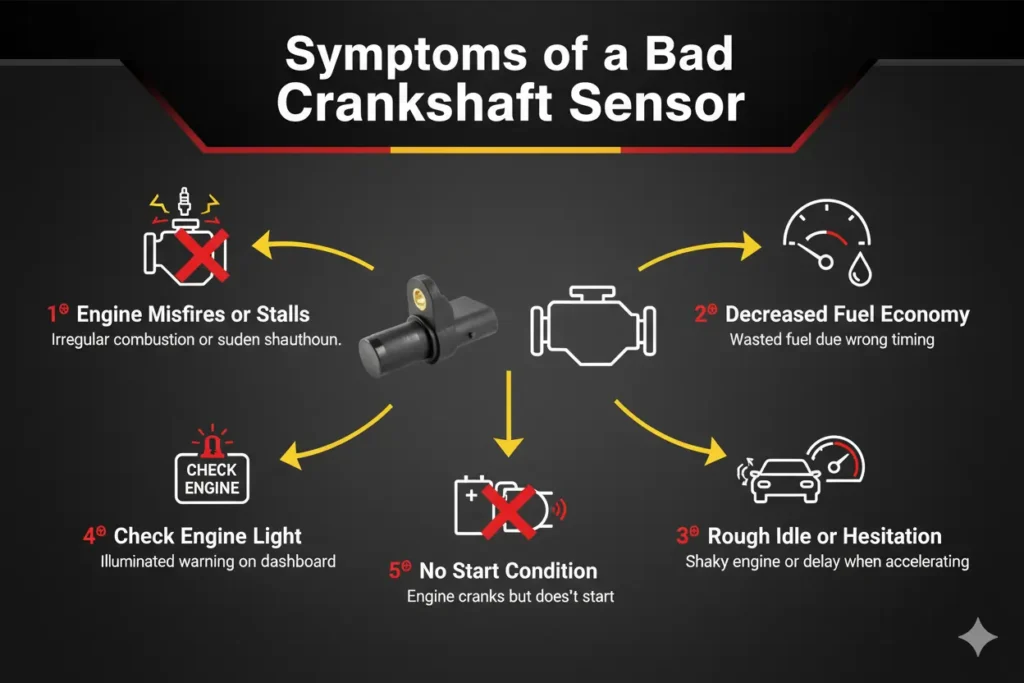
If your vehicle exhibits any of the above symptoms, it may be time to check the crankshaft position sensor. Learning how to test a crankshaft sensor with a multimeter can help you diagnose the issue yourself before consulting a qualified mechanic. A mechanic can confirm the problem and replace the sensor if necessary. A functioning crankshaft position sensor is essential for proper engine operation, so check it if you suspect a problem.To assist with the testing, a tool like the Milwaukee 2235-20 400 Amp Clamp Meter can be used to ensure accurate readings during the process.


Crank Sensor Types:
There are two common types.
Inductive crank sensor:

This type works with an electromagnet to detect changes in the crankshaft position.
Hall effect crank sensor:
This type uses a magnet attached to the crankshaft and detects changes in magnetic field strength. To check the functionality of this sensor, you can learn how to test a crankshaft sensor with a multimeter. Both types of sensors generate a signal sent to the vehicle’s computer. The computer then uses this information to control spark timing and fuel injection.To ensure proper testing of the crankshaft sensor you also use a reliable tool like the Fluke 113 Multimeter.
How To Test The Crankshaft Sensor With A Multimeter?
Here is a step-by-step guide to checking the crankshaft sensor with a multimeter.
Identify the position of the wire:
First, you need to identify the position of the wire for the crankshaft sensor. It will usually be found near the engine block or timing cover.
Set the multimeter to ohms:

Once you have identified the wire, set your multimeter to ohms and connect the two pins of the multimeter to the two wires connected to the crankshaft sensor. For precise results, use this tool the Fluke 115 which is known for its accuracy and reliability.
Test the crankshaft sensor:
Next, start the engine and slowly rotate the crankshaft. You should see a voltage reading that fluctuates as the crankshaft is also rotated. If the voltage reading stays constant, the crankshaft sensor is not functioning correctly and should be replaced.

Conclusion:
In conclusion, testing a crankshaft sensor with a multimeter is possible but can be tricky if you need to figure out what voltage levels should be present. Moreover, the best way to test the sensor accurately is by using a diagnostic scanner. If you don’t have access to one, consult an expert before attempting any repairs yourself. With the right resources and knowledge at your disposal, it’s easy to diagnose and fix problems related to crankshaft sensors to ensure that your vehicle runs smoothly and efficiently. Hope after reading this article you learn how to test a crankshaft sensor with a multimeter.
FAQs:
Q1.What is a crankshaft position sensor?
A crankshaft position sensor is a device using to measure the crankshaft’s position in an engine. The signal from the crankshaft position sensor is used by the engine control unit (ECU) to control ignition and fuel injection. The purpose of a crankshaft position sensor is to provide accurate data about the position of the crank so that the ECU can control ignition and fuel injection accordingly. If there were no way to measure crank position, then the ECU would have no way of knowing when to fire cylinders or inject fuel, leading to poor performance and decreased fuel economy.
Q2.What are the symptoms of a faulty crankshaft sensor?
A lousy crankshaft sensor can cause a car to stall, not start, or have problems starting. The engine may also misfire and have decreased power. If the sensor is wrong, it will not be able to provide the engine with the information it needs to know how fast it is rotating. Knowing how to test a crankshaft sensor with a multimeter is crucial in diagnosing this issue, as a faulty sensor can lead to the engine running too fast or too slow, causing a range of problems. In addition, the engine may have difficulty starting due to a lack of data from the sensor.
Q3.How can I test my crankshaft sensor?
The best way to test a crankshaft sensor is to use a diagnostic scanner. Also, the scanner can tell you if the sensor is reading correctly and whether or not it’s providing the correct input to your engine’s computer. If you don’t have access to a scanner, you can test the sensor with a multimeter. However, this is only likely accurate if you know what voltage levels should be present at different engine rotation points. If you’re unsure, it’s best to take the car to a mechanic and have them test it.