


I remember the first time I worked on my golf cart, and the Starter Solenoid seemed like a mystery. It’s the switch that connects the battery to the motor, and if it’s not working, your cart won’t start. Learning how to test a golf cart solenoid with a multimeter has saved me from plenty of headaches. In this guide, I’ll share the steps I use to check the solenoid and keep my cart running smoothly. Let’s get started and ensure your golf cart stays in great shape!
| Quick Look: When I test a golf cart solenoid with a multimeter, I first set the multimeter to measure resistance (ohms) and check the large terminals for continuity. Next, I switch to DC voltage mode, press the accelerator, and check the small terminals for battery voltage. If the readings are off, I know it’s time to replace the solenoid. |
Golf Cart Solenoid Testing (Quick Table)
What is a Golf Cart Solenoid?
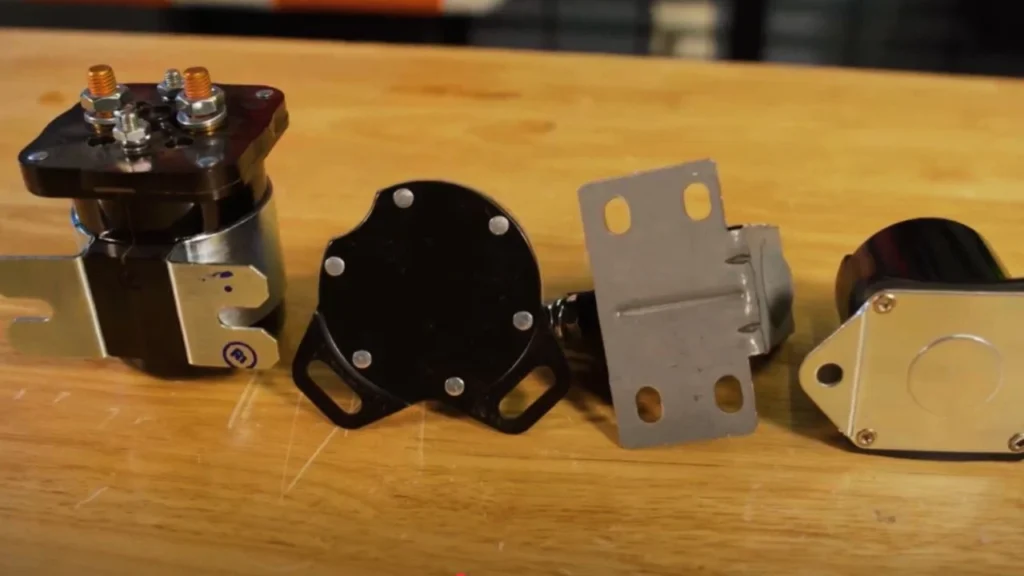
The solenoid in my golf cart is an electromagnetic switch that controls the power flow from the battery to the motor. When I press the accelerator, the solenoid kicks in, allowing current to reach the motor and making the cart move. Depending on the cart, it usually runs on either a 36V or 48V system.
A Quick Look
How it works is pretty cool the solenoid creates a magnetic field when I press the pedal, pulling a plunger that closes electrical contacts, letting power flow to the motor. As soon as I let go of the accelerator, the solenoid deactivates, cutting off the power. If the solenoid isn’t working, the cart won’t start or move, and I’ll usually hear a click when it’s functioning correctly. It’s honestly the power gatekeeper of the cart, and without it, nothing happens! If you ever find yourself in a situation where the solenoid isn’t working, you can try to jump a starter solenoid with a screwdriver to get things back up and running.
NOCO Boost Plus GB40
⭐ 4.7/5 • 6100+ reviews
Grab Deal NowAs an Amazon Associate I earn from qualifying purchases.
Signs of a Faulty Solenoid
1. No Clicking Sound
I’ve experienced this before when I press the accelerator or turn the key, I don’t hear that familiar click from the solenoid. That’s when I know something’s off. A faulty solenoid often means it’s not engaging correctly, and that click is its way of telling me it’s working. This is a classic case of golf cart electrical troubleshooting where identifying the issue with the solenoid can save you a lot of time and frustration. If you’re facing similar issues, it’s worth checking for electrical problems that might be affecting your cart’s performance.
2. Golf Cart Won’t Start
There’s nothing worse than turning the key or pressing the pedal, and nothing happens. Been there, done that. When my golf cart didn’t respond, it was usually a dead solenoid that wasn’t transferring power. It’s a major red flag that I always check first.
3. Intermittent Starting Issues
I’ve also had my golf cart start up fine one time but struggle to start the next. If the solenoid is working intermittently, it’s a sign it’s on its way out. It can be frustrating to diagnose, but I’ve found that testing the solenoid’s resistance and voltage reveals whether the solenoid’s working properly.
4. Burning Smell or Discoloration
If I ever get a burning smell around the solenoid or notice any discoloration on it, I know it’s overheating. This has happened to me before, and I had to replace the solenoid immediately. It’s never a good sign when heat and electricity don’t mix well.
5. Corrosion on the Terminals
Sometimes, I’d find corrosion building up around the solenoid terminals. Cleaning light corrosion with a contact cleaner can help, but if the corrosion is heavy, it’s time to replace the solenoid. I’ve learned that keeping the terminals clean can extend the solenoid’s lifespan.
Tools Needed for Testing a Golf Cart Solenoid
Before diving into the testing process, let’s make sure we’ve got the right tools at hand. Trust me, having the right gear makes everything so much smoother. Here’s what I usually keep nearby whenever I’m testing a golf cart solenoid, or specifically when I need to know how to test a golf cart solenoid with a multimeter: the Amprobe AM-500 Multimeter, which is perfect for precise measurements and easy use.
Multimeter
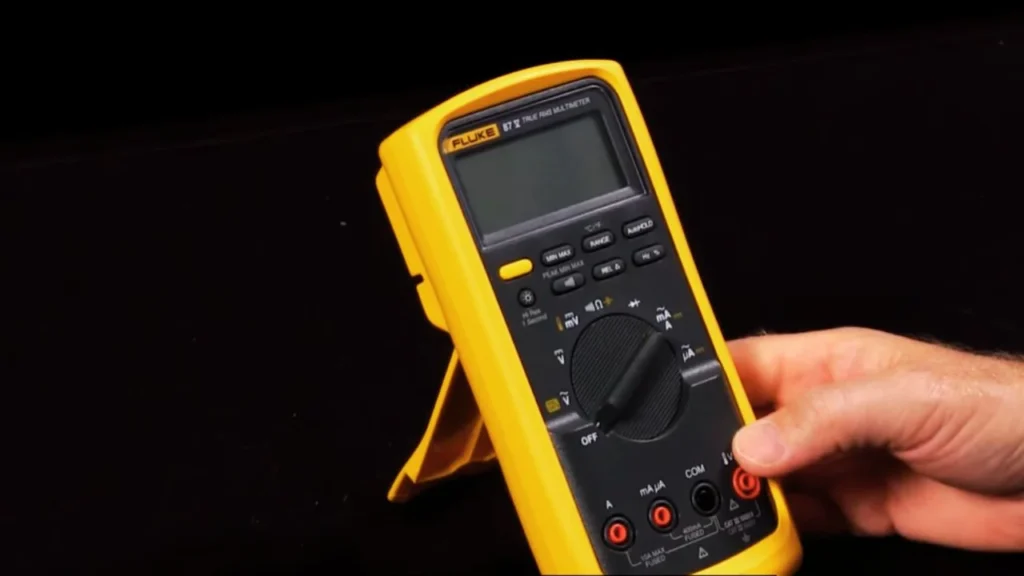
First and foremost, you’re going to need a digital multimeter. This is the star of the show. I use a True RMS multimeter (like the Fluke 87V Max), which gives accurate readings even with fluctuating signals. I prefer one with at least a 600V DC rating, which is more than enough for most golf carts. Make sure your multimeter has settings for both voltage (DC) and resistance (Ohms), as you’ll need these to test the solenoid properly.
Wrenches and Screwdrivers
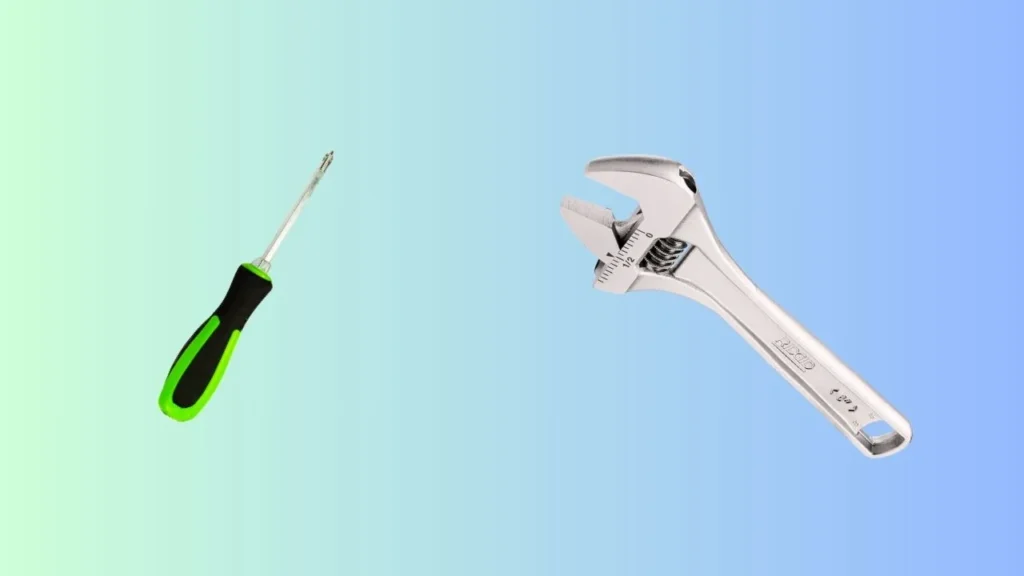
You’ll also need a set of wrenches and screwdrivers for removing the solenoid. The bolts and screws on the solenoid are typically 1/2-inch or 3/8-inch, but it’s always a good idea to have a variety of sizes handy, just in case. I’ve found that having a ratchet wrench really speeds up the job, especially when dealing with tight spaces under the hood.
Safety Gear

It’s always good practice to have some basic safety gear on hand, just to be extra cautious. I always wear rubber gloves when working around electrical components, even though I know the golf cart battery is disconnected. It’s just a safety habit. Also, I keep safety glasses nearby, just in case something unexpected happens.
Battery Terminal Cleaner

Sometimes, it’s not the solenoid at all it could be a dirty connection. I recommend having a battery terminal cleaner or some contact cleaner on hand. This ensures there’s no corrosion or grime on the terminals that could mess up your readings. Trust me, I’ve learned this lesson the hard way.
Electrical Tape
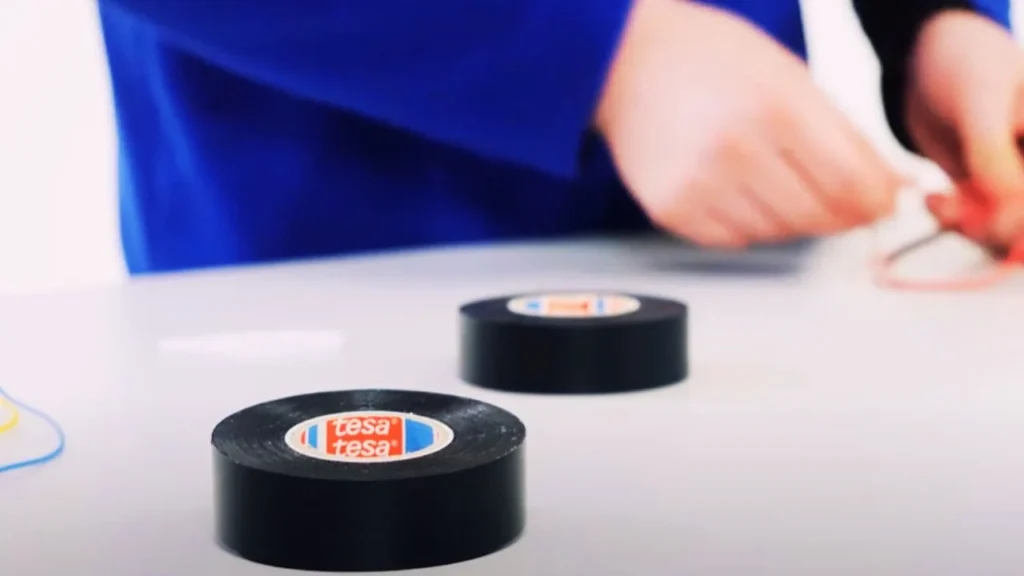
Electrical tape comes in handy if you need to temporarily secure any loose wires or prevent any short circuits while you’re working. It’s a small tool, but it has saved me a few times from dealing with bigger issues. I always keep a roll in my toolbox for those “just-in-case” moments.
Step-by-Step Guide to Testing a Golf Cart Solenoid
Alright, let’s jump right into the hands-on part of how to test a golf cart solenoid with a multimeter. When I first tried this, I thought it might be complicated, but once you break it down, it’s actually pretty simple. I’m going to walk you through exactly how I do it, step by step, using the Milwaukee GIDDS2-288935 Digital Multimeter, which makes testing precise and straightforward.
Step 1: Get Ready for Action
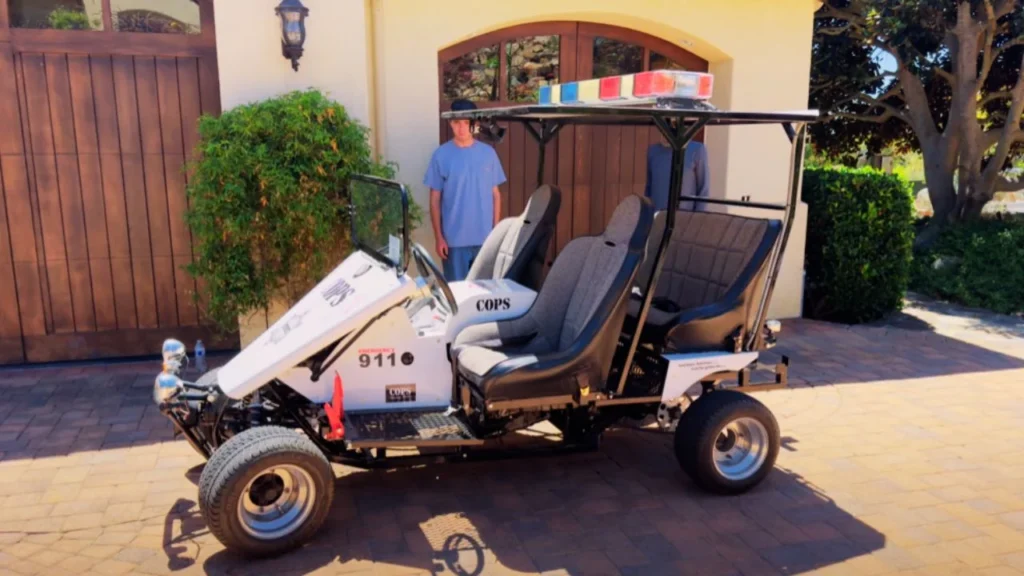
Before I even think about testing the solenoid, I always make sure the golf cart is turned off and the battery is disconnected. It’s crucial to stay safe, and this simple step makes sure you don’t get any unexpected shocks. I’ve learned the hard way that safety always comes first! Once the battery is off, you’re ready to follow the multimeter solenoid testing guide, and for that, the All-Around Fluke Multimeter is my go-to tool to ensure accurate readings. No rush – take your time.
Step 2: Test for Resistance (Ohms)
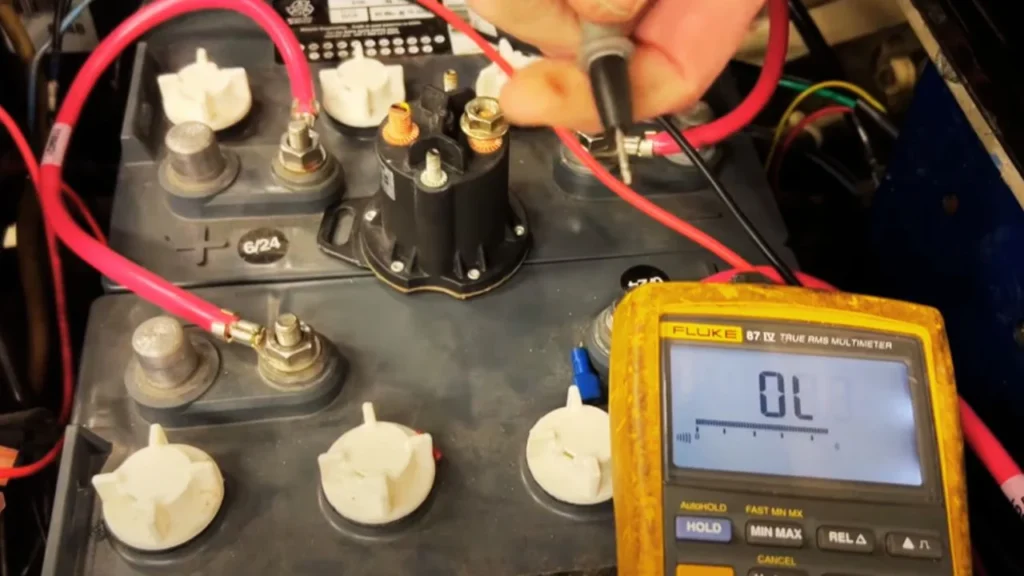
Now, I grab my trusty multimeter and set it to measure resistance – or Ohms – which is the best way to check if the solenoid’s internal components are in good shape. I typically set my multimeter to the lowest setting, usually between 200 and 1000 ohms. That range is perfect for testing solenoids.
Here’s where it gets interesting: I place the two multimeter probes on the large terminals of the solenoid – one probe on each terminal. The reading should fall between 0.5 and 2.0 ohms. If the number is higher than that, something’s off. If the display shows “OL” or infinite resistance, the solenoid is probably dead, and I know it’s time to replace it. For reliable results, I always trust my Fluke 15B Multimeter, which gives accurate readings every time.
Step 3: Voltage Test The Big Moment
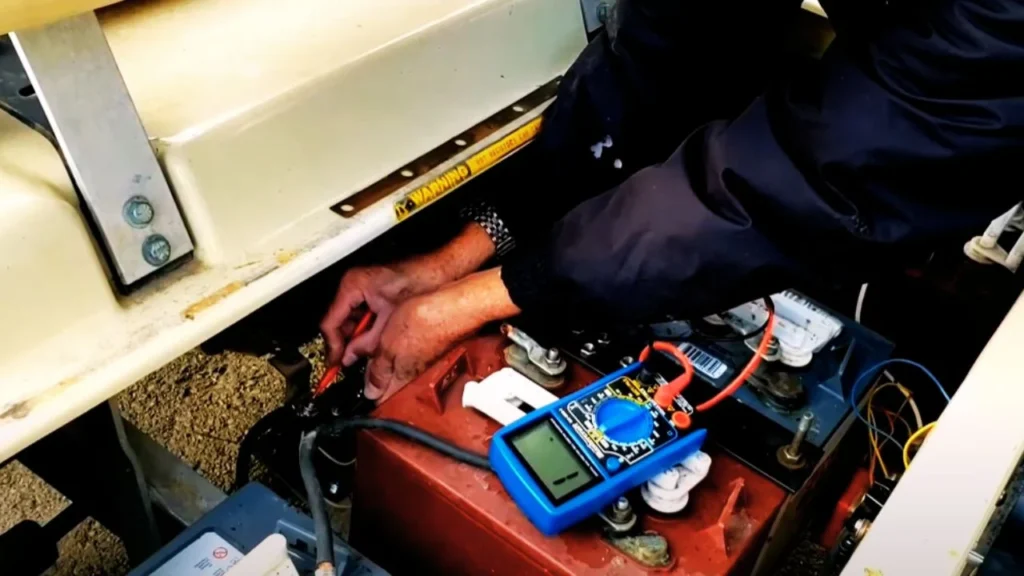
Once the resistance test is done, I switch to testing the voltage. This is where I get to see if the solenoid is actually getting power when it’s supposed to, which is crucial for diagnosing solenoid issues with a multimeter.
I set my multimeter to measure DC voltage, usually around the 20V setting. Then, I hook up the red probe to the positive terminal and the black probe to the negative terminal of the solenoid. Now comes the fun part: while someone else turns the golf cart on and presses the accelerator, I check the multimeter. The voltage should read around 12V to 14V when the solenoid is activated. If it’s lower than that, like around 11V or less, I start getting suspicious that the solenoid isn’t doing its job properly.
Interpreting the Test Results
Once you’ve taken the readings, here’s how to interpret them:
- No Resistance or Low Voltage: If your solenoid shows no resistance or a voltage reading below 10.5V, it could mean the solenoid is damaged. A good solenoid should show some resistance (around 0.1 to 0.5 ohms), and voltage should be at least 12V for a 12V system.
- High Resistance or Zero Voltage: A resistance reading higher than 1 ohm or zero voltage usually indicates a problem with the solenoid or wiring. In these cases, check the connections, and if that doesn’t help, the solenoid may need replacing.
Maintenance Tips for Your Golf Cart Solenoid
- Inspect Regularly: Every few months, I make it a habit to visually check for corrosion, rust, or loose connections. Even small issues can turn into bigger problems if ignored.
- Check Connections: I always double-check that all the wires are tightly secured. Loose wires are a common culprit behind many solenoid problems.
- Test Voltage: I like to test the voltage every few months, ensuring it’s around 12V. This helps me catch any power issues early on.
- Clean Often: Dust can build up, so I use compressed air to keep the solenoid clean and prevent electrical interference.
- Use Anti-Corrosion Spray: A quick spray of contact cleaner or anti-corrosion spray can prevent rust and keep things running smoothly.
- Watch for Coil Issues: If you hear your solenoid not clicking properly, the coil might be worn. It’s something I’ve had to replace once, so keep an ear out.
- Check Resistance: I recommend testing the resistance once a year. If the reading is too high, it’s time to replace the solenoid.
Wrap-Up
Keeping your golf cart solenoid in good shape is crucial for smooth rides and long-lasting performance. By following the steps on how to test a golf cart solenoid with a multimeter, checking for wear, and performing regular maintenance, you can avoid unnecessary breakdowns and costly repairs. Remember, a well-maintained solenoid means more fun on the course and fewer frustrations. So, stay proactive, and you’ll be cruising around with confidence!