


I’ve dealt with my fair share of signs of electrical problems at home. Some were small, like a flickering light. Others were serious, like a burning smell from an outlet. Electrical issues aren’t just annoying—they can be dangerous. According to the U.S. Fire Administration, faulty wiring causes over 24,000 house fires yearly.
The good news? Many signs of electrical problems in your home give clear warning signals before they turn serious. Let’s go over the biggest red flags and what to do about them.
A Quick Look
| Quick look: As someone who’s handled electrical problems for years, I can tell you that tripped breakers, dead outlets, and flickering lights are often the first signs of trouble. Warm outlets, buzzing noises, and sparks from outlets are dangerous and can lead to fire hazards. High energy bills can point to faulty wiring. I’ll break down each of these issues and share the best ways to address them. |
Quick Fixes at a Glance
10 Specific Signs of Electrical Problems in Your Home
- Tripped Circuit Breakers – Frequent trips could signal overloaded circuits or faulty wiring.
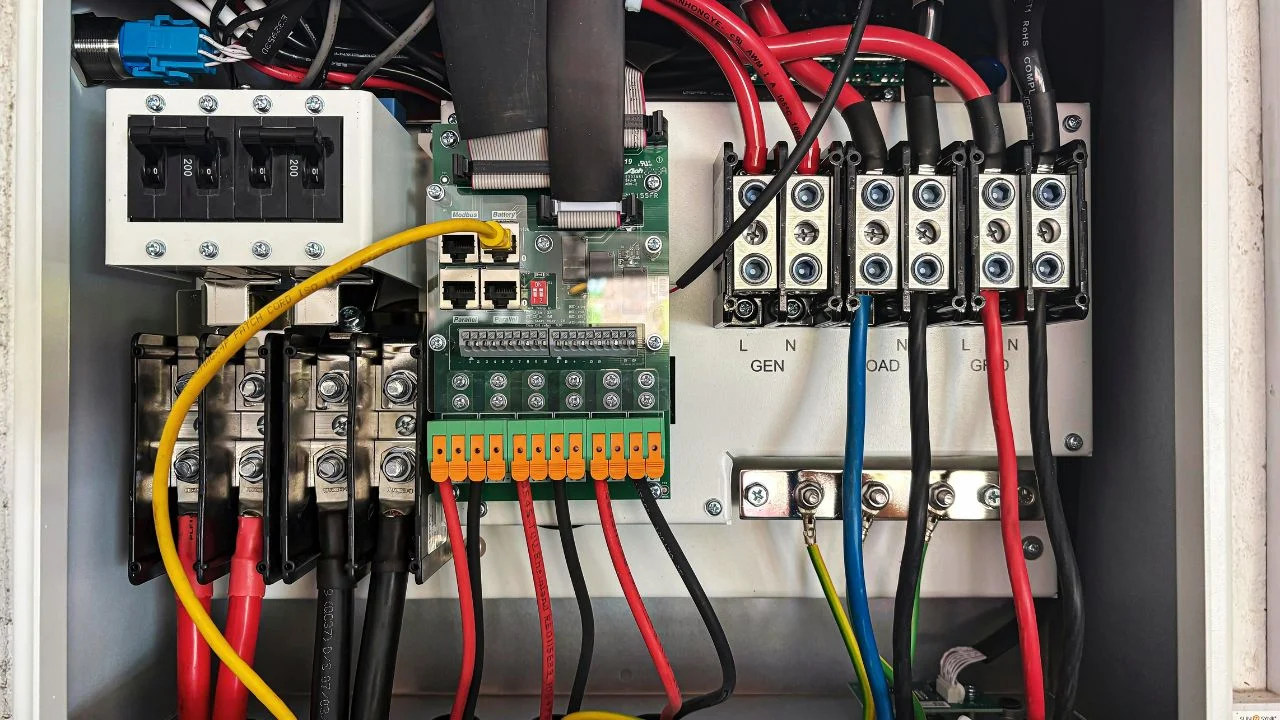
- Dead Outlets – Unresponsive outlets may be due to a tripped breaker or faulty wiring.

- Flickering Lights – Lights that flicker or dim unpredictably could indicate loose wiring or deeper issues.

- Warm Switches or Outlets – If switches or outlets feel warm, it may indicate an overloaded circuit or damaged wiring.
- Buzzing Noises – Buzzing outlets or switches often signal loose wiring or overloaded circuits. I’ve dealt with this before, and it’s never a good sign. If you hear a persistent buzzing noise, don’t ignore it—it could indicate a fire risk
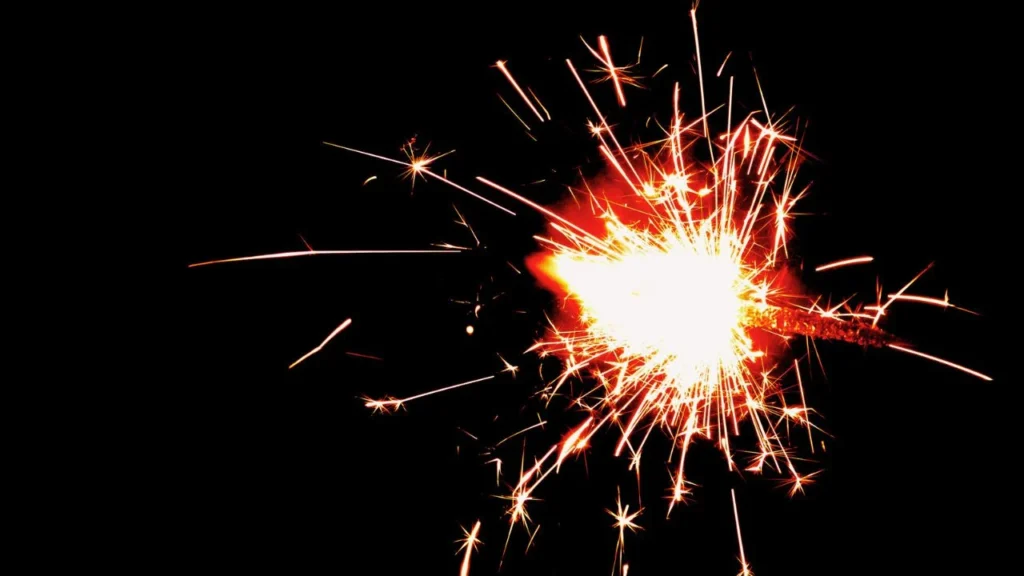
- Sparks or Arcing – Sparks from an outlet or switch are a serious concern, usually caused by loose connections or damaged wiring. First, you need to know why your outlet is sparking. In most cases, it happens due to loose wiring, overloaded circuits, or worn-out outlets. Ignoring this can lead to dangerous electrical fires
- High Energy Bills – Unexpectedly high bills could signal faulty wiring or inefficient appliances.
- Electric Shocks from Appliances – Getting shocked by an appliance indicates poor grounding or faulty wiring.
- Water-Damaged Outlets – Water exposure can lead to short circuits, arcing, or fires—shut off power and inspect.
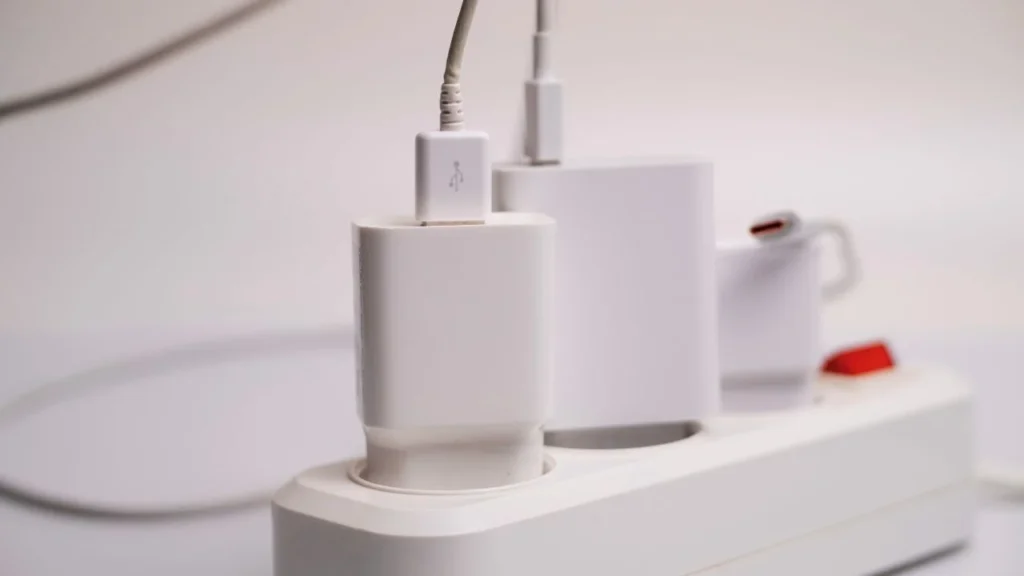
- Overloaded Circuits – Too many devices on one outlet can overload the circuit, causing trips or fire hazards.
Safety Tips Before Diagnosing Electrical Problems
Before I start diagnosing any electrical issue at home, I always make sure I’m staying safe. Electricity isn’t something to mess around with—it can be dangerous if you’re not careful. Here are some key safety steps I follow before troubleshooting:
NOCO Boost Plus GB40
⭐ 4.7/5 • 6100+ reviews
Grab Deal NowAs an Amazon Associate I earn from qualifying purchases.
- Turn off the power. I always switch off the circuit breaker or remove the fuse for the area I’m working on. Double-checking that the power is off is a must.
- Use a voltage tester. Before touching any wires or outlets, I always double-check the outlet with a voltage tester. Even after shutting off the breaker, some wires might still carry current due to back feeding or faulty wiring. A quick test can prevent a serious shock. You can also use a multimeter to test a outlet to ensure it’s working properly
- Wear rubber-soled shoes. Standing on a dry, non-conductive surface (like a rubber mat) reduces the risk of electric shock. I never work barefoot or on a wet floor.
- Avoid water. Water and electricity don’t mix. If an outlet or wire is near a sink or wet area, I wait until it’s completely dry before doing anything.
- Use insulated tools. I always check that my screwdriver and pliers have insulated handles. Regular metal tools can be risky if they touch a live wire
Dangerous Electrical Hazards
I’ve seen firsthand how signs of electrical problems in your home can turn into serious hazards. Some issues aren’t just annoying—they’re downright dangerous. If ignored, they can lead to fires, electrocution, or expensive repairs. Let me walk you through the ones that need immediate attention.
Outdated Wiring
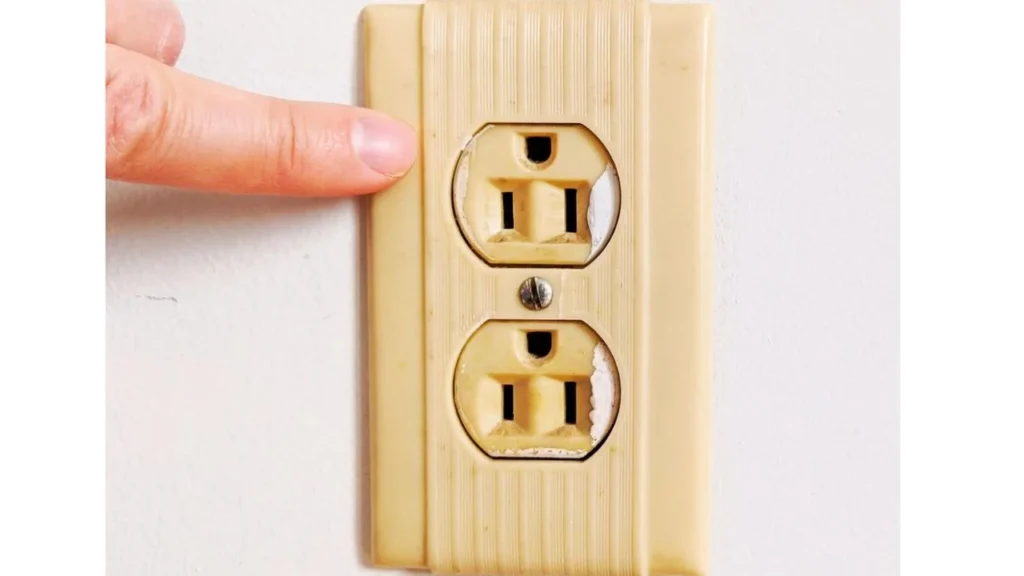
Old wiring is a hidden danger in many homes, and I’ve dealt with it more times than I can count. If your house was built before 1980, chances are it has aluminum or knob-and-tube wiring. These systems weren’t designed for today’s power demands, and they’re prone to overheating.
I always tell people to watch for warning signs like frequently tripped breakers, flickering lights, or a burning smell near outlets. Outdated wiring is responsible for 24,000 home fires every year in the U.S. It’s not just about safety—it can also lead to costly electrical failures. If you notice these signs, don’t wait. Call a licensed electrician before things get worse.
Overloaded Circuits
Many people don’t realize that there’s a limit to how many outlets can be on one breaker safely.. I learned this the hard way when I overloaded a circuit by running too many appliances at once. My breaker tripped constantly, my outlets felt warm, and my lights flickered every time I plugged in something extra. At first, I ignored the signs, but after reading up on circuit load limits, I realized I was putting my home at risk.
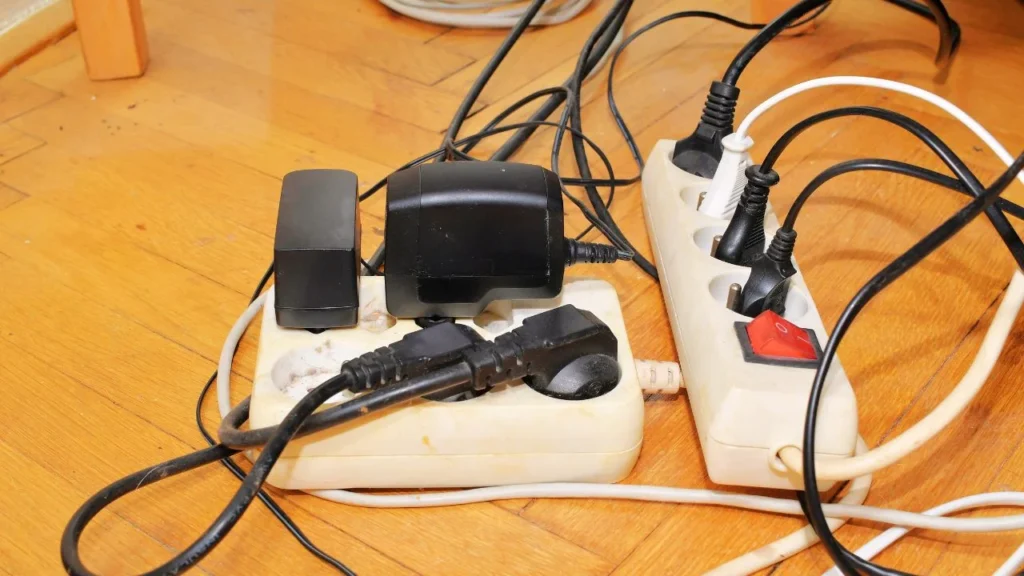
The National Fire Protection Association reports that overloaded circuits cause 5,300 fires every year. I always recommend unplugging devices you aren’t using, spreading out high-power appliances across different circuits, and upgrading your electrical panel if your home is older.
Exposed Wires
If I ever see bare or frayed wires in a home, I know there’s trouble. Wiring can wear down from age, pests, or overheating, and once the insulation is gone, it becomes a serious risk. If you ever notice visible copper wiring, feel small shocks when touching a switch, or see sparks when plugging something in, don’t ignore it.

Exposed wires can lead to electrocution or short circuits that start fires. I always tell people the same thing—never touch an exposed wire. Turn off the power at the breaker and call an electrician right away. It’s not worth the risk.
Faulty Smoke Detectors
Smoke detectors are one of the most overlooked safety devices in a home, and I’ve seen too many cases where they weren’t working when they were needed most. If your alarm doesn’t sound when tested, goes off randomly, or is over 10 years old, it might not protect you in an emergency.
Three out of five home fire deaths happen in houses without working smoke detectors. I make it a habit to test mine every month, replace the batteries once a year, and install a new unit every decade. It’s a simple step that can save lives.
Don’t Ignore These Signs
I’ve seen what happens when signs of electrical problems in your home are ignored, and it’s never good. If you notice any of these warning signs, take action fast. Some small issues have easy fixes, but serious hazards need a professional. Up next, I’ll show you how to prevent these problems before they start.
Prevention & DIY Safety
Avoid Electrical Disasters
I’ve seen too many homes suffer from preventable electrical issues. A little maintenance can save you from expensive repairs and fire risks. According to the U.S. Fire Administration, faulty wiring causes 24,200 house fires annually. Prevention is key.

✔ Check outlets & cords monthly – Look for scorch marks, loose plugs, or frayed wires.
✔ Don’t overload circuits – Plugging too many devices into one outlet is a fire hazard.
✔ Test GFCI outlets – Testing GFCI outlets regularly is a must. Press the ‘test’ button monthly to ensure they trip correctly. Using a top outlet tester can make this process even easier by confirming if the wiring is correct and if the outlet is working safely
✔ Replace old wiring – Homes over 40 years old may need rewiring to meet safety codes.
✔ Schedule inspections – An electrician should check your home every 3-5 years.
Ignoring these steps can lead to major electrical problems in your home. A quick inspection now can prevent bigger issues later.
Fix or Call a Pro?
I’ve handled simple electrical fixes myself, but I also know when to step back. Not all electrical work is DIY-friendly.
Final Thoughts
I know electrical problems can be dangerous, so I never ignore the warning signs. If I smell burning or my breakers trip often, I call an electrician. For minor issues, I fix them fast to avoid bigger, costlier problems. My home’s safety comes first, so I stay alert and take action when needed!
FAQs
1. What are the most common Signs of Electrical Problems in Your Home?
Frequent breaker trips, flickering lights, warm outlets, buzzing sounds, and sparking outlets are the major warning signs of electrical problems in your home. If you smell burning or feel a shock from an appliance, call an electrician immediately.
2. Can I fix electrical problems myself?
You can reset a breaker or replace a light switch cover, but exposed wires, faulty circuits, or overheating outlets should be handled by a professional. Electrical work is risky if done wrong.
3. When should I call an electrician?
If your outlets feel hot, your lights dim when using appliances, or your breaker trips often, call an electrician. Delaying repairs can turn a small issue into a major hazard.
4. Is outdated wiring dangerous?
Yes, old wiring can’t handle modern electrical loads, increasing the risk of fires. If your home is over 40 years old or still has two-prong outlets, it’s time for an inspection.