
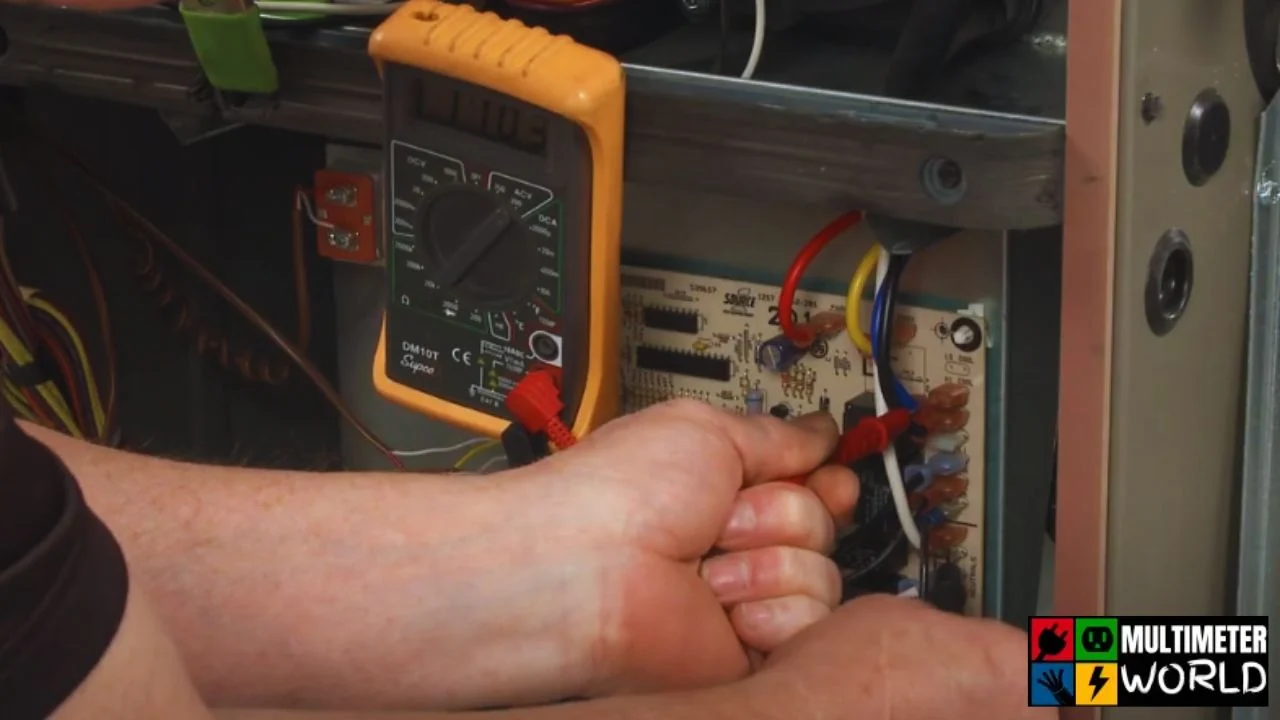

If you need to know how to Test an HVAC Blower Motor with a Multimeter your curiosity will soon end. A blower motor is an essential HVAC system component responsible for circulating air throughout your home or business.
It’s a vital part of the system that helps keep you comfortable in any season and can help reduce energy costs. When it malfunctions, it can cause significant discomfort and expense.
A Quick Look
Fortunately there are ways to test the blower motor with a multimeter to determine if there is an issue before needing to replace it.
NOCO Boost Plus GB40
⭐ 4.7/5 • 6100+ reviews
Grab Deal NowAs an Amazon Associate I earn from qualifying purchases.
| Quick Look: When I test an HVAC blower motor with my multimeter, I first set it to measure resistance for the motor and capacitor, and voltage for the relay. I look for normal readings 0-30 ohms for the motor, 3-10 ohms for the capacitor, and 0-24V for the relay. If any readings are off, I know the motor, capacitor, or relay might need replacing, or it’s time to call in an HVAC technician. |
HVAC Blower Motor Testing with Multimeter Table
Ultimate Steps Of How To Test HVAC Blower Motor With Multimeter
By following these simple steps and using your UNI-T UT161E multimeter to test the blower motor, you can easily identify any potential issues with your HVAC system without needing to remove the blower motor.
What is a Blower Motor and What Does it Do
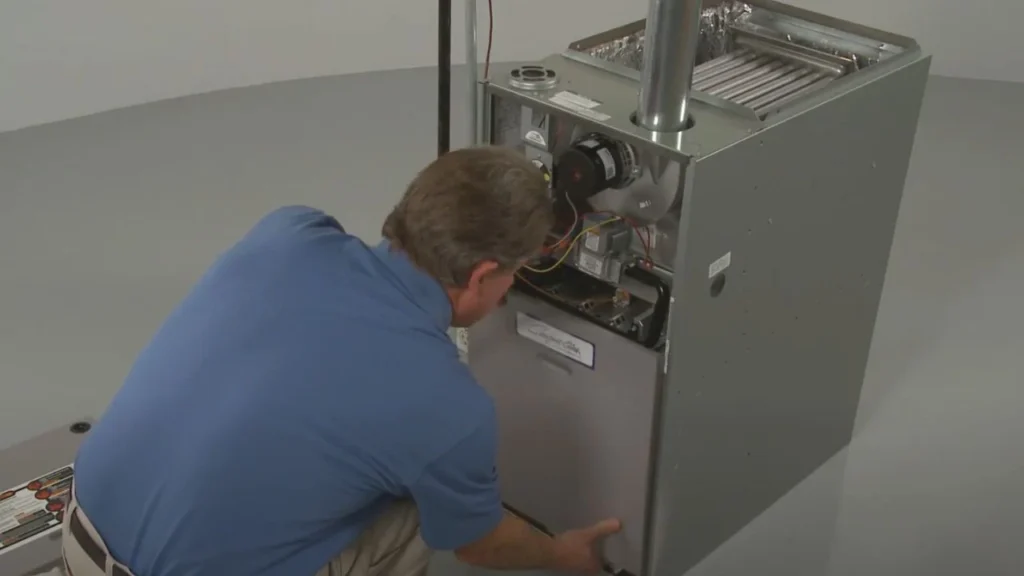
A blower motor is an important component of your heating, ventilation, and air conditioning (HVAC) system. It’s responsible for blowing hot or cold air into your home’s ductwork and with a clamp meter you can easily check whether it’s drawing the correct current to function efficiently.
When the blower motor fails, HVAC systems become inefficient, leading to higher energy bills and uncomfortable climates in your home.
The good news is that blower motors can be tested to diagnose problems. They may have before they fail. This article will explain how to use a multimeter to test a blower motor’s operation, what the different readings mean, and how to troubleshoot if something isn’t working.
Understanding the Components of a Blower Motor
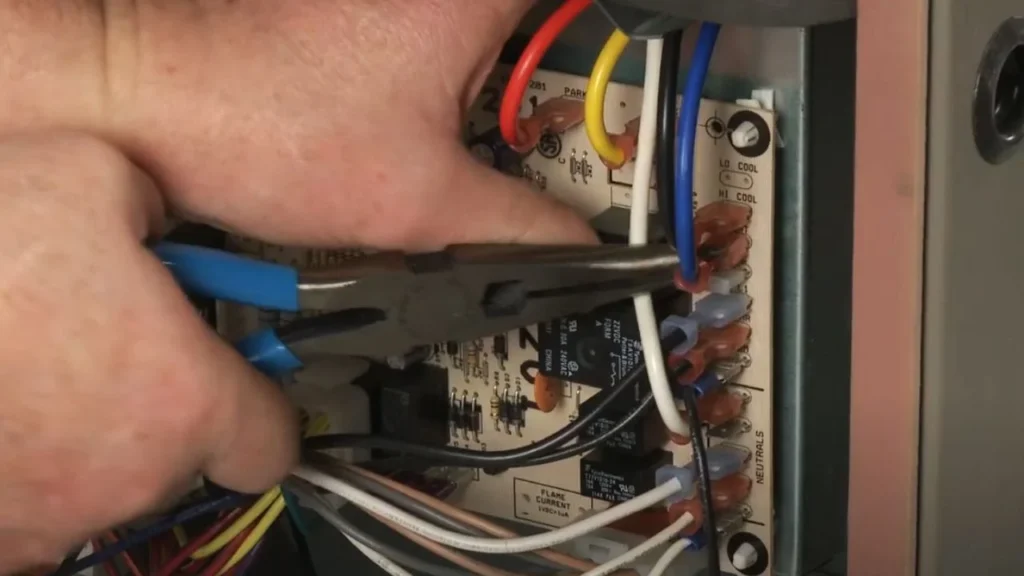
Blower motors usually comprise three main parts: the motor, capacitor, and relay. The motor creates movement that rotates the fan blades to blow air through the ducts. The capacitor stores energy to start the motor when it is turned on.
And the relay acts as a switch, sending power to the ac capacitor to start the motor’s operation when requested. To test a blower motor with a multimeter, you must understand how these three components work together. A multimeter can measure resistance and voltage to diagnose any issues with the motor, capacitor, and relay.
Preparing Your Multimeter for Testing
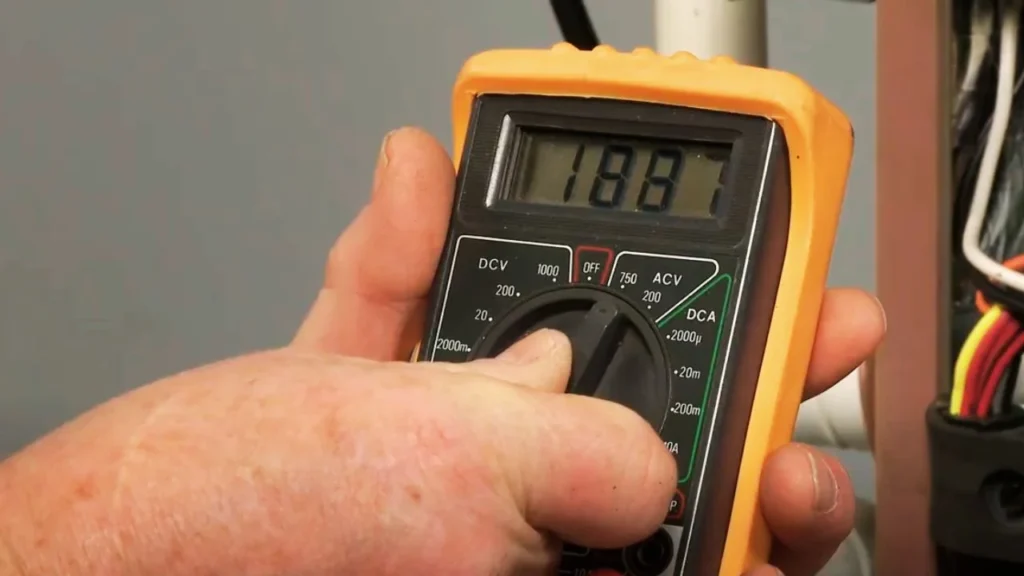
Before you begin testing your blower motor, it’s important to ensure your multimeter, like the uni-t ut33b multimeter, is ready. Take the time to set up your meter so it’s in the correct mode for testing. You should also ensure that the leads are properly connected to the meter and not touching each other.
It’s also important to ensure that your multimeter is set to measure the correct type of electricity, either AC (alternating current) or DC (direct current). Most blower motors use AC power, so you should set your meter accordingly.
How to Test the Blower Motor Without Removing It
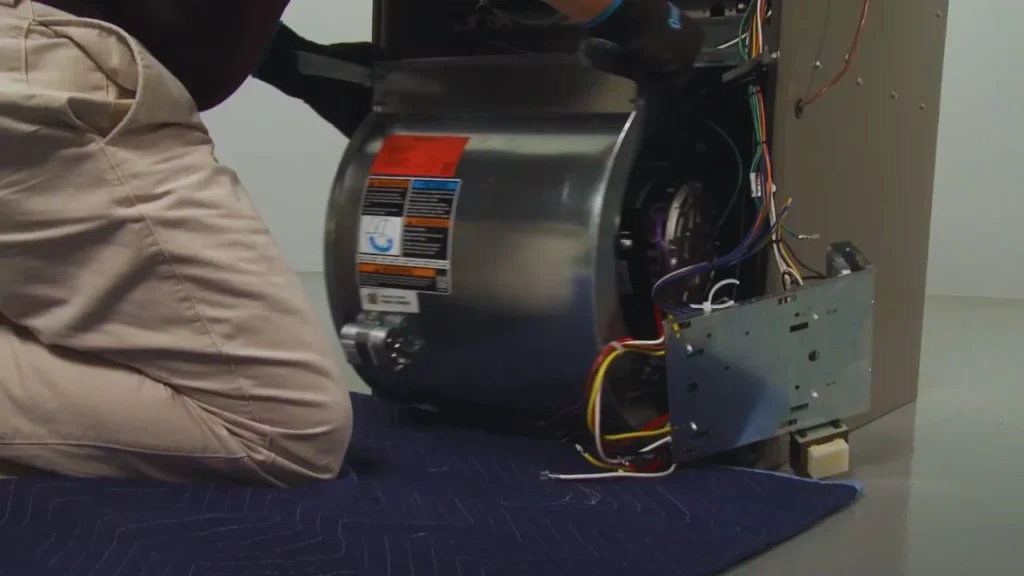
To test a blower motor without removing it, first, you need to disconnect the power supply. Once that’s done, you can use your multimeter to measure resistance and voltage in the three components: the motor, capacitor, and relay. To test the motor, set your multimeter to measure resistance and then connect the leads to the motor’s terminals.
If it works properly, you should get a reading of 0-30 ohms. To test the capacitor, use the same method but look for a 3-10 ohms reading. And finally, to test the relay, set your meter to measure voltage and then connect the leads to the terminals of the relay. A reading of between 0-24 volts is normal.
Troubleshooting Tips for When Nothing Happens
If you’re testing a blower motor and nothing happens when it should (i.e., when you turn on the power supply), there may be a problem with one of the three components. It’s important to follow up and troubleshoot to identify any issues that are preventing the blower motor from starting.
If you get a low resistance reading when testing the motor, it could indicate that the bearing has gone bad and needs to be replaced. If you get a low voltage reading when testing the relay, it could indicate an issue with the power supply or wiring.
And if you get a high resistance reading when testing the capacitor, it could mean an issue with its charge.
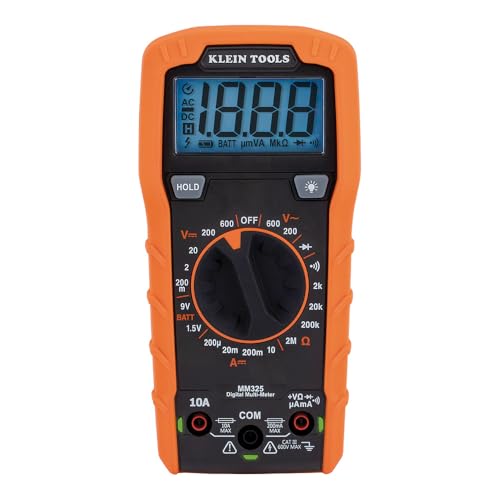

What to Do If You’re Experiencing Problems With Your Blower Motor
If you’re experiencing problems with your blower motor, it’s important to have it inspected by a qualified HVAC technician. They will be able to diagnose any issues properly. Moreover, they can also recommend the best course of action for repairing or replacing the motor.
Learning how to test an HVAC blower motor with a multimeter can also be incredibly helpful for troubleshooting basic issues before calling in a professional. It’s important to follow any manufacturer’s instructions when installing or testing your blower motor to ensure that everything is working properly and safely.
If all tests come back normal, then you can rest assured that your HVAC system is running efficiently, and you don’t need to worry about any further maintenance or repairs. With regular testing, you can be sure your HVAC system will continue to keep your home or business comfortable for years to come.
Conclusion
Testing a blower motor with UNI-T UT33A multimeter is an effective way to diagnose any issues before they become costly repair bills. This article has provided an overview of how to test a blower motor with a multimeter.
By following the steps outlined in this article, you can easily test each component (motor, capacitor, and relay) to identify any problems causing your blower motor to malfunction.
However, if you’re still experiencing problems after testing the components, it’s important to consult with a qualified HVAC technician for further assistance. With a few simple steps and the right tools, you can easily test your blower motor and ensure it works as it should.
By taking the time to understand each component and following these steps, you can quickly diagnose any issues and make sure your blower motor is functioning properly.
FAQs
Q1. How can I tell if my blower motor is completely broken?
If your blower motor is completely broken, you may notice that the air is not circulating properly or that your HVAC system is not producing hot or cold air. Testing the motor with a multimeter will reveal whether there is a lack of power or if the resistance is out of the expected range, indicating a potential motor failure.
Q2. What is the ideal resistance reading for a blower motor?
The ideal resistance reading for a blower motor should fall between 0-30 ohms. If the reading is outside of this range, it could mean there is an issue with the motor’s windings, such as a short circuit or an open circuit.
Q3. Can I fix a faulty blower motor myself?
While you can diagnose issues with your blower motor using a multimeter, fixing a faulty motor often requires replacing the motor or components like the capacitor or relay. If you’re unfamiliar with working on HVAC systems, it’s best to contact a licensed technician for repairs or replacements.
Q4. What should I do if my blower motor is not receiving power
If your blower motor is not receiving power, first ensure that the power supply is connected and functioning. If the relay is faulty, it could prevent the motor from getting power. A voltage test using your multimeter can help determine if the relay or other components need attention or replacement. To go a step further, you can also check how to test an HVAC blower motor with a multimeter to confirm if the motor itself is malfunctioning and in need of repair or replacement.