


Multimeters are also known as electrical testers. You can test almost every electrical appliance with it. All electrical appliances have plenty of wires some for power, and some for control. If you’re wondering how to test electrical wires with a multimeter this tool makes it easy to check for voltage, continuity, and more. Now the question arises of how to test electrical wires with multimeter. Don’t worry its quite simple.
| Quick look: When testing electrical wires, I first disconnect the power and choose the right multimeter. I set it to continuity for dead wires and check the test leads. For live wires, I select the highest voltage range and trace the wire carefully, ensuring safety. Always remember to use proper insulation and safety gear during the process. |
Electrical Wire Testing Steps Table
5 Steps to test electrical wires with multimeter
1. Isolation of Electrical wires

The first thing you have to do before testing any electrical wiring is to disconnect its power.In the same way, if you want to troubleshoot any control wiring, then remove input and output connections. Learning how to test electrical wires with a multimeter becomes much easier when you isolate them from the system otherwise, it’s difficult to trace the faulty wiring.
A Quick Look
2. Right multimeter for the right job

Most people just grab any multimeter and start troubleshooting. This is not the right way because by doing this, you’re risking the system and your own life. If you want to measure high voltages, then you must go for the best multimeter for electricians. In the same way, for lower ranges, you can select the best multimeter for electronics technicians. Luckily some all-in-one multimeters can do all electrical and electronics testing. Amprobe AM-530 is one of them.
NOCO Boost Plus GB40
⭐ 4.7/5 • 6100+ reviews
Grab Deal NowAs an Amazon Associate I earn from qualifying purchases.
3. Selection of right Variable
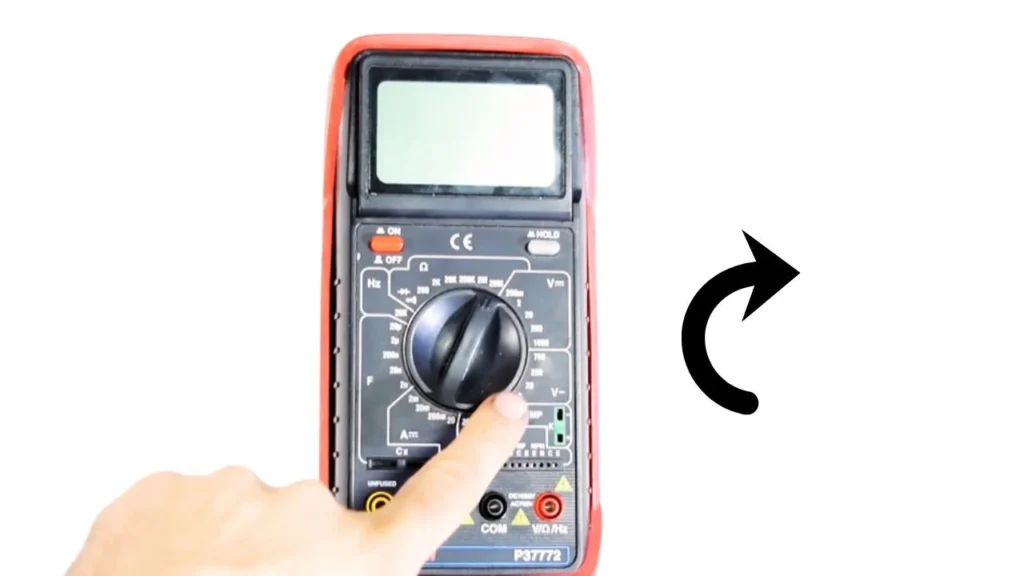
How to Test Electrical Wires with a Multimeter is actually easier than you might think. If you’re wondering how electricians test electrical wires with a multimeter, then the answer is simple with the right knowledge and practice. First of all, you have to rotate the dial on continuity. After this, connect both test leads to double-check if you hear the beep sound. After that, it means you’re good to go.
4. Selection of test leads

Test leads play an essential role in getting precise values. There are different test leads for various purposes. CAT-II test leads are used for Medium voltage measurement. However, CAT-III test leads are used for low voltage equipment. To test electrical wires with multimeter CAT-III test leads are good enough.
5. Know the test points
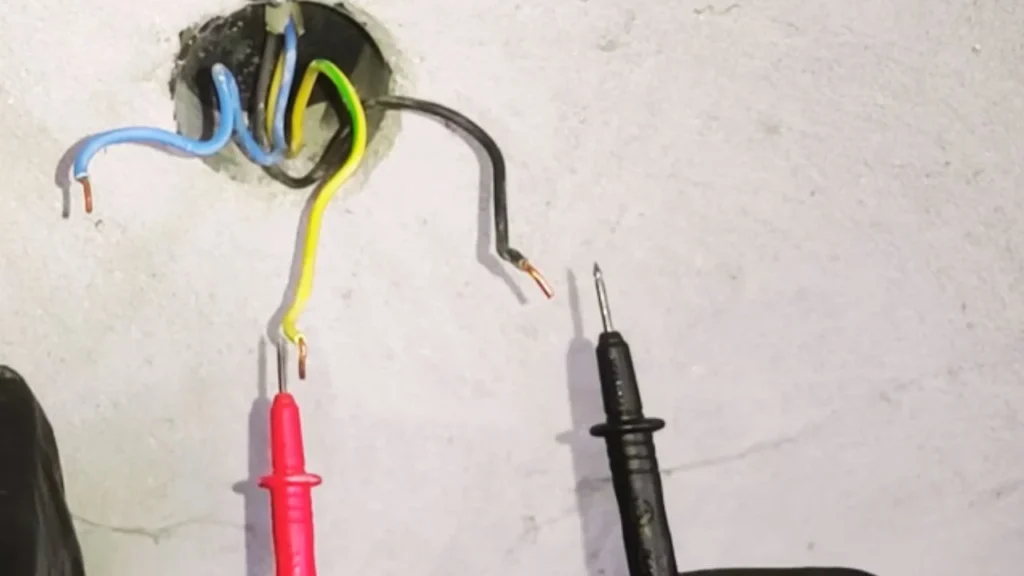
You must know that where multimeter test leads should be connected. If you place both the leads on same path then it may causes damage. Most of the time beginner’s don’t know how to test electrical wires with Milwaukee GIDDS2-288935 multimeter. There are different procedures for both live and dead circuits. Each of the testing method is mentioned below.


Hot/live Electrical wire test

Industrial or commercial electricians can not shut the system. In such cases, I always recommend beginners to get professional support from senior electricians. You can also grab the best fluke multimeter for electrical work with just a single click.However, you can test live electrical wires with a multimeter also.
- For this purpose, you have to select the maximum voltage ranges and put the negative (Com) test leads on earth.
- After this, you have to follow an electrical wiring diagram and follow the Positive path with the test lead positive terminal (V). you will get the voltages on display.
- While tracing the circuit where the supply will disconnect, note that wire or equipment. Congrats, you have found the faulty area. Now you can either replace or repair it.
How to test Disconnected Electrical wires:

If you are here, it means you are facing a problem with your electrical wiring. Learning how to test electrical wires with a multimeter isn’t difficult, especially when the wire is in a dead state. You just have to set the dial to continuity and insert the probes in (V) and (Com). Next, connect one probe to one end of the wire and then trace the other end where the beep breaks; just check there. Congrats, you have found the weak point.
Safety Guidelines while testing electrical wires with multimeter
There are multiple things one should consider before checking the wires.
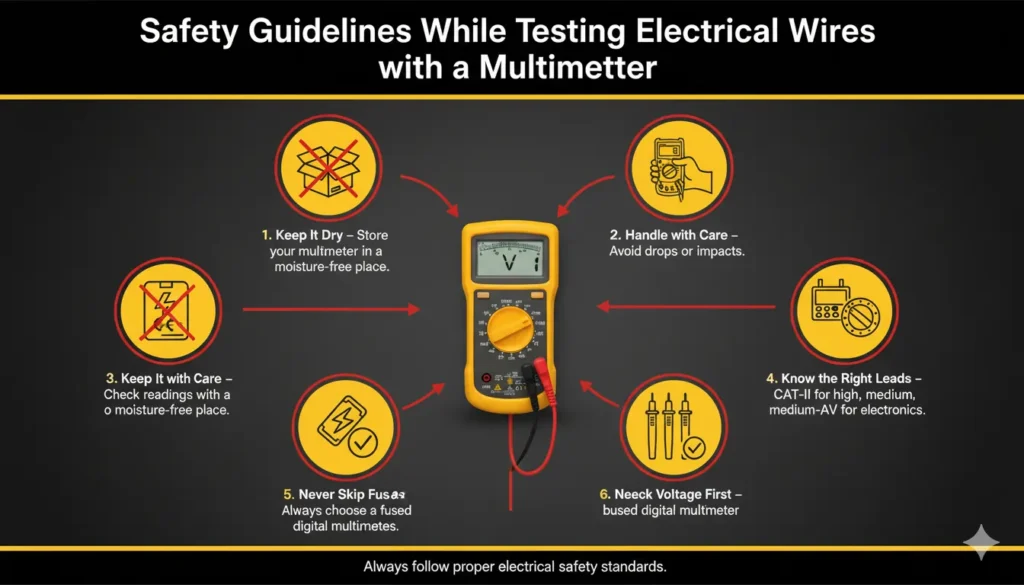
The first and foremost important thing is to place your multimeter before and after use in a dry place.
Don’t drop your multimeter; otherwise, it will start malfunctioning.
Always check voltages to some standard source to check whether it’s working correctly or not. You can also use the Fluke proving Unit to check your multimeter calibrations.
You should know your working ranges. But if you have an auto-ranging multimeter, then you may take a rest.
Always choose the suitable test leads for high voltages, cat-ii standard, for medium voltages cat-iii standard and for electronics, use the cat-iv standard test leads.
Never buy any digital multimeter without fuses. Because it’s the safety fuses that save you and your multimeter in case of an accident.
Always make a habit of checking voltages in any circuit before checking any other electrical variable.
How to measure current in electrical wires with a multimeter?
If you want to check current with a multimeter, then it can be done with multimeter probes. But it only limits to 10A. Some good quality digital multimeters can measure current up to 20A.
First of all, select the AC/DC option.
Secondly, to check current with UNI-T UT161E Multimeter, or any other, you just have to insert the test leads in (A) and (com) positions.
Lastly, After test leads insertion, you can connect the leads on each phase and neutral. The running current will be shown on your display.
But if you want to measure a higher current in electrical value, use a clamp meter. You just have to clamp the electrical wire in the clamp meter, and the results will be on your display. The only precaution is that you can clamp only each phase at one. If you want to know more about the best clamp meters and how to use them, then you can check my clamp multimeter blog.
Conclusion:
So, this is how you can measure current with a multimeter. I hope you found this information helpful. If you want to check the current with a multimeter, then it can be done with multimeter probes. But it is only limited to 10A. Some good quality digital multimeters can measure current up to 20A. If you want to measure higher current values, then you can use a clamp meter. I have dug down some of the best clamp meters for you let’s take a look at them also. Thanks for reading!
FAQs
Q1. Can I test live wires with a multimeter?
Yes, you can test live wires with a multimeter just make sure your multimeter supports voltage ranges of at least 600V AC. Set the dial to the highest voltage range (e.g., 750V AC), place the COM probe on ground, and carefully use the positive probe to trace the live wire. For safety, always wear insulated gloves and use CAT-III or CAT-IV rated test leads.
Q2. What multimeter setting should I use to test a disconnected wire?
Use the continuity mode on your multimeter. Most digital multimeters emit a beep when resistance is below 30 ohms, indicating the wire is intact. Insert probes into the VΩ and COM ports and touch both ends of the wire. No beep means a broken connection.
Q3. What type of test leads should I use for wire testing?
Use CAT-III test leads for low to medium voltage testing (up to 600V). For residential electrical systems, CAT-III rated leads provide sufficient protection. If working on industrial equipment or panels above 1000V, go for CAT-IV rated leads.
Q4. Is it safe to use a multimeter on any type of wire?
It’s safe if your multimeter is rated appropriately and includes safety features like internal 500mA or 10A fuses. Only use multimeters rated for CAT-II 300V, CAT-III 600V, or CAT-IV 1000V, depending on your environment. Always verify voltage on a known live source before testing unknown wires.