

When it comes to cutting down on electricity bills, one of the first questions people ask is, what uses the most electricity in a home?
Many devices and systems quietly draw significant amounts of power—even when you’re not using them.
A Quick Look
In this post, I’ll break down what’s truly consuming your electricity, and how you can take small steps to reduce it. Finding the best multimeter for home appliance repair can make your troubleshooting easier.
NOCO Boost Plus GB40
⭐ 4.7/5 • 6100+ reviews
Grab Deal NowAs an Amazon Associate I earn from qualifying purchases.
Quick Fix
Reducing electricity consumption in your home appliances is easier than you think. Start by unplugging devices that aren’t in use to eliminate phantom energy drain. Lower your thermostat by just a few degrees, and switch to energy-efficient LED bulbs to cut down on lighting costs.
Installing smart power strips can help prevent standby power from wasting energy, and using a programmable thermostat for heating and cooling can further lower your bills. Simple changes like these can save you money and reduce overall energy usage with minimal effort.
Hidden Energy Guzzlers You Didn’t Expect
We often overlook some lesser-known but critical electricity users in our homes. While HVAC systems and refrigerators dominate, here are a few surprising electricity consumers that you might not be aware of:
1. Standby Power (Phantom Energy)
Even when you think appliances are off, they may still be draining electricity. Standby power, often called “phantom energy,” accounts for about 5-10% of total household energy consumption. Devices like TVs, game consoles, and even microwaves consume electricity just by being plugged in.
- Fun fact: Did you know your cable box alone can use up to 30 watts per hour when not in use? Multiply that by 24 hours a day, and you’re looking at around 720 watts per day of unnecessary energy!
2. Aquariums
If you have an aquarium, you might not think much about its electricity consumption. But maintaining a saltwater or freshwater tank is energy-intensive. The lights, filters, and heaters in an aquarium can use as much as 1,000 kWh per year. The heater is the biggest culprit, using between 150-300 watts alone. You can calculate heat pump impact on your electric bill in a few steps.
- Surprising stat: A single 55-gallon aquarium can use more electricity annually than your refrigerator.
3. Radiant Floor Heating
Many homeowners install radiant floor heating for comfort during colder months, but they don’t realize how much electricity it uses. A typical system uses about 12 watts per square foot. If you’re heating a 500-square-foot room, that’s 6,000 watts every time you turn it on, which can significantly add to your monthly bill.
- Cost-saving tip: Consider using radiant heating only in rooms that need it most, or invest in a smart thermostat that can control the temperature based on room usage.
Appliances That Run When You Don’t Expect It
Beyond obvious electricity guzzlers like your HVAC and refrigerator, there are other appliances that sneakily drain electricity even when you’re not actively using them. These small but frequent energy hogs might be inflating your bill more than you realize.
1. Wi-Fi Routers and Modems
Your Wi-Fi router may be the last thing you think about when managing electricity usage, but it’s one of the few devices that runs 24/7. On average, a router uses about 6-10 watts per hour. While this seems small, over a year, that totals around 87 kWh, or nearly $10 annually.
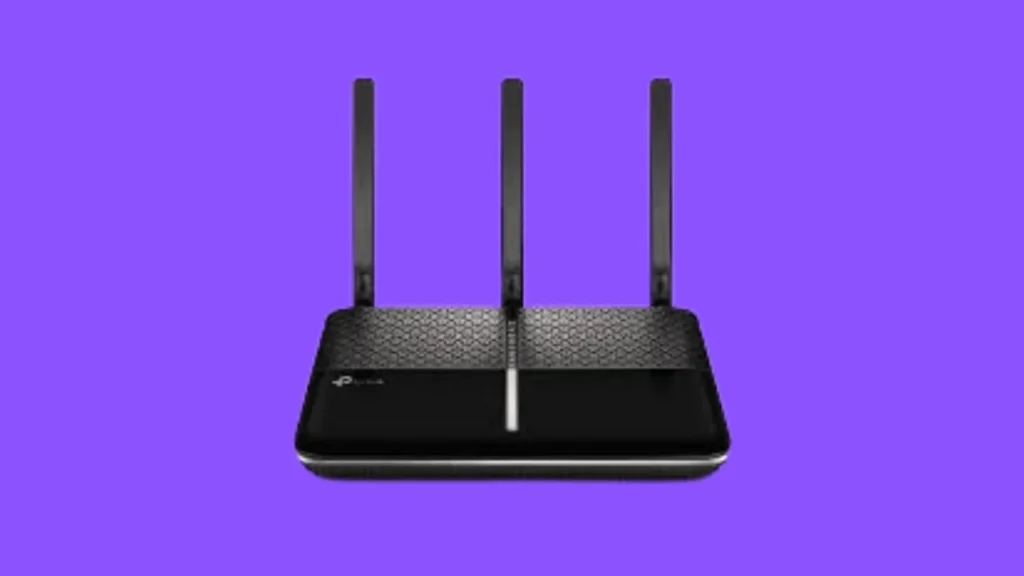
- Small change, big impact: Turning off your Wi-Fi router at night (or during vacations) can save a few dollars a year, but more importantly, it cuts unnecessary energy usage.
2. Electric Ovens and Cooktops
Electric ovens and cooktops can be deceiving. While they’re only used for short periods of time, they require 2,000-5,000 watts when in operation. If you bake or cook often, your oven could be one of the more expensive appliances in your home to operate.
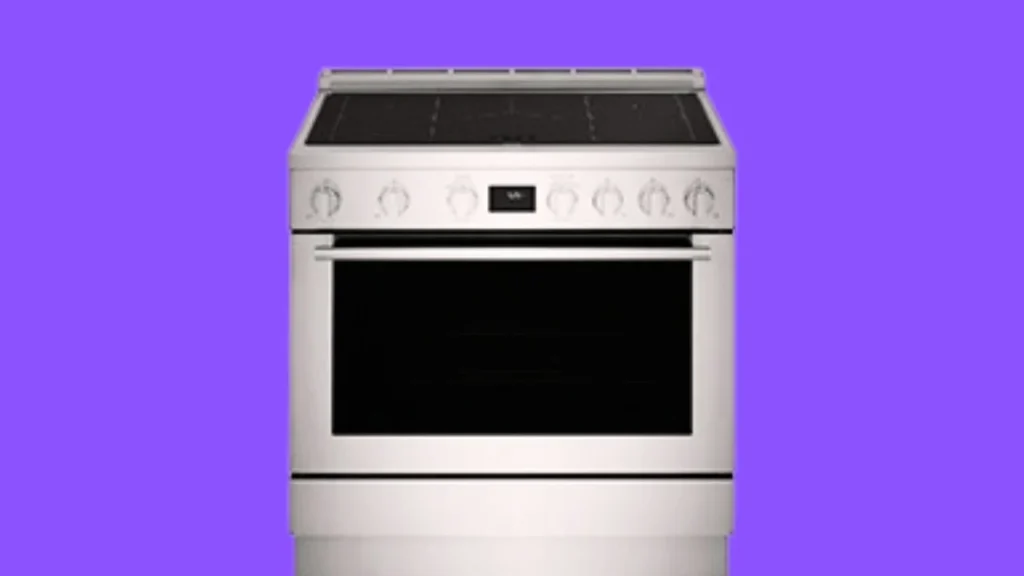
- Did you know? Cooking multiple dishes at once or using smaller appliances like microwaves and toaster ovens can save energy compared to running your full oven for long periods.
You can jump-start a refrigerator compressor by following certain steps carefully, here’s how to jump-start a refrigerator compressor.
Detailed Breakdown: Which Uses the Most?
Let’s take a closer look at some major household devices and compare their energy usage to give you a clearer picture of what’s going on behind the scenes. We’ll use watts per hour and annual energy costs as indicators.
The Major Power Hogs in Your Home
To answer this question accurately, it’s essential to look at the data. On average, U.S. households use 10,715 kWh of electricity per year. But what exactly contributes to that usage?
1. Heating and Cooling Systems (HVAC)
Your heating and air conditioning units are often the biggest energy consumers. In fact, heating and cooling account for nearly 46% of the average home’s electricity usage.
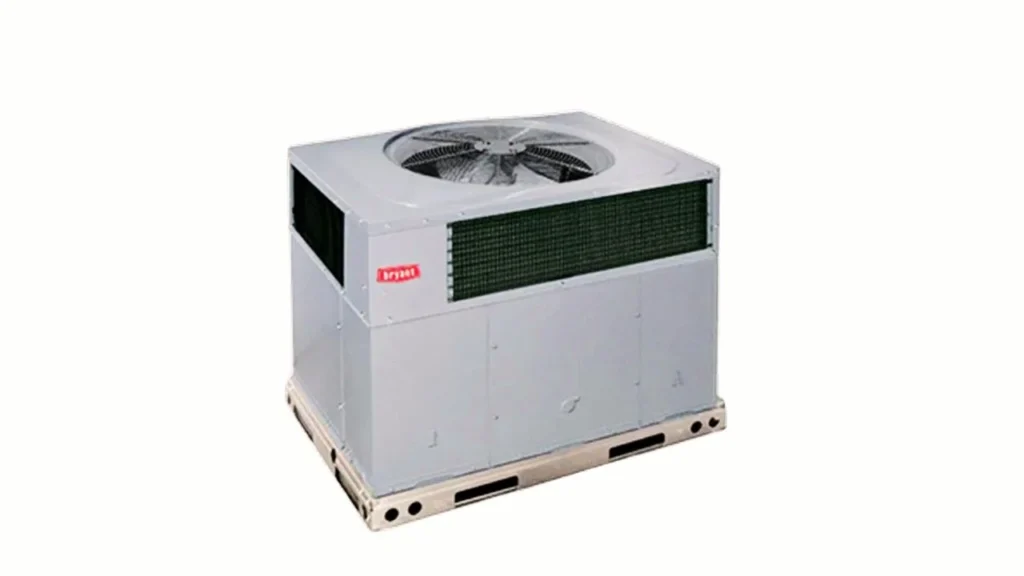
These systems work year-round, maintaining the perfect indoor climate, whether it’s freezing in winter or sweltering in summer.
If your house isn’t well-insulated or you live in an area with extreme weather, your HVAC system will need to work even harder, consuming even more electricity.
- Short-term tip: Lowering the thermostat by just a few degrees in the winter can reduce your energy usage by 1-3% per degree.
2. Water Heater
The water heater is another power-hungry appliance, using 12-18% of your home’s energy. If you like long hot showers or run your dishwasher and laundry frequently, you may be unknowingly adding extra dollars to your electricity bill.
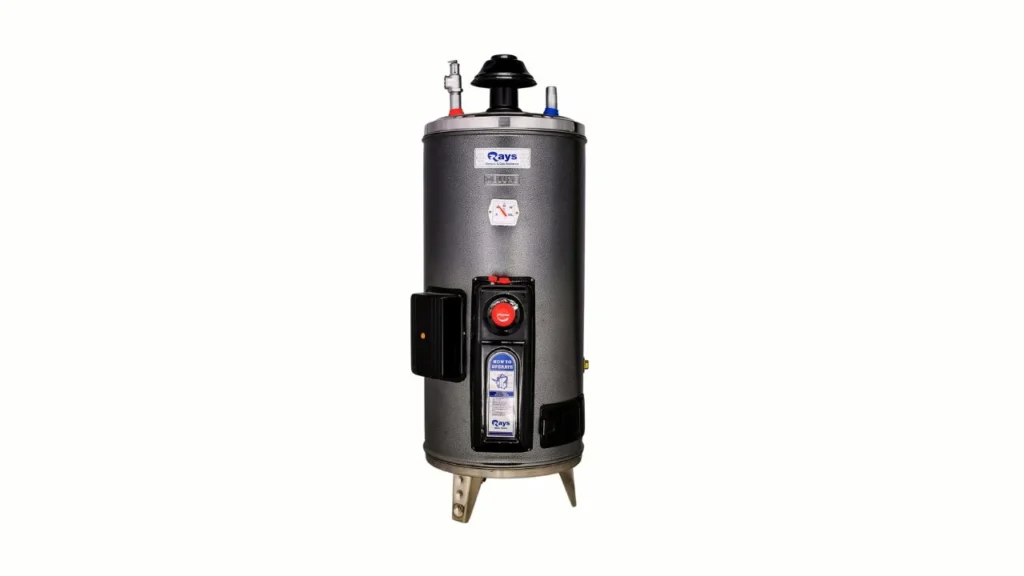
On average, a water heater can use up to 4,500 watts while operating.
- Pro tip: Consider switching to a tankless water heater, which heats water on demand, or lowering the water temperature to around 120°F to save energy.
3. Refrigerator
Another heavyweight in your electricity usage is the refrigerator. These appliances need to run continuously to keep your food fresh, contributing to 8-10% of your home’s total electricity use.
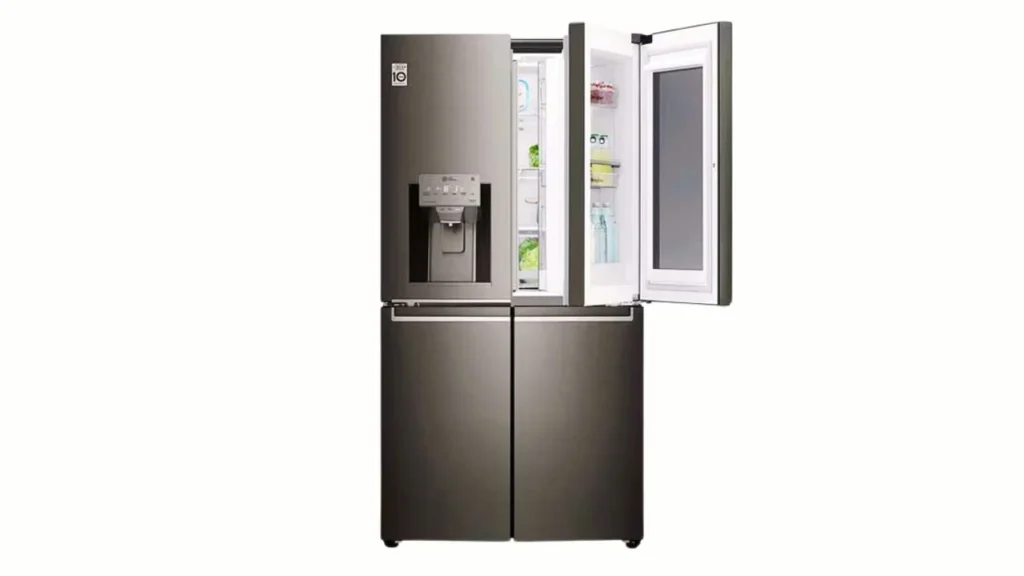
An average refrigerator uses anywhere between 100-800 watts, depending on its size and efficiency.
- Energy-saving tip: Cleaning the coils of your refrigerator and ensuring that the door seals are tight can improve its efficiency.
4. Lighting
While modern lighting options like LEDs have dramatically reduced energy usage, lighting can still account for 10-15% of a household’s energy bill, especially if you’re using older, inefficient bulbs.

The wattage of light bulbs can vary, with standard incandescent bulbs using around 60 watts and LEDs only 8-12 watts.
- Quick fix: Switch to energy-efficient LED bulbs, which use about 75% less energy than traditional incandescent lighting.
While people know that washers and dryers use electricity, few realize just how much energy dryers use. A dryer requires 2,000-6,000 watts per cycle, depending on the model and load size.
Even if you only run your dryer a couple of times a week, it can still add up to $100-150 per year. Air-drying clothes more frequently can cut this cost significantly.
LED lights use very little electricity compared to traditional bulbs, learn whether LED lights use a lot of electricity.
How to Make Smarter Choices
Now that you have a deeper understanding of what uses the most electricity in a home, here are some actionable steps to reduce consumption:
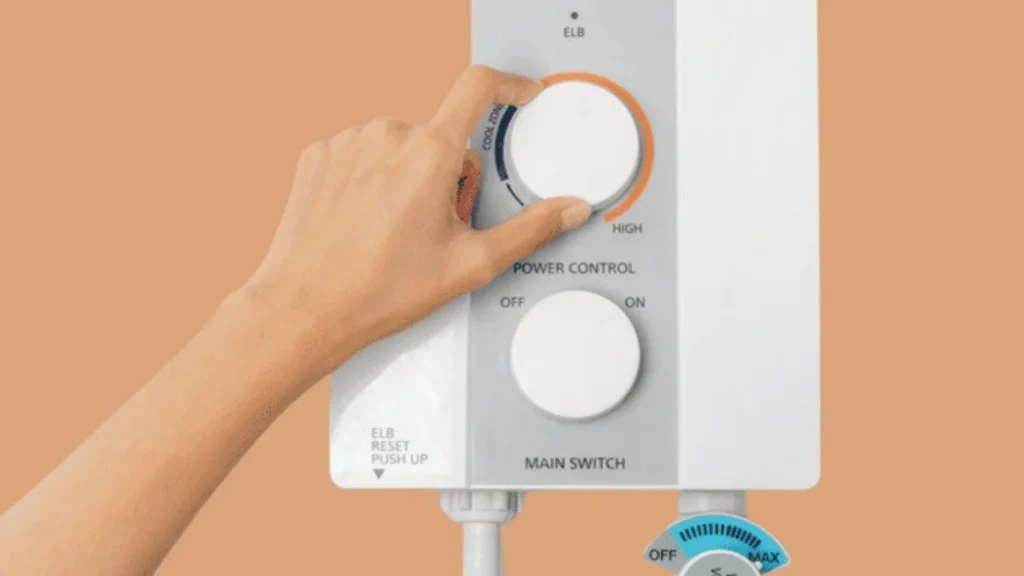
- Invest in a Smart Power Strip: Smart power strips can cut off power to devices that are in standby mode, eliminating phantom energy consumption.
- Switch to Tankless Water Heaters: These heaters only heat water when needed, using up to 34% less energy than traditional tank heaters.
- Consider an Energy Audit: Many utility companies offer free or discounted energy audits. These audits can identify areas where your home is leaking energy, from outdated windows to insufficient insulation, saving you 10-30% on your overall bill.
How Home Insulation Affects Electricity Consumption
Another overlooked area is home insulation. Poor insulation can cause your HVAC system to work overtime, using more electricity than necessary.
Insulating your attic, walls, and even floors can improve your home’s energy efficiency by up to 25%, particularly in older homes.
Installing proper insulation reduces heat transfer, keeping your home cooler in summer and warmer in winter, and ultimately lowering your energy bill.
- Quick fact: According to the Department of Energy, adding insulation to your attic can save up to 15% on heating and cooling costs.
Tips to Reduce Electricity Consumption
It’s easy to feel overwhelmed when you realize how many things in your home consume electricity. But don’t worry! There are several practical steps you can take to reduce your usage:
- Unplug Devices Not in Use: Devices like phone chargers, coffee makers, and even microwaves use energy when plugged in, even if they’re turned off.
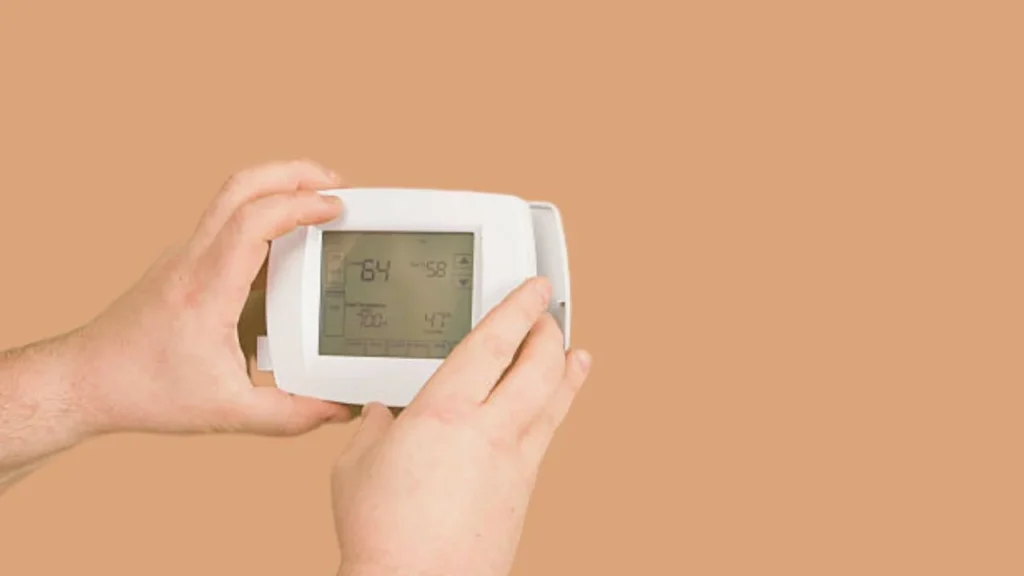
- Install a Programmable Thermostat: This allows you to adjust the temperature based on when you’re home or away, potentially saving you up to 10% on heating and cooling costs.
- Use Energy-Efficient Appliances: Look for the Energy Star label when shopping for new appliances. These models are designed to use less electricity while performing the same tasks.


Conclusion: What Uses the Most Electricity in a Home?
In summary, what uses the most electricity in a home isn’t always the devices you expect. While heating, cooling, and water heating remain the largest contributors, there are several surprising energy guzzlers—from your aquarium heater to standby devices that drain power even when turned off.
Being mindful of these lesser-known energy users and making small changes, like using smart power strips or investing in energy-efficient appliances, can make a big difference. Taking these steps will not only lower your bills but also reduce your home’s overall energy footprint. The best multimeter for home and auto tasks ensures precise measurements.
FAQs
1. What uses the most electricity in a typical home?
The biggest energy consumers in most homes are the heating and cooling systems (46%), water heaters (12-18%), and refrigerators (8-10%). Standby power and lesser-known devices like Wi-Fi routers also quietly consume electricity.
2. How can I reduce electricity consumption quickly?
Lower your thermostat by a few degrees, unplug unused devices, switch to LED bulbs, and install smart power strips to prevent phantom energy loss.
3. Does standby power really affect my electricity bill?
Yes! Standby power, or “phantom energy,” can account for up to 10% of your energy bill. Devices like TVs and microwaves continue to draw power even when off.
4. What’s the best way to save energy on water heating?
Lower the water heater temperature to 120°F and insulate your water heater tank. Alternatively, consider switching to a tankless water heater, which only heats water on demand.