


Fluke is a renowned brand known for producing high-quality testing and measurement tools. Regarding HVAC systems, having the fluke clamp meter is essential for accurate electrical measurements.
Upgrade your HVAC toolkit with the 7 best Fluke clamp meters of 2025! Discover top-notch tools designed to enhance accuracy, efficiency, and safety in your HVAC maintenance tasks.
A Quick Look
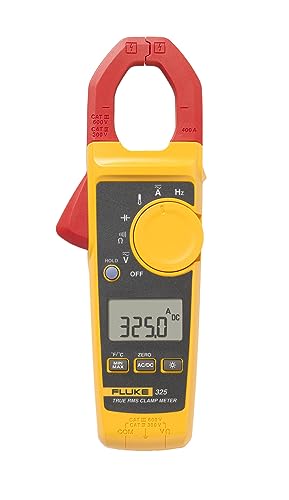
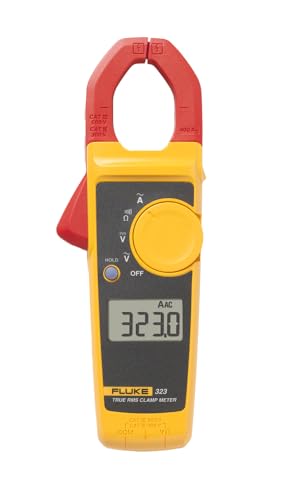
Fluke offers a range of clamp meters designed for Automotive technicians, HVAC professionals, and industry professionals. Ensuring precise readings and reliable performance for all electrical equipment’s.
NOCO Boost Plus GB40
⭐ 4.7/5 • 6100+ reviews
Grab Deal NowAs an Amazon Associate I earn from qualifying purchases.
| Quick Look: I tested some of the Best Fluke Clamp Meters to find out which ones truly deliver for pros and DIYers alike. From the Fluke 324 for HVAC to the Fluke 117/323 Kit for automotive work, each one has its sweet spot. If you’re after accuracy, durability, and purpose-built design, these clamp meters won’t disappoint. |
What is a Fluke Clamp Meter?
A Fluke clamp meter, also known as a clamp-on ammeter or current clamp, is a handheld electrical testing tool used to measure electrical current without physically disconnecting the measured circuit.
It is called a “clamp” meter because it features a hinged jaw that can be opened and clamped around a conductor, allowing the user to measure the current flowing through it.
Buyer’s Guide to Best Fluke Clamp Meter
When selecting the best Fluke clamp meter for HVAC applications, several key factors must be considered. A reliable and accurate clamp meter is essential for HVAC professionals who need to measure electrical current, voltage, and other parameters in HVAC systems.
This buyer’s guide will provide important considerations to help you decide when choosing the right Fluke clamp meter for your HVAC needs.
1. Measurement Capabilities
The first and foremost factor to consider is the measurement capabilities of the clamp meter. Determine the range of current and voltage that you will typically encounter in your HVAC work. Look for a clamp meter that offers a wide enough range to accommodate your specific needs.
Consider if you require additional measurements such as resistance, capacitance, temperature, or frequency. Choose a Fluke clamp meter with the necessary measurement capabilities for your HVAC applications.
2. Accuracy and Precision
Accuracy is crucial when it comes to electrical measurements. Look for Fluke clamp meters with high accuracy and precision, ensuring reliable readings. True RMS sensing capability is also essential, enabling accurate measurements for linear and non-linear loads.
3. Safety Ratings
HVAC systems often involve working with high voltage levels. It is crucial to prioritize safety when selecting a Fluke clamp meter. Look for meters that comply with safety standards, such as CAT (Category) ratings.
CAT IV-rated meters offer higher protection against transient voltages, making them suitable for working on the main electrical panel. CAT III-rated meters are suitable for general HVAC applications. Ensure the clamp meter has the appropriate safety rating for your specific HVAC tasks.
4. Build Quality and Durability
HVAC work can be demanding, often requiring tools that withstand harsh environments. Look for Fluke clamp meters built with durable materials and resistant to impact, dust, and moisture. Sturdy construction ensures that the meter can withstand the rigors of daily use, increasing its lifespan and reliability.
5. Additional Features and Functionality
Consider the additional features and functionality offered by the Fluke clamp meter. Some meters may include features like data logging, wireless connectivity, advanced display options, or compatibility with software for data analysis.
Evaluate these features based on your requirements and whether they will enhance your productivity and workflow.
6. Ease of Use
Choose a Fluke clamp meter that is user-friendly and easy to operate. Look for meters with intuitive controls, clear displays with backlighting for visibility in various lighting conditions, and ergonomic designs that provide comfort during extended use.
7. Price and Value
Set a budget for your Fluke clamp meter purchase and consider the value it offers. Compare the features, specifications, and reviews of different models to determine which provides the best performance, reliability, and price balance.
Best Fluke Clamp Meter for HVAC- Top 7 Picks
1-Fluke 324 True-RMS Clamp Meter “Best for HVAC Purposes”
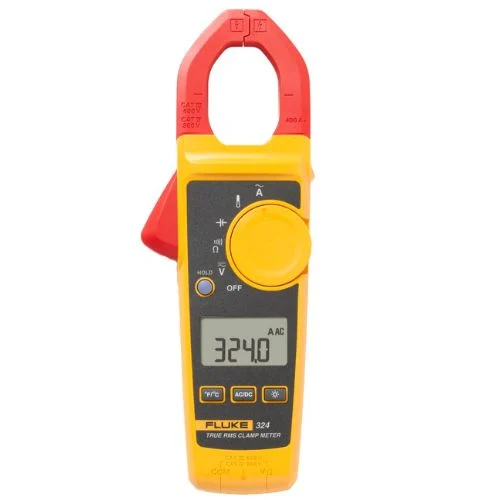
The Fluke 324 is a versatile digital clamp meter designed to measure various electrical parameters accurately. With its ability to measure AC up to 400 amps, AC and DC voltage up to 600 volts, and resistance up to 4 kilohms, this clamp meter covers many applications. It features True RMS sensing technology, ensuring accurate readings for linear and non-linear loads, regardless of waveform.
Specifications
- Brand: Fluke 324
- Color: Yellow
- Voltage Range: 600 V
- Current Range: 400 A
- Temperature Mode: Yes
- Weight: 300 Grams
Features
- Audible continuity sensor for circuit conductivity confirmation
- Complies with IEC safety standard 61010-1
- CAT IV 300V/CAT III 600V safety rating for versatile installations
- Slim, ergonomic design with large, easy-to-read backlight display
- Features hold button, temperature, and capacitance measurement
What I Noticed During Testing?
In my hands-on trial, I found the accuracy solid across both voltage and current checks. The True RMS sensing made a real difference—way more reliable than the budget meters I’ve tried, especially with fluctuating loads.
I also liked the non-contact current detection. It let me check for live wires fast, without fussing with probes. Plus, the audible continuity sensor saved me time—I didn’t need to keep looking at the screen when checking tight spots.
What Didn’t Work for Me?
The limited resistance range was a letdown. When I tested a high-resistance heating element, it couldn’t keep up. I’ve used the Fluke 179 multimeter for similar tasks, and it handled those without a hitch.
Package Includes:
- Fluke 324 True-RMS Clamp Meter
- Soft carrying case
- Test leads
- User manual
- Batteries (pre-installed)
Why Choose the Fluke 324 True-RMS Clamp Meter?
The Fluke 324 combines reliability, accuracy, and ease of use in a compact form. Designed for industrial use, it excels in harsh environments, providing professionals with a dependable tool that delivers precise results every time.
2-Fluke 117/323 Kit Multimeter and Clamp Meter Combo Kit “Best For Automotive Technicians”
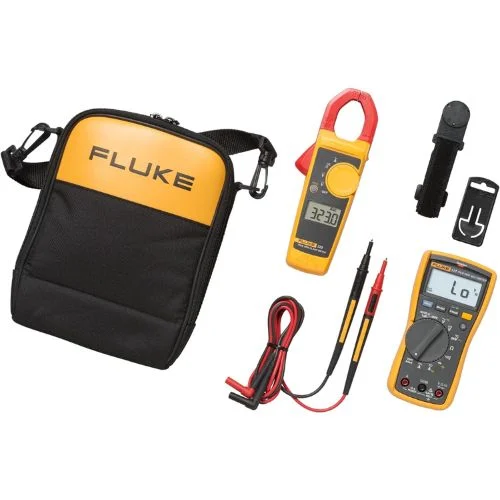
The Fluke 117/323 Kit offers a comprehensive solution for electrical measurements. Plus, Fluke 117 multimeter and the Fluke 323 clamp meter provide various measurement capabilities. Moreover, the Fluke 117 multimeter measures AC and DC voltage and AC and DC amps, ensuring versatility in various applications. Its true RMS functionality guarantees accurate measurements, especially for non-linear loads.
Fluke 323 Specifications
- Brand: Fluke 323
- True RMS: Yes
- Voltage Range: 600 VAC/VDC
- Current Range: 400A AC
- Data Hold: Yes
- Magnetic Hanger: Yes
Fluke 117 Specifications
- Brand: Fluke 323
- True RMS: Yes
- Voltage Range: 1mV to 1000 V
- Current Range: 1A to 10 A
- Add-on functions: Diode, capacitance, frequency and DC Amps can also be measured with it.
Features
- Low input impedance prevents false readings from ghost voltage
- Fluke 323 offers true RMS AC voltage and current measurement
- Measures 400 A AC and 600 VAC/DC voltage
- Comprehensive kit for diverse electrical measurements
- Reliable and accurate results for non-linear signals
What I Liked (From My Hands-On Test)
✅ Versatile Measurements
I tested everything—voltage, resistance, continuity—and didn’t need a second tool. Way more capable than the basic meters I’ve used.
✅ True RMS Accuracy
On noisy circuits, my older meter gave sketchy readings. This one? Rock solid. It handled irregular loads without breaking a sweat.
✅ Low Input Impedance
I’ve had ghost voltage problems before, but this meter filtered them out. It gave me clean readings in tricky spots.
✅ All-in-One Kit
It came ready to go—leads, case, batteries included. No extra shopping, just plug and play.
What Fell Short (And a Better Option)
❌ No Connectivity
I missed having Bluetooth or app support. If you log data or want wireless access, I’d go for the Fluke 3000 FC instead—it’s built for that.
Package Includes:
- Fluke 324 True-RMS Clamp Meter
- Soft carrying case
- Test leads
- User manual
- Batteries (pre-installed)
Why Choose the Fluke 324 True-RMS Clamp Meter?
The Fluke 324 combines reliability, accuracy, and ease of use in a compact form. Designed for industrial use, it excels in harsh environments, providing professionals with a dependable tool that delivers precise results every time.
3-Fluke T5-600 Electrical Voltage and Current Tester “Best Reliable Tool for Closed Circuits”
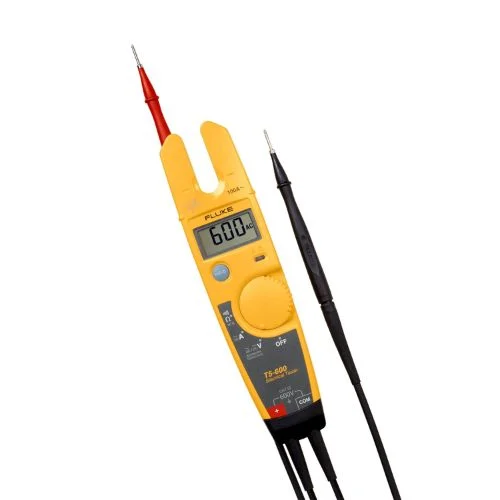
The Fluke T5-600 Electrical Voltage and Current Tester is a reliable electrician tool. It automatically measures AC and DC with precise digital resolution, providing accurate readings. It can also display resistance up to 1000Ω. One of its notable features is the easy and accurate OpenJaw current measurement, which allows for quick and hassle-free measurements.
Specifications
- Voltage Measurement: Up to 600V AC/DC
- Current Measurement: Up to 100A AC
- Continuity: Less than 25 ohms
- Resistance Measurement: Up to 1000 ohms
- Jaw Capacity: 0.5 inch
- Display: 1000 counts LCD display
- Operating Temperature: 14 to 122 degrees Fahrenheit
- Power Source: (2) AA Batteries
- Safety Rating: CAT III 600V
- Weight: 0.66 Pounds
Features
- Easy and accurate Open Jaw current measurement
- Detachable SlimReach test probes
- test leads stow in the back of the tester
- Optional holster for convenient storage and access
- Longer connection duration compared to solenoid-type testers
- Automatic measurement of volts AC and volts DC
What I Liked?
✅ Automatic Measurement
I noticed the auto-ranging feature saved me time. It adapts quickly to different tasks, unlike older models like the Fluke 101, which required manual adjustments.
✅ Clear Digital Readings
In my personal trial, the screen was easy to read even in low light, and the readings stayed consistent. It outperformed budget models I’ve used before.
✅ Open Jaw Current Measurement
The open jaw feature was a game-changer. During a cramped job, I didn’t have to break the circuit, just clamped it and got a reading—much quicker than with a traditional clamp meter.
✅ Optional Holster
I tried it without the holster, but after a few bumps, I added it. It’s not necessary, but it definitely provides extra protection when working in tough environments.
What Could Be Better?
⚠️ Lacks Advanced Features
I quickly realized it doesn’t offer advanced features like inrush current or data logging. For more complex jobs, I’d opt for something like the Fluke 376 FC instead.
Package Includes:
- Fluke T5-600 Electrical Tester
- 4mm detachable test probes
- (2) AA batteries
- User manual
Why Choose the Fluke T5-600?
The Fluke T5-600 offers a unique combination of durability, convenience, and accuracy. With OpenJaw current measurement and auto AC/DC voltage selection, it’s the perfect tool for anyone looking for reliable and easy-to-use equipment to troubleshoot electrical systems.
4-Fluke 362 AC/DC Clamp Meter “Best for Electronics work”
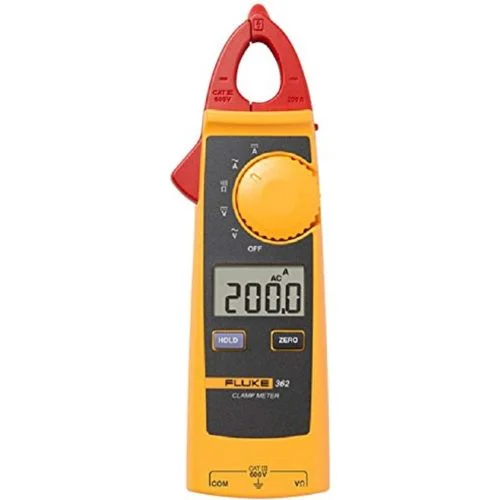
The Fluke 362 AC/DC Clamp Meter is a reliable and portable tool suitable for various electrical work environments. This reliable device ensures safety with its CAT III 600 V safety rating, giving you the confidence to use it wherever your work may lead.
With its compact design and essential features, the Fluke 362 AC/DC Clamp Meter is an invaluable tool for electricians, technicians, and anyone working in the electrical field. Experience efficiency, accuracy, and reliability all in one package.
Specifications
- Current Measurement Range: 200 A (AC and DC)
- Voltage Measurement Range: 600 V (AC and DC)
- Resistance Range: 3000 Ω
- Continuity Detection: Yes
- Zero Function: Allows the display to be cleared for DC measurements
- Data Hold Function: Yes
- Safety Rating: CAT III 600
Features
- Compact design for comfortable one-hand operation
- State-of-the-art signal processing for stable readings in noisy environments
- Built-in flashlight/torch for easy wire illumination
- Measures AC/DC up to 200 A and voltage up to 600 V
- The detachable jaw for improved accessibility and display viewing
What Works?
- Detachable Jaw: I found the detachable jaw really useful for accessing tight spaces, something models like the Fluke 902 and 325 don’t offer.
- Versatile Current Measurement: This tool’s ability to measure both AC and DC current made it more flexible than models like the Fluke 177, which only supports AC.
- Wide Voltage Range: The wide voltage range allowed me to test both low and high-voltage systems without limitations, unlike some budget models.
- Built-in Flashlight: The built-in flashlight was a game-changer in dim spaces, saving me time compared to other models that require external lighting.
What Doesn’t Work?
- No Wireless Connectivity: The lack of wireless connectivity was a bit of a downside for remote monitoring, especially when compared to models like the Fluke 3000 FC. But for hands-on testing, it didn’t slow me down too much.
Package Includes:
- Fluke 362 Clamp Meter
- User manual
- Test leads (detachable)
- Carrying case
- (2) AA batteries (not included)
Why Choose the Fluke 362 Clamp Meter?
The Fluke 362 offers a perfect blend of portability and performance. Whether you’re in tight electrical spaces or performing quick diagnostics, its compact design, accurate readings, and essential functions make it the go-to tool for professionals seeking reliability in a small package.
5-Fluke 381 Remote Display True-RMS Clamp Meter “Best Remote Display for high values”
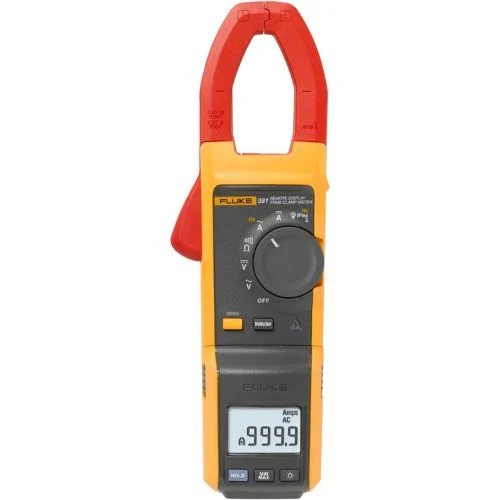
The Fluke 381 Remote Display True-RMS Clamp Meter offers advanced features for accurate and flexible electrical measurements. Its large, easy-to-read backlight display automatically sets the correct measurement range, eliminating the need to switch positions during measurement. The meter features true RMS AC/DC voltage and current measurement, ensuring accurate readings for non-linear signals.
Specifications
- Brand: Fluke 381
- Color: Yellow
- Voltage Range: 600 V
- Current Range: 600 A
- Temperature Mode: No
- Weight: 1 Pound
Features
- Wireless display up to 30 ft. for added flexibility
- Removable magnetic display for convenient mounting
- Includes iFlex flexible current probe for expanded measurement range
- CAT IV 600 V and CAT III 1000 V safety rating
- True RMS AC/DC voltage and current measurement
What Works?
- Large, Easy-to-Read Display: I found the large display a big help, especially in low-light conditions. It made reading measurements quick and easy, unlike the smaller screens I’ve used before.
- Automatic Measurement Range Setting: This feature saved me time by adjusting the range automatically, making the multimeter more user-friendly for quick, varied tests.
- True RMS AC/DC Measurement: The True RMS function provided accurate readings on both AC and DC circuits, especially when working with irregular waveforms—something basic meters can’t do.
- Wireless Display up to 30 ft: The wireless display let me check measurements from a distance, making it easier to work in tight spaces without constantly moving the multimeter.
What Doesn’t Work?
- Higher Price: While the features are impressive, the higher price might be a turnoff for those who only need a basic multimeter for simple tasks.
Why It Matters?
If you need accuracy and convenience, the large display, auto range, and True RMS features are worth the investment. But if you’re just after something basic, the cost might not be justified. For professionals, though, the extra features are definitely useful.
Package Includes:
- Fluke 381 Remote Display Clamp Meter
- 18-inch iFlex™ flexible current probe
- Soft carrying case
- TL75 test leads
- Coated instruction card
- Safety information sheet
- Five AA batteries (included)
Why Choose the Fluke 381 Remote Display Clamp Meter?
The Fluke 381 is perfect for industrial professionals who need flexibility, safety, and precision. The remote display and iFlex probe make this tool highly adaptable, allowing you to take measurements in challenging environments with ease and accuracy.
6-Fluke 375 AC/DC Clamp Meter “Best Reliable Tool”
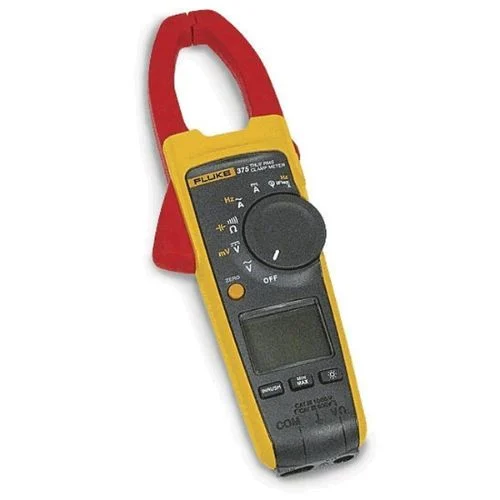
The Fluke 375 AC/DC Clamp Meter is a reliable and versatile tool designed to accurately measure non-linear signals. Its large, easy-to-read backlight display automatically sets the correct measurement range, eliminating the need to switch positions during measurement. The true RMS AC/DC voltage and current measurement capability ensure accurate readings.
Specifications
- Brand: Fluke 375
- Color: Yellow
- Voltage Range: 500 V
- Current Range: 2500 A
- Temperature Mode: No
- Weight: 0.86 Pounds
Features
- Includes iFlex flexible current probe for expanded measurement range
- True RMS AC voltage and current measurement
- Integrated low-pass filter and inrush measurement technology
- Ergonomic design for comfortable handling
What Works?
- Large, easy-to-read display: I noticed the big, clear screen makes it easy to read, even from a distance. It’s a huge improvement over smaller displays on other models, especially in busy environments.
- True RMS AC/DC measurement: In my experience, the True RMS feature ensures accurate readings for both AC and DC circuits, unlike cheaper models that give inconsistent results with distorted waveforms.
- iFlex current probe: I found the flexible iFlex probe incredibly useful for measuring high currents (up to 2500A) in tight spaces—something many multimeters can’t do.
- Integrated low-pass filter: The low-pass filter worked well in reducing electrical noise during my testing, making readings more stable compared to models without this feature.
What Doesn’t Work?
- Limited advanced features: This model lacks the advanced features I need, like data logging or trend analysis. For more complex tasks, I’d recommend something like the Fluke 287, which offers these extra capabilities.
Package Includes:
- Fluke 375 True-RMS Clamp Meter
- iFlex™ Flexible Current Probe
- Soft carrying case
- TL75 test leads
- (2) AA batteries (included)
- User manual
Why Choose the Fluke 375 True-RMS Clamp Meter?
The Fluke 375 is designed for professionals who need reliable, accurate measurements in high-current environments. With its True-RMS technology and iFlex™ probe, it offers expanded measurement capabilities and adaptability, making it a top choice for electrical maintenance and troubleshooting.
Why do professionals prefer fluke clamp meters for HVAC over multimeters?
Professionals in the HVAC industry often prefer the Fluke Clamp Meter over traditional multimeters for several reasons. Firstly, the best fluke clamp meter for hvac offers a dedicated current measurement function with its clamp design, allowing technicians to measure electrical currents without requiring direct contact or interrupting circuits.
This feature is particularly advantageous in HVAC systems, where accessing live wires can be challenging or risky.
Higher Level of Accuracy
Additionally, the Fluke Clamp Meter provides higher accuracy and precision when it comes to current measurements compared to most multimeters.
Its specialized design and advanced technology ensure reliable and consistent readings, making it a trusted tool for diagnosing and troubleshooting electrical issues in HVAC systems.
User-Friendly Design
The Fluke Clamp Meter’s ergonomic and user-friendly design is another factor that appeals to professionals. Its intuitive interface and straightforward operation make it easy to use, even for individuals with limited experience or training.
The Fluke Clamp Meter’s compact and portable form factor also enhances convenience, allowing technicians to carry it easily and use it in tight spaces.
Safety Guide
Using a Fluke clamp meter involves working with electrical systems and potentially hazardous voltages. To ensure your safety and the safety of others, it is crucial to follow proper safety precautions. Here is a safety guide for using a Fluke clamp meter:
Personal Protective Equipment (PPE)
When working with electrical systems, wear appropriate personal protective equipment, including safety glasses, insulated gloves, and non-conductive footwear. PPE protects against electrical shock and potential hazards.
Familiarize Yourself with the Clamp Meter
Read and understand the user manual provided by Fluke for your specific model of clamp meter. Familiarize yourself with its features, functions, and operating procedures. Follow the manufacturer’s instructions for safe and correct use.
Verify the Condition of the Meter
Inspect the clamp meter for any visible damage or signs of wear before each use. Ensure that the probes, leads, and other accessories are in good condition and properly connected. Do not use a damaged or faulty clamp meter; promptly replace worn-out or defective parts.
Power Off and De-energize the Circuit
Before making any connections or measurements, ensure the circuit is de-energized, and power is turned off. Test the circuit with a reliable voltage detector to confirm it is safe to work on.
Select the Appropriate Range and Function
Choose the appropriate measurement range and function on the clamp meter to ensure accurate readings. Using the wrong range or function may lead to incorrect measurements or damage to the meter. Refer to the user manual for guidance on range selection.
Proper Connection and Placement
Ensure the clamp meter is properly connected and securely clamped around the measured conductor. Position the meter away from other conductors or metallic objects that could interfere with the readings.
Avoid Touching Exposed Conductors
Do not touch exposed conductors or live parts when making measurements. Use the appropriate insulation and safety barriers to prevent accidental contact with energized components.
Avoid Overloading the Meter
Do not exceed the maximum limits of the clamp meter’s measurement range. Overloading the meter can lead to inaccurate readings, damage to the meter, or potential safety hazards. Use a higher range or switch to a different meter if necessary.
Use Caution in Hazardous Environments
Exercise caution and follow specific safety guidelines when working in hazardous environments, such as wet locations or areas with flammable gases or liquids. Ensure the clamp meter is suitable for the specific environment and rated accordingly.
Regular Maintenance and Calibration
Per the manufacturer’s recommendations, perform regular maintenance checks on your Fluke clamp meter, including cleaning the contacts, inspecting the cables and connectors, and calibrating the meter. Follow the recommended calibration schedule to ensure accurate measurements.
Keep Children and Unauthorized Personnel Away
Keep the clamp meter and its accessories out of reach of children and unauthorized individuals. Only trained and qualified personnel should handle and operate the meter.
Most Common Fluke Clamp Meter Problems
Fluke clamp meters are known for their quality and reliability, but like any electronic device, they can experience certain issues over time. Understanding the common problems that users may encounter with Fluke clamp meters can help troubleshoot and resolve issues effectively. Here are the most common problems that users may face:
Inaccurate Readings
One of the primary issues with clamp meters is inaccurate readings. This can occur due to incorrect calibration, damaged or worn-out components, or improper usage. If you notice inconsistent or significantly different readings compared to known values, it may be necessary to recalibrate the clamp meter or seek professional calibration services.
Display Issues
Display problems include dim or faded screens, missing segments, or unresponsive buttons. Aging display components, faulty connections, or physical damage can cause these issues.
In such cases, contacting Fluke customer support or authorized service centers is recommended to resolve display-related problems.
Battery Drain
Excessive battery drain is a common problem with many electronic devices, including Fluke clamp meters. If the battery drains quickly, even with minimal usage, it may indicate a faulty power management system or a defective battery.
Replacing the battery with a genuine Fluke battery or contacting Fluke customer support for assistance can help resolve this issue.
Probe and Lead Connection Problems
Problems with probe and lead connections can lead to unreliable measurements or intermittent readings. Loose or damaged connections between the clamp meter and the test leads can cause signal loss or erratic readings.
Ensure that the probes and leads are securely attached and in good condition. If necessary, replace worn-out or damaged probes and leads.
Functionality Issues
Certain functions of the clamp meter may not work as expected, such as range selection, mode switching, or continuity testing. These problems can occur due to worn-out buttons or switches, electrical interference, or software glitches. Cleaning the contacts, resetting the meter, or updating the firmware may help resolve such functionality issues.
Overload or Over Range Errors
Overload or over-range errors can occur when the measured values exceed the maximum range of the clamp meter. This can result in incorrect readings or error messages.
Ensure the clamp meter is set to an appropriate range for the measurements. If the problem persists, it may indicate a faulty range selection mechanism or internal circuitry.
Physical Damage
Physical damage is a common issue that can affect the performance and reliability of Fluke clamp meters. Drops, impacts, exposure to moisture, or improper handling can cause various problems, including cracked casings, damaged components, or misaligned internal parts.
Prevention is key to avoiding physical damage, but contacting Fluke service centers is recommended for professional repair or replacement if it occurs.
FAQs
What is an HVAC clamp meter?
It measures electrical parameters such as current, voltage, resistance, capacitance, and frequency in HVAC equipment. The clamp feature allows HVAC professionals to measure current without breaking the circuit, making it a convenient and safe tool for troubleshooting and maintenance in HVAC applications.
How accurate are Fluke clamp meters?
Fluke produces high-quality and accurate testing and measurement instruments, including clamp meters. The accuracy of Fluke clamp meters depends on the specific model and its specifications.
Generally, Fluke clamp meters offer high accuracy levels, often within industry standards. It is essential to consult the manufacturer’s specifications for your particular model to determine its accuracy and precision capabilities.
Which is better, Megger or Fluke?
The choice between Megger and Fluke largely depends on your requirements, preferences, and the type of electrical testing and measurement tasks you must perform. Both Megger and Fluke are reputable brands in the industry, known for producing quality instruments.
Megger is particularly recognized for its insulation testers, while Fluke has a wide range of testing and measurement tools, including clamp meters.
What weight is best for Fluke?
The weight of a Fluke clamp meter depends on the specific model and its design features. Fluke offers a variety of clamp meters, ranging from compact and lightweight models to larger ones with additional functionalities.
The best weight for a Fluke clamp meter depends on the user’s preferences and the intended application. Some users may prefer lighter models for portability and ease of use, while others may prioritize additional features and functionalities even if it adds to the weight.
Conclusion (Best Fluke Clamp Meter for HVAC)
In conclusion, the best fluke clamp meter for hvac is a reliable and versatile tool that significantly benefits professionals in the heating, ventilation, and air conditioning (HVAC) industry. This high-quality clamp meter accurately measures electrical currents, making it essential for troubleshooting and maintenance tasks.
The accuracy and precision of the best fluke clamp meter for hvac are exceptional, ensuring that technicians can rely on its readings for accurate diagnosis and troubleshooting. The device’s clamp design allows for non-contact current measurement, eliminating the need to break circuits or interrupt power flow during measurements. This feature enhances safety and saves time and effort in HVAC maintenance tasks.