Do LED lights use a lot of electricity? If you’re wondering about this, LED lights are a great energy-saving option, using about 75% less electricity than traditional incandescent light bulbs. So, no, LED lights don’t use a lot of electricity, making them an excellent choice for reducing energy consumption.You can save on your electricity bill by switching to LED lighting. If you’re also planning to install them, you can check how to hang LED strip lights without damaging your wall. Plus, with so many styles and colors available, you’re sure to find the perfect LED light for your home.
| Quick Look: I switched to LED lights to cut down on my electricity bill and the results spoke for themselves. These lights use around 75% less power than old-school bulbs, and I barely notice any heat from them. They last longer, light up better, and honestly, I don’t see myself going back to traditional bulbs anytime soon. |
Table: Key Features and Benefits of LED Lights
What are LED lights?

LED lights are a highly energy-efficient and cost-effective technology that has been widely accepted worldwide. While many wonder, “Do LED lights use a lot of electricity?” the answer is no—they consume far less energy than traditional lighting options. Although LED lights emit no harmful UV radiation, they have an incredibly long service life and provide excellent illumination with minimal heat output.
A Quick Look
Led lights are used in countless applications, from homes to offices and industries. The cost of Led lights is much lower than other types of lighting, making them both economical and efficient.
NOCO Boost Plus GB40
⭐ 4.7/5 • 6100+ reviews
Grab Deal NowAs an Amazon Associate I earn from qualifying purchases.


Different Variety
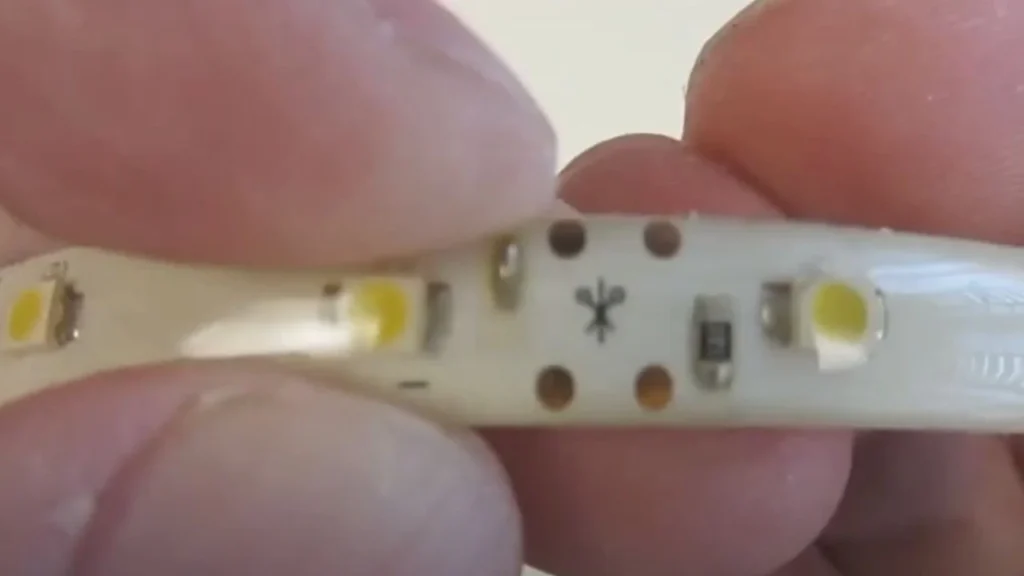
LED lights come in various colors, shapes, sizes, wattages, and brightness levels, making it easy to find the perfect LED light for any purpose or application. Moreover, LED lights also require less energy to run compared to traditional incandescent bulbs, making them an environmentally friendly option. If you’re curious about how to check the performance of your lighting setup, learning to test Christmas lights with a multimeter can be helpful. LED lights are quickly becoming the go-to lighting choice for households and businesses worldwide.
Cost Effective

LED lights offer a cost-effective and energy-efficient solution that saves money on electricity bills while providing reliable, long-lasting illumination. LED lights are highly recommendable for anyone looking to upgrade their current lighting system, and to ensure proper electrical testing, you might find the AstroAI MUS10KRD multimeter a useful tool for the job.
Affordable
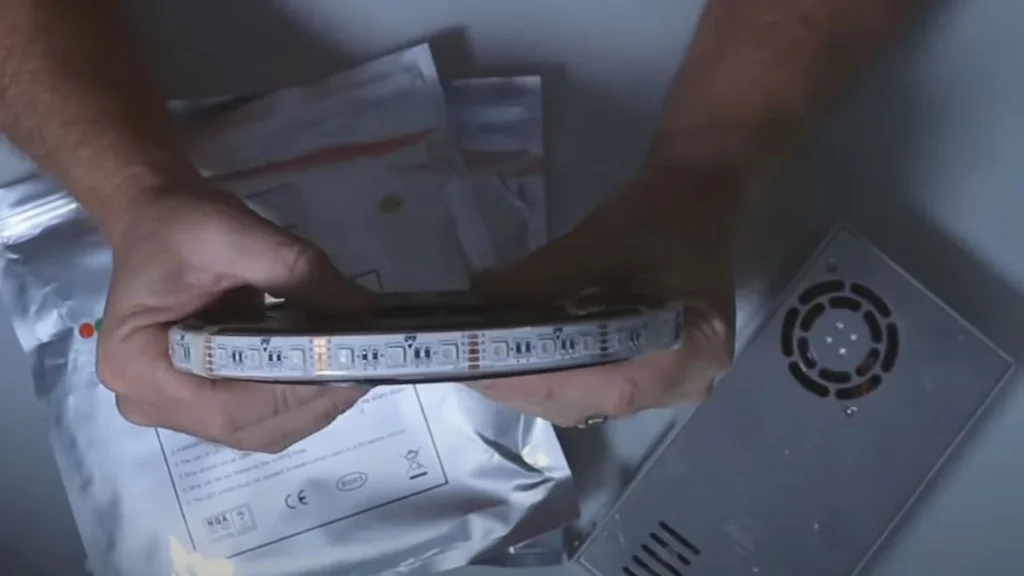
With their affordability, durability, and efficiency, LED lights are an excellent investment for any property. As technology advances, we can only expect more advancements in LED lighting that will make it more cost-effective and energy-efficient than ever before. LED lights are a reliable and smart choice for anyone looking for an upgrade to their current lighting system, and they offer plenty of fun possibilities, like making Christmas lights blink.
How do LED lights work?

LED lights are one of the most reliable lighting technologies available. Invented in 1962, LED (Light Emitting Diode) technology has advanced significantly over the years and is now featured in various home, commercial and industrial applications. How do LED lights work?
LEDs are semiconductors, devices that can control the flow of electricity through them. Electric current passing through a semiconductor produces light – this is how LED lights work. LEDs are more efficient than traditional lighting sources because they produce less heat and use much less energy.
What is the difference between LED and other light bulbs?

LED light bulbs are becoming increasingly popular due to their energy efficiency, long life span, and superior lighting capabilities. LEDs use much less electricity than incandescent and halogen lights, making them a cost-effective option in the long run. They also emit very little heat when operating, so they don’t contribute to global warming like traditional bulbs.
LED bulbs also last up to 25 times longer than incandescent, halogen, or CFL lights, so you don’t have to worry about replacing them as often. The light emitted from LEDs is brighter and crisper than traditional lighting, creating a superior ambiance in any room especially useful during festive setups where knowing how to troubleshoot Christmas lights becomes essential.
With the advancement of technology, LED light bulbs are now available in various shapes and sizes, making them better suited to fit any space. LEDs are also more efficient than other types of bulbs, so they don’t shatter easily as incandescent or halogen lights can.
These features make LED light bulbs the perfect choice for anyone looking to upgrade their lighting situation.
Why Buy LED Lights?
LED lights are an excellent option for homeowners and businesses that want to save money on their energy bills while taking advantage of the latest lighting technologies. A common question that arises is, “Do LED lights use a lot of electricity?” The answer is no – LED lights are more efficient than traditional incandescent bulbs, emitting more light with less energy usage.
They also last much longer than standard bulbs so you can enjoy your LED lights for many years. And in case a section stops working, knowing how to find the burnt bulb in Christmas lights can help you fix the issue quickly. Additionally, LED lights are available in various colors and brightness levels so that you can customize the lighting in your home or business to best suit your needs.
Furthermore, LED lights don’t put off as much heat as conventional bulbs, reducing the risk of fire hazards associated with high temperatures.
Bottom Line
Does led lights use a lot of electricity? Overall, Led Lights are an excellent option for anyone looking to reduce energy costs. While still having access to high-quality light sources with an extended life span. Led lights to provide bright and consistent illumination, require minimal maintenance, and last longer than most other types of lighting, making them a smart choice for any home or business owner.
FAQs
Q1. How much electricity do LED lights actually use?
LED lights use about 75% less electricity than traditional incandescent bulbs. A 10-watt LED can easily replace a 60-watt incandescent, giving you the same brightness at a fraction of the power. This efficiency holds true even when testing components like a LED backlight board, where low power usage meets high performance.
Q2. Do LED lights increase the electric bill?
Not at all. LED lights help reduce your electric bill. Their low power consumption and long lifespan make them one of the most cost-effective lighting options available, especially when paired with well-maintained electrical wiring.
Q3. Can LED lights run continuously without overheating?
Yes, they can. LED lights produce minimal heat, so they’re safe for continuous use. Unlike traditional bulbs, they won’t overheat or pose a fire risk when left on for extended periods.
Q4. Are all LED lights energy-efficient or do some use more power?
While most LED lights are energy-efficient, efficiency can vary based on brand, quality, and design. For the best results, choose certified energy-saving LEDs with high lumens per watt ratings.