
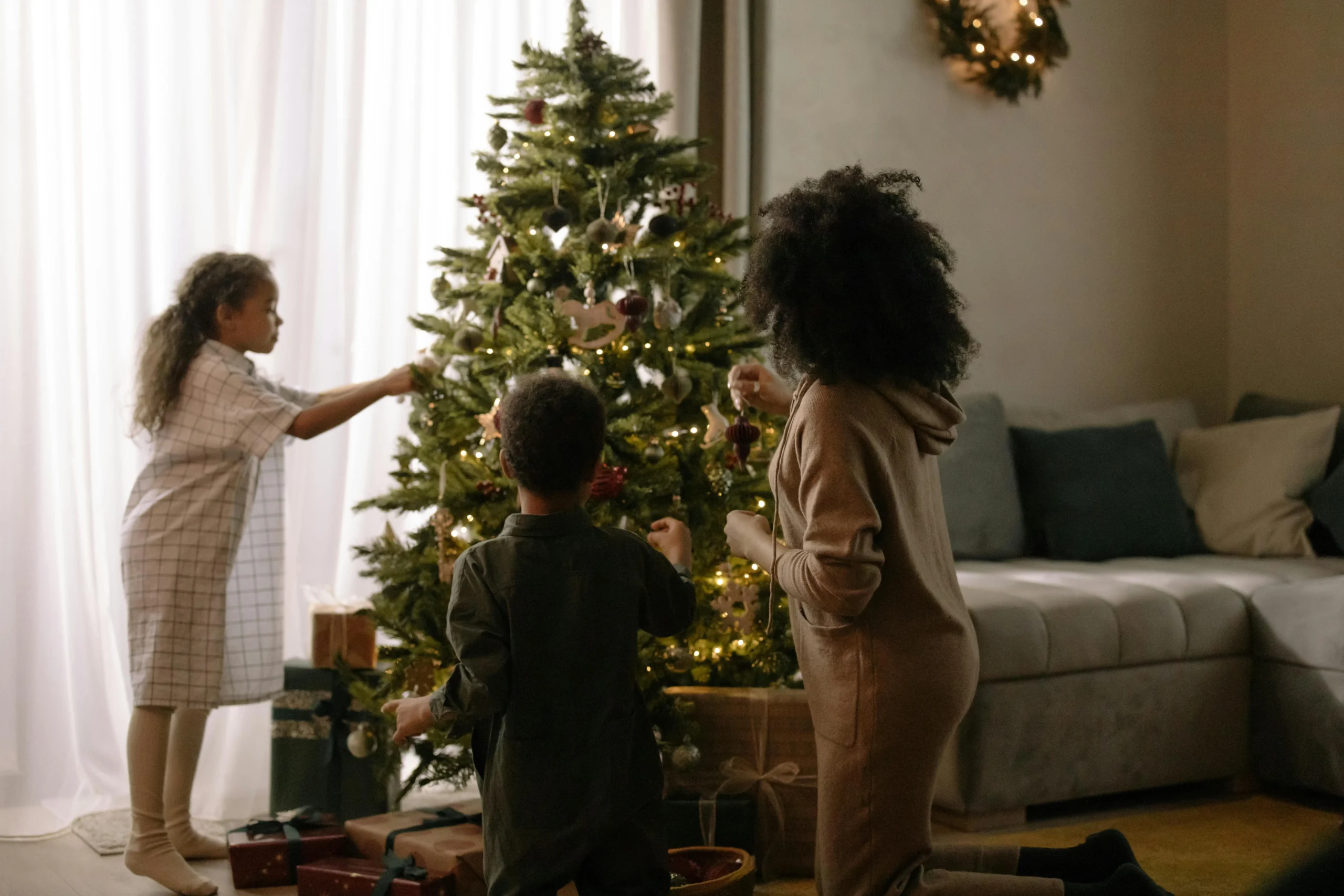

Figuring out how to find the burnt bulb in Christmas lights can feel like a tedious task, but with the right approach, you can solve the problem quickly and get your holiday decorations back on track.
One of the most frustrating things about decorating for the holidays is plugging in your Christmas lights, only to find that one burnt bulb has caused the entire strand to stop working.
A Quick Look
Trust me, I’ve been there! In this guide, I’ll walk you through the best methods to find the burnt bulb, offering practical tips from my personal experience. Whether you’re using incandescent lights or LED lights, I’ll show you how to troubleshoot step-by-step.
NOCO Boost Plus GB40
⭐ 4.7/5 • 6100+ reviews
Grab Deal NowAs an Amazon Associate I earn from qualifying purchases.
Quick Fix
To quickly find a burnt bulb in your Christmas lights, first check for any loose or visibly damaged bulbs and replace them. Use a light tester to locate the section where the power stops flowing. Then, replace each bulb one by one in that section until the lights come back on.
Why a Single Burnt Bulb Affects the Whole Strand
Before diving into how to find the burnt bulb, it’s important to understand why one bulb can cause the entire strand to fail. Most Christmas lights are wired in a series circuit, meaning the electrical current flows through each bulb in turn. If one bulb burns out, the circuit is broken, and all the lights stop working.
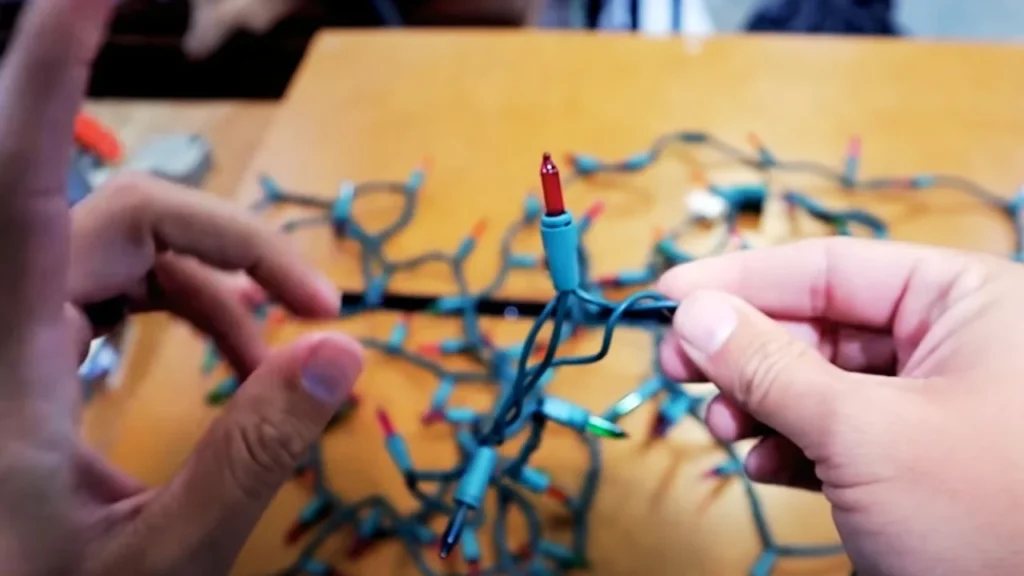
This is more common in older incandescent lights, where the current stops flowing when a bulb is out. Modern LED lights are sometimes designed differently, allowing the rest of the string to stay lit even if one bulb burns out.
Tools You’ll Need to Find a Burnt Bulb
Before you start looking for the burnt bulb, gather a few simple tools that will make the process easier. Having the right tools on hand will save you time and frustration.
Here’s what you’ll need:
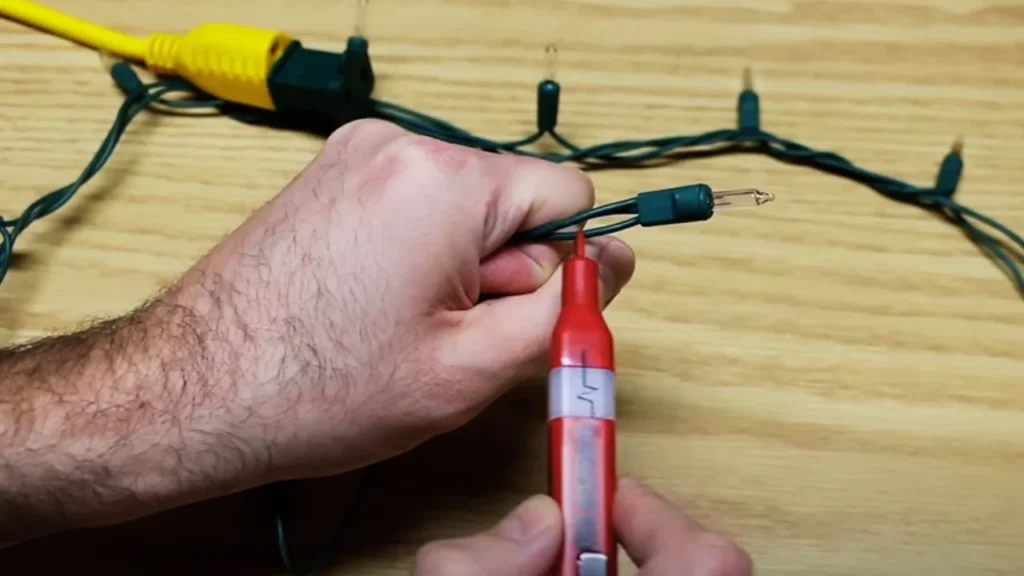
- Light Tester: This tool helps you quickly identify the faulty bulb. It’s a small investment that can save you a lot of time.
- Replacement Bulbs: Always have a few spare bulbs on hand that match your string of lights. Most light sets come with extras.
- Gloves: Wear gloves to protect your hands while removing bulbs. This is especially important for older, fragile bulbs.
- Multimeter: If you want to get technical, a multimeter can help measure electrical continuity and pinpoint which bulb has failed.


How to Find the Burnt Bulb in Christmas Lights: Step-by-Step Guide
Now let’s get into the actual process of finding and fixing the burnt bulb in Christmas lights. This step-by-step guide will make it easy to troubleshoot your lights and get them working again.
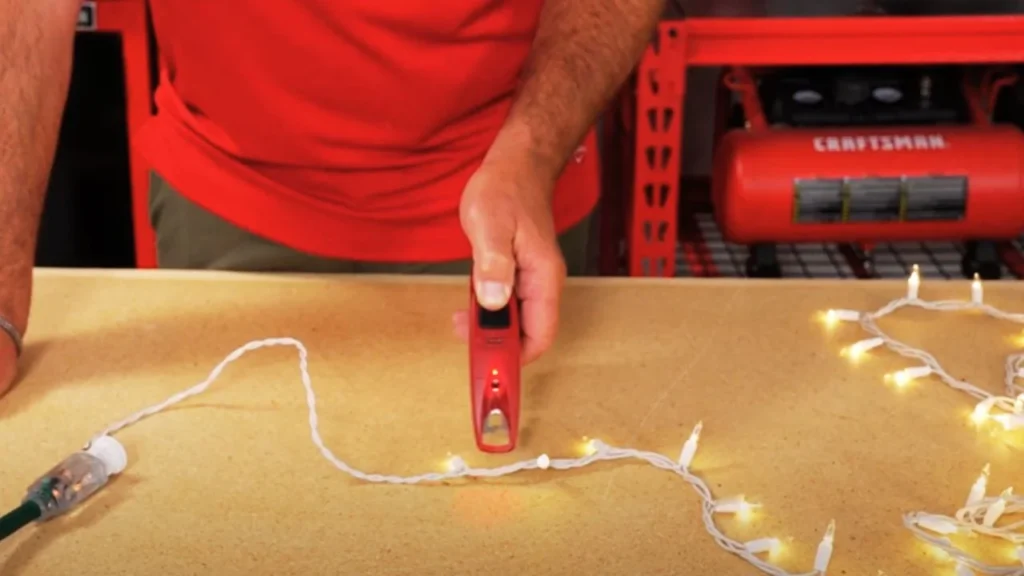
1. Check for Obvious Issues First
Before testing each bulb, take a quick look at the string. Sometimes, the problem isn’t even a burnt-out bulb. Make sure all the bulbs are tightly screwed in. Loose bulbs can break the circuit just like a burnt one. Look for any bulbs that are visibly damaged, blackened, or broken. These are often easy to spot without tools.
I’ve found many problems by just inspecting the lights first. If you spot a damaged bulb, remove it and replace it with a spare. If that doesn’t solve the issue, move to the next step.
2. Test the Entire Light String
Before you start removing bulbs, test the string with a light tester. This tool detects whether electricity is flowing through the string, helping you locate the section where the burnt bulb might be. You can find a good tester for around $10-20, and it works by placing the tester near each bulb to see if it’s receiving power.
- How to use it: Unplug the lights and use the tester to check the bulbs along the strand. When the tester detects no current, you’ve likely found the area with the faulty bulb.
A light tester saved me a lot of time during my last holiday setup. It quickly helped me narrow down the area where the burnt bulb was hiding.
3. Isolate Sections of the String
If the string is long, it’s often helpful to break it down into sections. Many Christmas lights are designed with two or more sections, so if one section goes out, the others might still work.
- How to do it: Plug the lights in and gently bend the wire to isolate different parts of the string. When you find the section where the lights are out, unplug the strand and focus on just that area.
I’ve found that this method works well when dealing with a long string of lights. It saves you from having to check each bulb on the entire string.
4. Test Each Bulb Individually
Once you’ve narrowed down the faulty section, you’ll need to check each bulb one by one. This is where your spare bulbs come in handy.
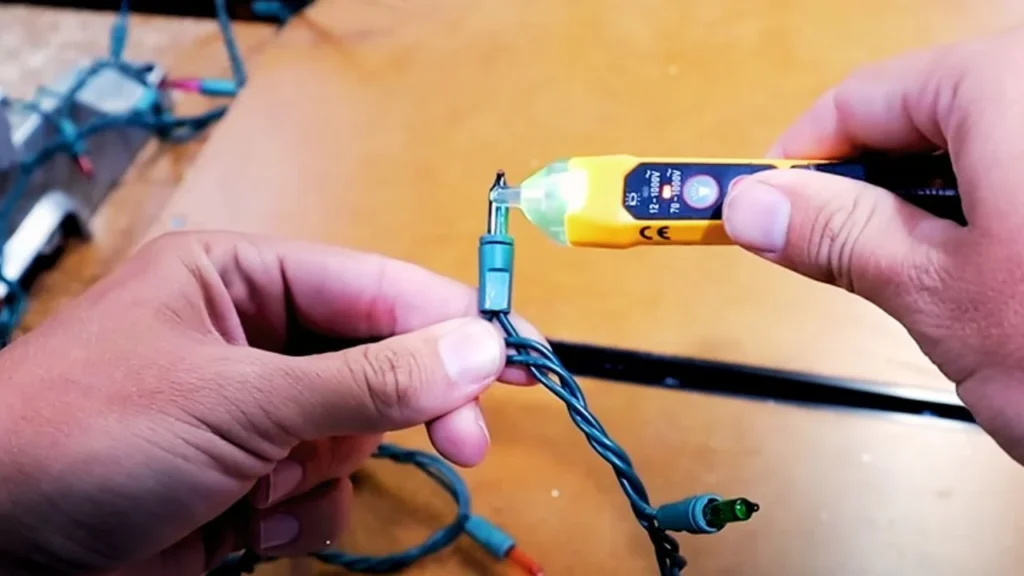
- How to test: Unplug the lights, and starting with the first bulb in the faulty section, remove it and replace it with a working bulb. Plug the string back in and see if the problem is fixed. If the lights still don’t work, repeat the process with the next bulb.
This step can feel tedious, but it’s the most reliable way to find the burnt bulb. One time, I had to go through nearly half the string before finding the culprit, but it was worth it in the end!
5. Use a Multimeter for More Precision
If you want to be more precise, you can use a multimeter to test for continuity in each bulb. A multimeter can quickly show you whether a bulb is broken without the need for replacing each one.
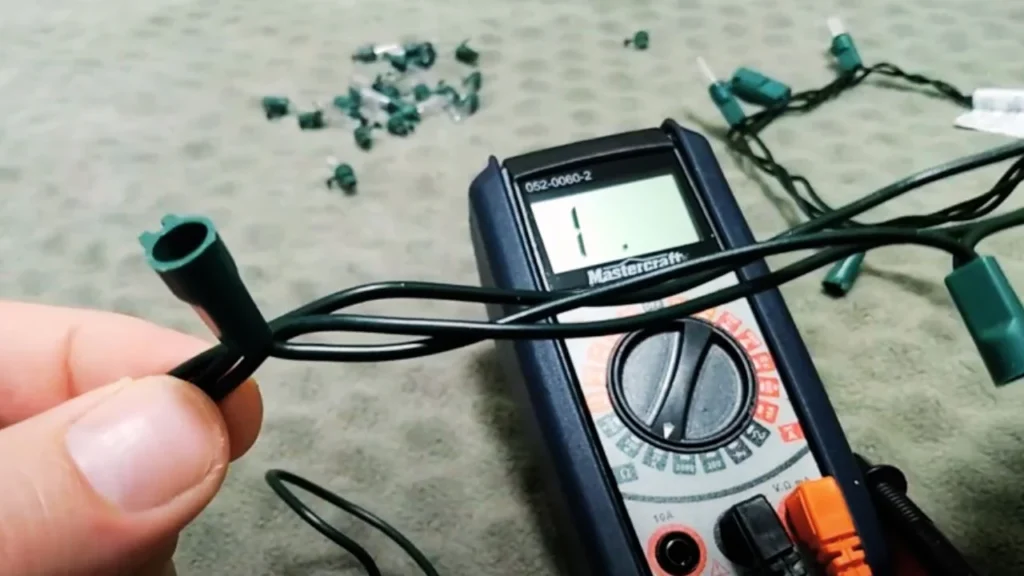
- How to use it: Set the multimeter to measure resistance (usually labeled “Ω” for ohms). Touch the two leads to the metal contacts at the base of the bulb. If the multimeter reads infinity, the bulb is burnt out.
I’ve used this method when I wanted a quicker solution for larger light strings. If you’re comfortable with gadgets, this method is fast and accurate.
How to Identify Burnt Bulbs in LED Lights
LED lights are a bit different from traditional incandescent lights. They are more durable and energy-efficient, but when one bulb burns out, finding the bad bulb can be a bit tricky.
Here’s how to check for burnt LED bulbs:
- Check for Blackened Bulbs: Some LED lights will show visible signs of a burnt bulb, like a darkened or cloudy bulb. This is usually a good indicator of a faulty LED.
- Use a Light Tester: Just like with incandescent lights, you can use a tester to check for current in LED lights. This will help you pinpoint which bulb has failed.
- Replace with Caution: LED light strands are designed differently, and sometimes they come with a fuse built into the plug. If replacing the bulb doesn’t fix the issue, the fuse might be the problem.
One year, I used a light tester on my LED outdoor lights and found that a couple of bulbs were dead. Replacing them was straightforward, but it’s always good to check the fuse if you can’t get the lights working.
Preventing Burnt Bulbs in the Future
The good news is that there are steps you can take to prevent burnt bulbs and make your lights last longer. Here are a few tips that I’ve found helpful over the years:
1. Handle Lights Carefully
Bulbs can burn out due to damage during handling. Always store your lights in a safe, dry place after the holidays, and avoid putting too much pressure on the bulbs when you install or take them down.
2. Avoid Overloading Circuits
Overloading a circuit can cause bulbs to burn out more quickly. Plugging too many light strings into one outlet can create excess heat, damaging the bulbs. Use multiple outlets or a power strip designed for Christmas lights to spread the electrical load.
3. Replace Burnt Bulbs Quickly
If a single bulb burns out, it puts extra stress on the remaining bulbs. Replacing burnt bulbs as soon as possible can prevent further damage to the string.
Other Common Christmas Light Issues
Sometimes, a burnt bulb isn’t the only problem with your Christmas lights. Here are a few other common issues you might encounter and how to solve them:
1. Blown Fuses
Many modern light strings come with fuses built into the plug. If your entire string of lights won’t turn on, check the fuse first. You can find replacement fuses at most hardware stores.
2. Loose Connections
Loose or faulty connections between the wires and the bulb socket can cause problems. Make sure all the bulbs are tightly connected to the sockets.
3. Corrosion
If your lights have been exposed to moisture (especially outdoor lights), corrosion can form on the contacts, preventing the lights from working properly. Clean the contacts with a small brush to remove any buildup.
Conclusion
So, How to find the burnt bulb in Christmas lights may seem like a hassle, but with a few simple tools and a methodical approach, it’s easier than you think. Whether you use a light tester, multimeter, or just replace bulbs one at a time, you’ll be back to enjoying your festive lights in no time.
By taking steps to prevent burnt bulbs and handling your lights with care, you can make your Christmas decorations last longer and avoid frustration during the holiday season.
From my experience, patience is key—take your time, and you’ll have those lights sparkling again before you know it!
FAQ’s
Here are some common questions I get asked about finding burnt bulbs:
1. How can I quickly find the burnt bulb?
Using a light tester is the fastest way to locate the burnt bulb. This tool will help you detect where the current stops and identify the faulty bulb.
2. Why won’t my Christmas lights turn on at all?
If the entire string won’t light up, it could be a blown fuse or a loose connection. Start by checking the fuse in the plug and inspecting the bulbs for loose connections.
3. What happens if I don’t replace a burnt bulb?
If you leave a burnt bulb in the string, it can put extra strain on the other bulbs, causing them to burn out faster. It’s best to replace the faulty bulb as soon as possible.