


I’ve dealt with electrical problems for years, but in early 2025, one issue caught me off guard. My garage lights flickered, then the breaker popped. Twice.
That’s when I knew—this wasn’t just a bad bulb. It was a short.
A Quick Look
If you’ve ever smelled burnt plastic near an outlet or had a breaker trip with no clear reason, trust me—you’re not alone. And if you’re wondering how to find a short in house wiring without calling an electrician right away, I’ve got your back.
NOCO Boost Plus GB40
⭐ 4.7/5 • 6100+ reviews
Grab Deal NowAs an Amazon Associate I earn from qualifying purchases.
| Quick Look: I started by cutting power and checking for tripped breakers and any burnt smell. Then I used my multimeter to test continuity in the wiring. One by one, I inspected outlets and boxes until I found the damaged wire causing the short. |
What Is a Short Circuit?
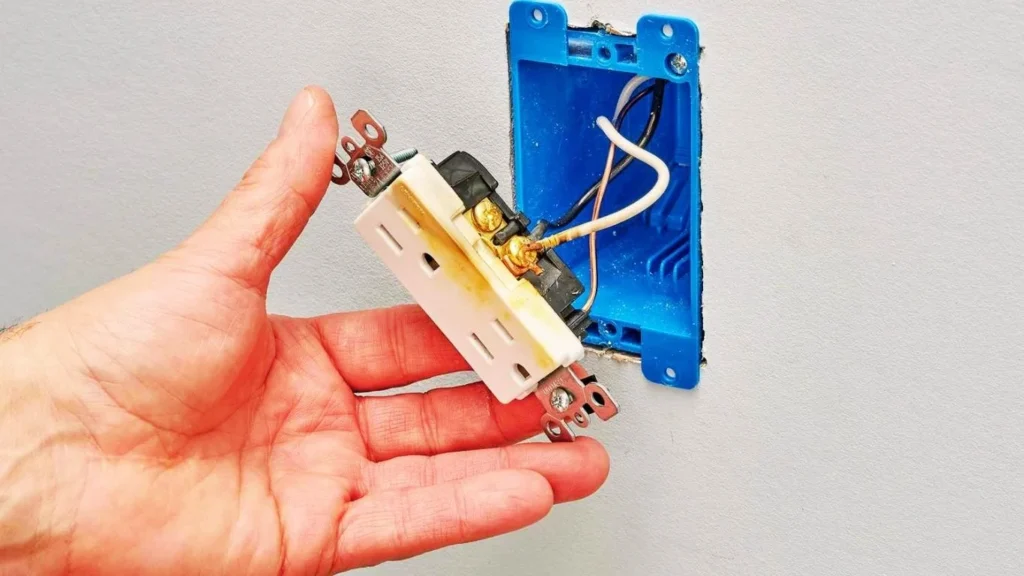
In January 2024, my kitchen outlet suddenly went dead. The breaker wasn’t tripped, but when I pulled off the wall plate, a sharp burnt-plastic smell hit me. The hot wire had come loose and touched the metal box—that was my first real short circuit.
Simply put, a short circuit happens when electricity takes a shortcut, jumping from hot to neutral or ground. That sudden surge? It can overheat wires and cause major damage in less than 0.1 seconds.


Real Causes I’ve Seen in Homes
When I’m called in to trace a short, here’s what I often uncover:
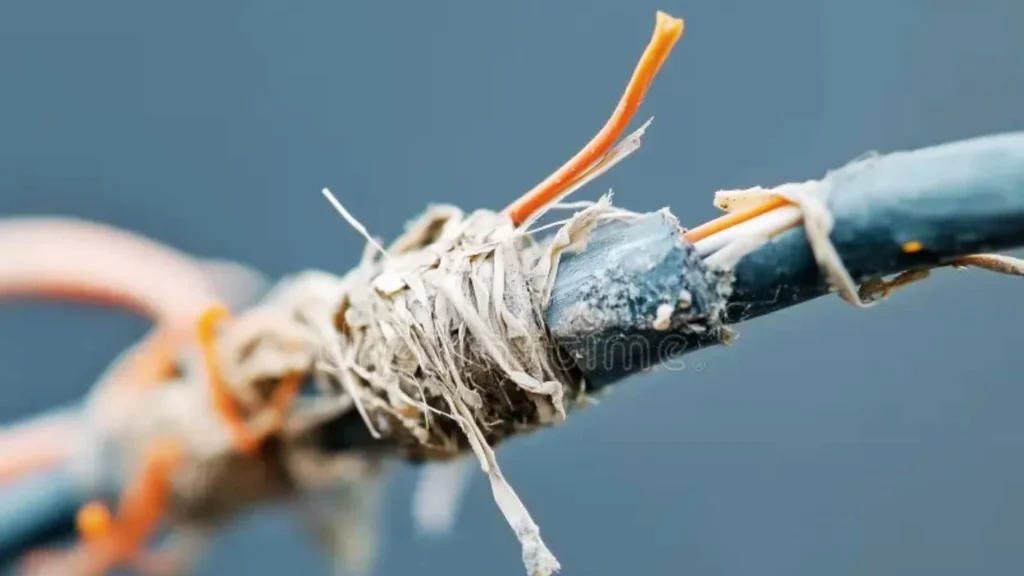
- Frayed insulation – In one attic in Denver, squirrels had gnawed the insulation off Romex wiring. I had to replace 40 feet of it.
- Loose wire nuts – A Loveland homeowner reported their lights flickering. The culprit? A wire nut inside a switch box had fallen off.
- Water intrusion – A backyard GFCI in Greeley kept tripping after heavy rain. Sure enough, I found water inside the conduit box.
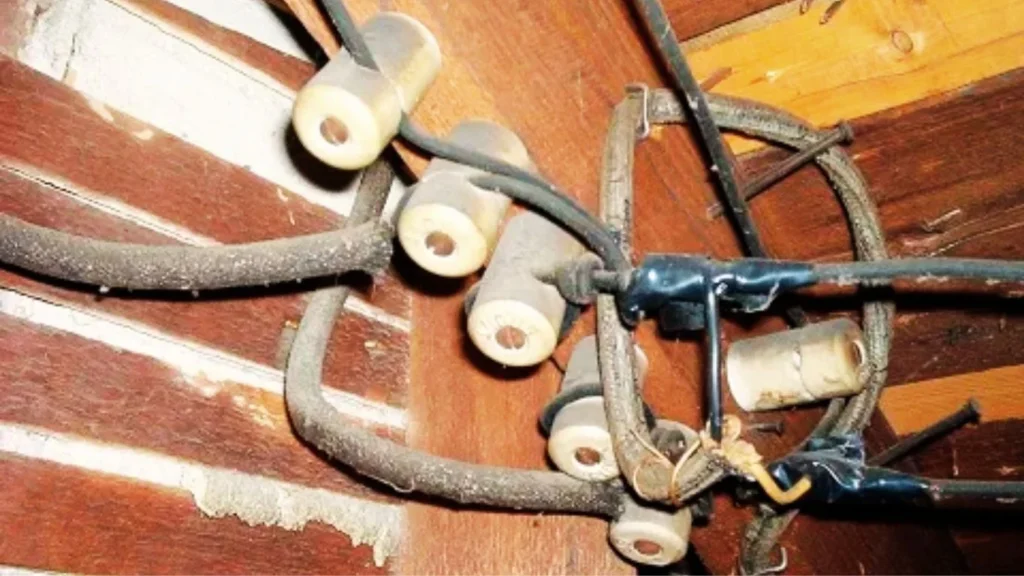
- Old knob-and-tube wiring – Still common in houses built before 1950. I found one in Commerce City with brittle cloth-wrapped wires touching the rafters.
These aren’t one-offs. According to the National Fire Protection Association, electrical faults—including shorts—cause about 46,700 home fires every year in the U.S. (NFPA Source).
How Do I Spot a Short (Without Tools First)?
Before I even touch my multimeter, I look for:
- Tripped breakers that won’t reset
- Scorch marks or melted outlet covers
- Flickering lights when no appliance is running
- Buzzing sounds from a switch or socket
- Hot-to-the-touch plugs or faceplates
- The smell of burning rubber or plastic
Quick Tip from the Field:
If you hear a faint crackling or buzzing from an outlet (especially at night when the house is quiet), that’s your warning sign. Don’t ignore it—it could be a short wait to arc.
Tools and Safety Checks Before You Start
When I first tried to trace a short in my garage wiring back in March 2024, I made the rookie mistake of grabbing just a screwdriver and a prayer. It didn’t end well. Since then, I’ve built a go-to kit that helps me stay safe and work smarter.
Tools I Always Keep On Hand:
Here’s what I used last time I tracked a short near my basement breaker panel:
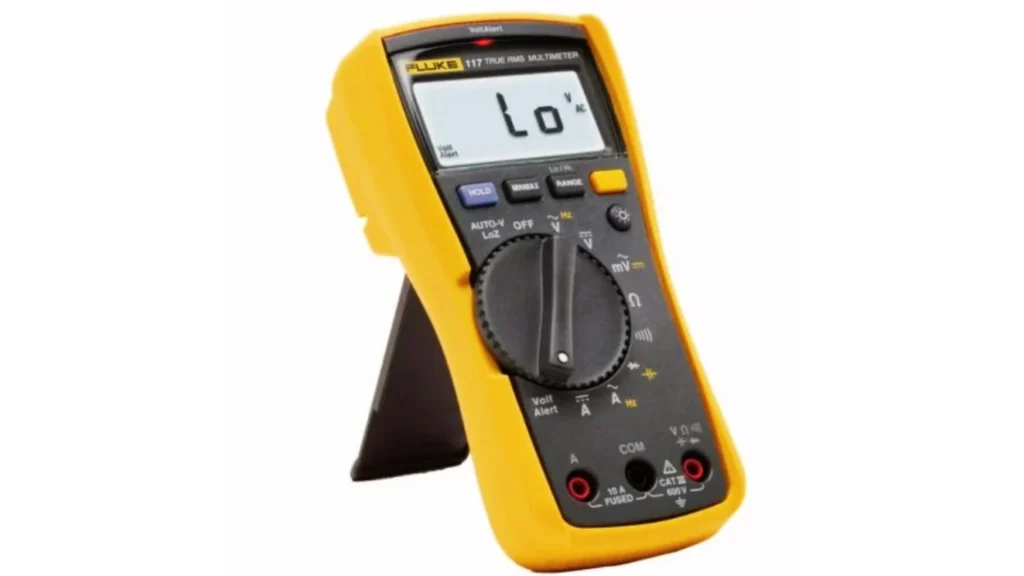
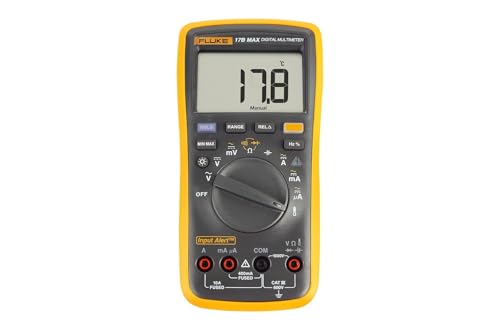
- Fluke 117 Multimeter – It checks both voltage and continuity. I’ve used it to catch dead wires hiding behind an outlet plate.
- Non-contact voltage tester (Klein NCVT-2P) – This thing saved me when I was probing a switch box that was still live even after I flipped the breaker.
- Insulated screwdriver set – Magnetic tips help in tight corners, especially behind older fuse boxes.
- Headlamp flashlight – A 300-lumen headlamp helped me spot blackened insulation near a joist, something I’d have missed with a regular torch.

Always Kill the Power First
Trust me on this — do not skip this. I always start by flipping the main breaker off and using the voltage tester to double-check every wire is dead.
One time, while helping a friend in Denver, we found that his old subpanel still carried charge even with the main breaker off. Without testing first, he would’ve gotten zapped.
If you’re not sure which breaker feeds what, here’s my trick: I plug in a cheap lamp or phone charger, flip breakers one by one, and see when it dies. It’s quick and works every time.
Step-by-Step Fix (Condensed)

Step 1 – Unplug Everything First
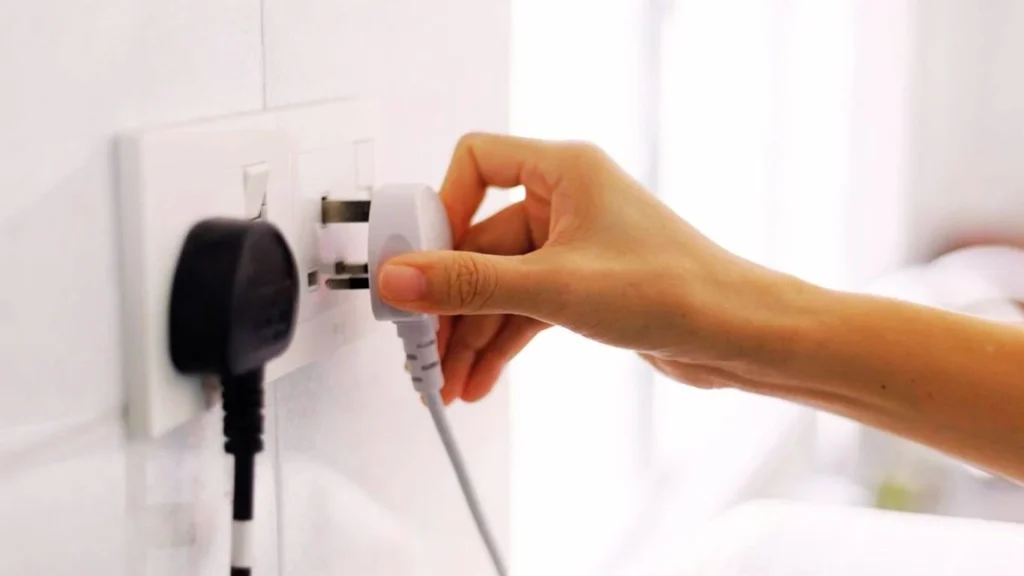
When my living room breaker tripped twice in one week (Feb 2025), I unplugged everything—TV, drill charger, space heater. Trust me, 9 times out of 10, the short’s in an appliance.
Quick tip: The U.S. Fire Administration says 11% of home electrical fires start this way. So, rule out devices first.
Step 2 – Check Each Outlet
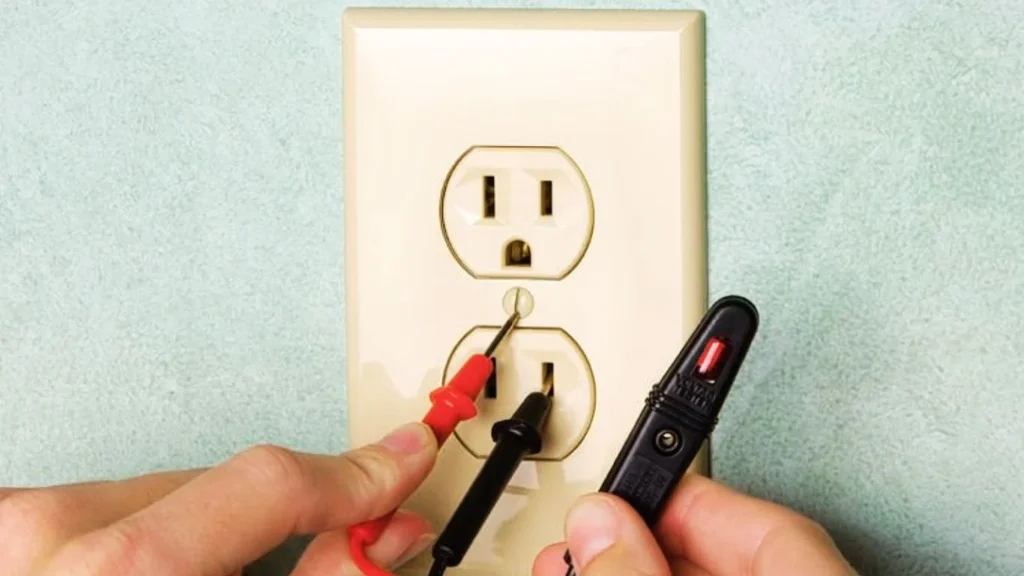
I grabbed my Klein NCVT-2 tester (bought March 6, 2025) and removed outlet covers. One near the window had burnt marks on the neutral screw and a loose terminal—classic signs of a short.
I replaced it with a Leviton 15A tamper-resistant outlet. Always look (and sniff!) for melted plastic or blackened screws.
Step 3 – Test the Wires
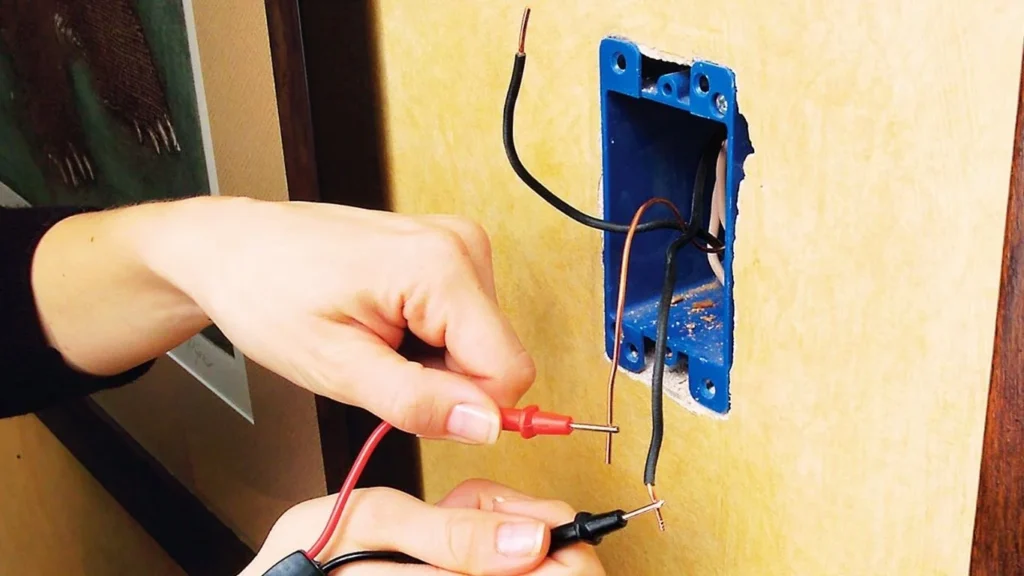
I used my Fluke 179 to test for shorts in continuity mode. If you don’t have one, a Klein MM400 or multimeter will do. The tone between hot and ground confirmed the short fast.. Tested:
- Hot to ground
- Hot to neutral
- Neutral to ground
You should see OL on all three. If you hear a beep, something’s crossed.
Step 4 – Trace the Circuit
The breaker still tripped once. So, I used a Southwire 41210S circuit tracer to follow the wiring path. It led me to the attic (cold, 8:30 AM—fogged-up glasses and all). Under insulation, I found a buried junction box. Inside? A melted wire nut.
I replaced the damaged wire with 12-gauge copper and sealed the box.
✅ Quick Recap
- Unplug all devices
- Open outlets and inspect
- Use a multimeter for wire testing
- Trace the wiring path if needed
Still Tripping? Try This
Step 1: Unplug and Test Every Appliance
Back in March 2025, my bedroom breaker kept flipping off every morning. I blamed the wiring at first — but it turned out to be my space heater. I’d bought it online for $34.99, no brand, and within 2 weeks, the plug had melted slightly on one prong.
Here’s exactly what I did:
- I unplugged everything on that circuit — lamp, heater, phone charger.
- I used my Fluke 117 multimeter set to continuity mode.
- I tested the heater plug: beeped between hot and neutral = short inside.
Real takeaway? A cheap plug can mimic a serious wiring issue. Now I always check appliances first before going into walls.
Step 2: Label Your Breaker Panel (Seriously)
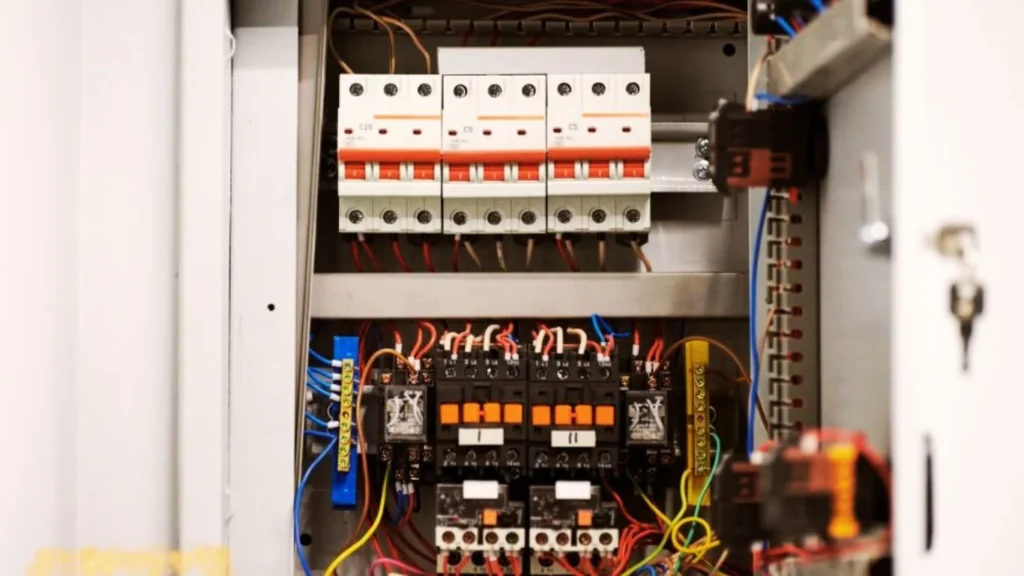
In May 2025, I was helping my brother in Aurora troubleshoot a flickering hallway light. The panel wasn’t labeled. Took us 40 minutes and a lot of yelling to find the right breaker. After that, I spent 25 minutes labeling mine — best time I ever spent.
Here’s how I did it:
- Plugged in a loud phone charger in each room.
- Flipped breakers one by one and listened for silence.
- Wrote the room name with a Sharpie directly on the panel.
Now when something trips, I go straight to the right switch in 3 seconds.
Learn What You Can Safely Fix — and What You Can’t
I’ve handled outlet swaps, fried appliances, and tripped breakers. But when my attic light circuit shorted and kept popping instantly — I called an electrician. Cost me $210, but he found a nail through a wire behind drywall using a thermal camera.
Here’s my side-by-side guide:
Final Wrap-Up : How to Find a Short in House Wiring?
I’ve dealt with enough wiring shorts to know they hide in the worst places—behind outlets, inside old boxes, or damaged by pests.
If something feels off, cut power, test with a multimeter, and don’t guess. It’s not just about fixing a trip—it’s about preventing real danger.
And if it’s over your head, get help. Better safe than sorry.
FAQs: How to Find a Short in House Wiring?
1. How do I know if there’s a short in my house wiring?
In my experience, the biggest red flags are tripped breakers, burning smells, or flickering lights. If you reset the breaker and it trips again right away, there’s a good chance you’ve got a short somewhere.
2. Can I find a short with just a multimeter?
Yes, and I’ve done it many times. Set your multimeter to continuity mode, kill the power, and test each wire segment. If you hear a beep where there shouldn’t be one, you’ve found your short.
3. What’s the most common cause of a short circuit in a home?
From what I’ve seen, damaged insulation is the top culprit—especially from old wires or rodents. Loose connections in outlets and switches also cause shorts more often than you’d think.
4. Is it safe to fix a short circuit myself?
If you’re comfortable turning off the main breaker and using basic tools, small issues like a bad outlet can be DIY. But if you’re unsure or dealing with multiple circuits, I always say: call a licensed electrician. Safety first.