


Wondering how to test nox sensor with multimeter? Recently, I noticed that my car wasn’t performing as well as usual. It started with a slight decrease in power, but soon, the check engine light came on, and my fuel consumption seemed to skyrocket.
I suspected it might be the NOx sensor a critical component in controlling emissions and ensuring optimal engine performance. After doing some research, I decided to take matters into my own hands and test the NOx sensor using a multimeter. Here’s how I went through the process and how it all turned out.
A Quick Look
Quick Fix:
To test a NOx sensor with a multimeter, ensure the multimeter is set to measure voltage, then connect the probes to the sensor’s terminals while the engine is running. Compare the readings with your vehicle’s service manual to diagnose issues accurately.
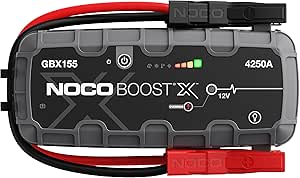
NOCO Boost Plus GB40
⭐ 4.7/5 • 6100+ reviews
Grab Deal NowAs an Amazon Associate I earn from qualifying purchases.
How I Recognized the Problem of a Failed NOx Sensor?
NOx sensor failure symptoms: The first clue that something was wrong came when the check engine light illuminated on my dashboard. Initially, I thought it might be something minor, but then I noticed my car was using more fuel than usual.
The engine felt less powerful, and acceleration was sluggish. I knew that these issues could point to a range of problems, but my gut feeling was that the NOx sensor was the culprit. Testing a wheel speed sensor with a multimeter is an essential skill for diagnosing ABS or traction control issues.
Why Addressing NOx Sensor Failure is Important?
I understood that a faulty NOx sensor could lead to more than just poor fuel economy. The NOx sensor plays a vital role in reducing harmful emissions by monitoring nitrogen oxide levels in the exhaust gases.
If the sensor isn’t working correctly, it can cause the engine to run inefficiently, increase emissions, and potentially damage other components like the catalytic converter. Ignoring this problem wasn’t an option, so I knew I had to figure out whether the sensor was indeed the issue.
How To Test Nox Sensor with Multimeter | 6 Easy Steps
So, how to check NOx sensor functionality? After doing some research and talking to a few friends who are more mechanically inclined than I am, I decided to test the NOx sensor myself using a multimeter. This wasn’t something I had done before, but with the right tools and a bit of patience, I felt confident I could handle it.
Step 1: Gathering the Necessary Tools
Before I started, I made sure I had all the tools I needed:

- Digital Multimeter: I borrowed a reliable multimeter from a friend. It was capable of measuring voltage, resistance, and continuity, which was exactly what I needed.
- Service Manual: I downloaded the service manual for my car model, which provided the NOx sensor’s expected voltage range and a wiring diagram.
- Protective Gear: I put on some safety glasses and gloves. Better safe than sorry when working with electrical components.


Step 2: Locating the NOx Sensor
The next step was to locate the NOx sensor. According to the service manual, it was mounted in the exhaust system, just after the SCR (Selective Catalytic Reduction) catalyst. I had to lift the car slightly to get better access to the sensor.

It took a bit of time and a few glances at the manual, but eventually, I found it. With the car safely elevated and the engine off, I was ready to test the sensor.
Step 3: Setting Up the Multimeter
I set up the multimeter for the tests I was about to conduct. Since I needed to check the sensor’s output voltage, I set the multimeter to the voltage setting. I also made sure I knew how to switch to continuity mode for checking the wiring.

Step 4: Testing the Sensor’s Voltage Output
Here’s where things got interesting. I had to start the engine because the NOx sensor only generates a voltage signal when it’s exposed to exhaust gases.
I turned the key, and with the engine running, I connected the multimeter probes to the NOx sensor’s signal wire and ground. The service manual was invaluable here, helping me identify the correct terminals.
The multimeter displayed a voltage reading that fluctuated as expected. I compared this reading with the specifications in the manual. If the reading had been off, it would have indicated a faulty sensor.

Thankfully, the voltage was within the expected range, suggesting that the sensor itself might be okay. Ensure your engine runs smoothly starts with understanding how to test a fuel rail pressure sensor with a multimeter.
Step 5: Performing a Continuity Test on the Wiring
Even though the voltage readings were within the correct range, I wasn’t done yet. I needed to check the wiring to ensure there were no breaks or shorts. I turned off the engine to avoid any electrical hazards while working on the wiring. After the engine was off, I carefully unplugged the NOx sensor from the vehicle’s wiring harness.

With the multimeter set to continuity mode, I touched the probes to the sensor’s electrical connectors. The multimeter beeped, indicating that the circuit was complete, and there were no breaks in the wiring. This was a good sign, but it also meant the sensor might still have issues under certain conditions, or there could be an intermittent fault.
Step 6: Analyzing the Results
With the tests complete, I had a much clearer picture of what was going on:
Both the voltage output and continuity tests were within the specified range. The supply voltage of NOx sensors is limited within 9 – 36 Volts and the signal voltage ranges from 2.45 to 3.6 Volts.
This initially suggested the sensor might not be the problem, but I wasn’t entirely convinced, given the symptoms my car was exhibiting.
I realized that while the sensor appeared to be functioning during the test, it might still be experiencing intermittent issues that weren’t detected in this snapshot test. If you’re experiencing inconsistent speed readings, knowing how to test a speed sensor with a multimeter is crucial.
How I Solved the NOx Sensor Problem?
NOx sensor troubleshooting guide: Given the results, I had to make a decision. I could either replace the sensor as a precaution or wait and see if the problem persisted. After weighing the pros and cons, I decided it would be best to replace the sensor.
I Replaced My NOx Sensor

- Purchasing a Replacement Sensor: I chose to go with an OEM (Original Equipment Manufacturer) NOx sensor, as I wanted something that would be fully compatible with my car’s ECU. I ordered it online and waited a few days for it to arrive. Before starting the replacement, I disconnected the vehicle’s battery to avoid any electrical shorts while working on the sensor.
- Removing the Old Sensor: With the car still elevated, I carefully removed the old NOx sensor from the exhaust system. It was a bit tricky to unscrew, but with some effort, I got it out. Installing the new sensor was straightforward—I just screwed it into place and reconnected the electrical connector.
- Reconnecting the Battery: Once the new sensor was in place, I reconnected the battery and started the engine to see if everything was working correctly.
My Post-Replacement Observations
After replacing the NOx sensor, the check engine light turned off, and the car’s performance noticeably improved. The fuel consumption returned to normal, and the engine’s power was back to where it should be. I took the car for a long drive, and everything seemed to be in perfect working order. The decision to replace the sensor paid off, and I was relieved to have resolved the issue without having to visit a mechanic.
I Also Considered OEM NOx Sensors
I’m glad I opted for the OEM sensor. These sensors are designed to meet the exact specifications of the vehicle’s ECU, which means they are more reliable and have a longer lifespan compared to some aftermarket options.

While the OEM sensor was slightly more expensive, it was worth the peace of mind knowing that it was fully compatible and would help keep my car running efficiently. Accurate oxygen sensor readings are vital for optimal engine efficiency, and learning how to test an O2 sensor with a multimeter can help you ensure these readings are correct.
Regular Maintenance and Inspection
Diagnosing NOx sensor issues experience taught me the importance of regular vehicle maintenance and inspection. Moving forward, I plan to keep a closer eye on the NOx sensor and other critical components to ensure they’re functioning correctly. Regular checks can help catch issues early before they lead to more serious and costly problems.
The throttle position sensor (TPS) is crucial for smooth acceleration. Learning how to test a TPS sensor with a multimeter ensures that this sensor is providing accurate data to your vehicle’s ECU.
Safety Guide for Testing NOx Sensor with Multimeter
- Disconnect the vehicle’s battery before starting any work.
- Allow the engine to cool completely to prevent burns.
- Wear safety glasses and gloves for protection.
- Work in a well-ventilated area to avoid harmful fumes.
- Consult your vehicle’s service manual for specific instructions.
- Use a suitable multimeter and follow its guidelines.
- Exercise caution when handling electrical components.
- Take photos of connections before disconnecting anything.
- Label wires or components if necessary to avoid confusion.
- Seek professional help if you encounter difficulties or uncertainties.
Conclusion:
Multimeter testing for NOx sensors was a valuable learning experience. I gained a better understanding of how this critical component works and how it affects my car’s performance and emissions. By using a multimeter, I was able to diagnose the problem accurately and take the necessary steps to fix it. Hope so, now you know how to test nox sensor with multimeter.
For anyone facing similar issues, I recommend taking the time to diagnose the problem correctly, whether that means using a multimeter yourself or consulting with a professional. Addressing a NOx sensor issue promptly can save you from higher fuel costs, potential engine damage, and increased emissions.
Now that my car is running smoothly again, I feel more confident in my ability to handle similar issues in the future. Regular maintenance and timely repairs will not only help protect the environment but also ensure that your vehicle remains reliable and economical to operate.