


I remember the first time I had to figure out how to test a limit switch with a multimeter—it was one of those moments when I realized just how critical these little devices are for keeping machines safe and functional. If you’ve ever been in the same situation, you know it can seem a bit daunting at first.
However, with a bit of patience and the right tools—specifically a trusty multimeter—it becomes straightforward. In this guide, I’ll walk you through the exact steps I took, sharing insights and tips I’ve learned from hands-on experience in testing a limit switch with a multimeter.
A Quick Look
What is a Limit Switch?
Limit switches work by sensing physical motion. When an object comes into contact with the actuator and an electrical connection is made or breaks, it then signals systems to perform certain actions. I.e, When an item reaches a certain level in a conveyor belt, they can stop it from moving or stop garage doors from closing once they are completely submerged.
NOCO Boost Plus GB40
⭐ 4.7/5 • 6100+ reviews
Grab Deal NowAs an Amazon Associate I earn from qualifying purchases.

Applications of Limit Switches
Limit switches are used in a number of different scenarios and for many different purposes – they’re used to help regulate things like lighting and air flow systems, or to control the opening and closing of automatic doors that open and close on their own. As an added precaution, they may also be able to limit the number of unplanned kickouts.
Industrial Machinery: Monitors and control systems supervise and regulate the movements of machine parts to assure safety in operation, including CNC machines, where sensors monitor the limits of tool travel to prevent collisions.
Limit switches for automotive use are used in a variety of the automotive setting, from safety interlocks (such as determining if doors are open or shut ) to controlling lighting within the car, and many more.
Appliances for the home: One typical appliance in your home is the switch that controls your refrigerator’s lighting, turning the light on when you open it and off when you close the door.

Safety Systems Limit switches are an essential role in safety circuits like emergency stop mechanisms in conveyor belts, where pulling the cord could trigger them to shut down machines. Different types of Limit Switches There are many types of limit switches that are designed to suit different needs:
Limit Switches for Roller Lever: Limit switches that have an end roller of a lever, which is used to identify objects that have minimal friction. This allows for accurate detection. Adjustable models can be customized and some have the ability to adjust as large as 5 centimeters!
Plunger Limit Switch: The switches are activated when an object is pushed downwards on a plunger with various variations, like the roller plunger offering extra functions when the force applied directly does not align perfectly with the intended plunger.
Rotary Gear Limit Switch: For use in wind turbines and rolling doors. These switches are activated at a set number of rotations to avoid excessive rotation and the possibility of damaging components.
Reed and proximity switches: Reed switches sense magnetic fields that are used for proximity sensing applications. While proximity switches, typically replacing limit switches in contemporary applications are operated without mechanical contact. They are more designed for environments that place a high value on toughness.
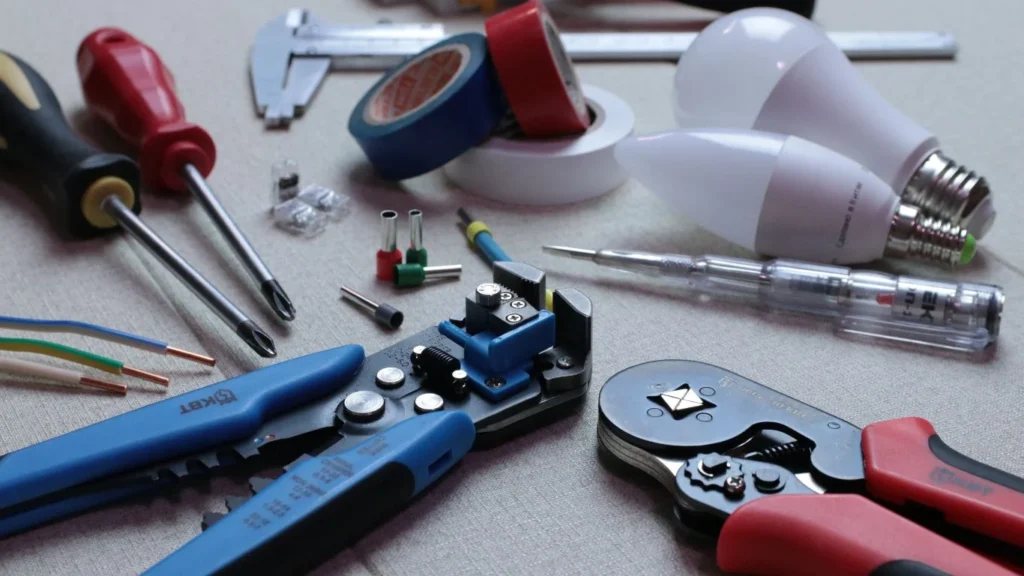
Tools You Need For This Purpose:
Here are some essential tools you need before starting how to test a limit switch with a multimeter successfully. If you’re unfamiliar with using a multimeter, check out this detailed guide on how to use one to ensure accurate testing.
- Multimeter
- Electrical tape
- 16ga wire and ¼” spade connectors (both male and female)
- A lighter
- Needle nose pliers
- Screwdriver set
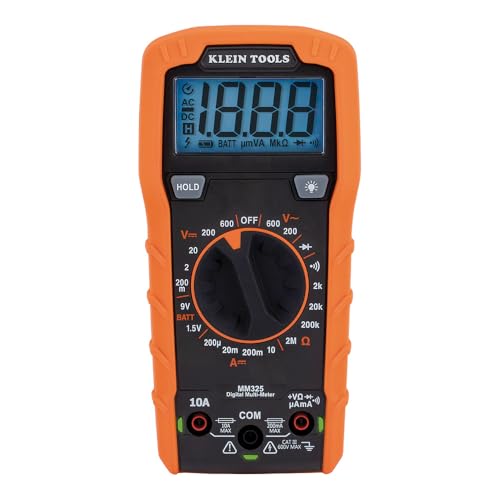

How To Test A Limit Switch With A Multimeter Step-By-Step Guide:

Testing a limit switch with a multimeter is easy with the right steps. This guide will show you how to test a limit switch with a multimeter accurately.
Locate the limit switch and determine its wiring
First, locate the limit switch and determine which wires are connected. Typically, there will be two wires – one for power and one for the signal. Make sure you have identified the correct wires before proceeding any further.
Make sure the multimeter is set to the resistance setting.
Once you have identified the wires connected to the limit switch, set your multimeter to the resistance setting. It will allow you to measure resistance with a multimeter, ensuring you get accurate readings when the switch is closed or open.
Wire the probes to the limit switch.
Next, connect the probes of your multimeter to the limit switch wires. Please ensure they are firmly attached and there is no chance of them coming loose.
Activate The Limit Switch
Once the probes are connected, activate the limit switch. You should see a change in the resistance reading on your multimeter. If there is no change, the switch could be faulty, and you may need to replace it.
Record The Final Reading
The final reading should indicate whether the limit switch is open or closed. Compare it to the expected value—if they match, the switch is working correctly. A good multimeter makes this process much easier, and the Fluke 287 is a great option for accurate troubleshooting.
Turn off the power and disconnect the probes.
Once you’ve completed your testing, disconnect the probes from the switch and turn off the power. It will ensure no chance of electric shock or any other electrical hazards.
Safety Precautions Before Start Working:
Before you begin, it’s crucial to follow safety measures while learning how to test a limit switch with a multimeter. This helps prevent electrical hazards and ensures accurate results.
1. Make sure that the power to the switch is turned off before performing any work on it.
2. Wear protective goggles or other safety gear with electrical equipment.
3. Be careful not to pinch your fingers or other body parts when handling the switch.
4. Use a multimeter to test the continuity of the switch before and after testing.
5. Ensure that all connections are properly insulated with electrical tape.
With these safety precautions in mind, you can test the limit switch with a multimeter. Good luck!

Conclusion
Now you know how to test a limit switch with a multimeter. Always take safety precautions when working with electrical equipment and double-check your readings before concluding any tests. Good luck.
FAQs:
How is the limit switch working correctly?
There are a few things you can do to check the limit switch:
1. First, visually inspect the limit switch to ensure it is properly installed and the contacts are clean and debris-free.
2. Next, use a multimeter to test for continuity between the limit switch terminals. There should be zero resistance when the probes are connected.
3. Finally, activate the limit switch manually and listen for a clicking sound. If you hear a clicking sound, the limit switch functions properly. If you don’t hear a clicking sound, there may be an issue with the limit switch or wiring.
What safety precautions should I take when testing a limit switch?
What tools do I need to test a limit switch?
You’ll need a multimeter and some wire to test a limit switch. First, unplug the machine and remove the cover. Locate the limit switch and disconnect the cables.
Use your multimeter to test the continuity between the two wires; the limit switch works if it reads as closed. You’ll need to replace the limit switch if it doesn’t read as completed. Reconnect the wires and replace the cover before plugging in the machine. For more accuracy, consider testing electrical circuits efficiently with a reliable clamp meter.
What should I do if the reading on the multimeter does not change when activating the limit switch?
If the reading on the multimeter does not change when activating the limit switch, it is likely to be defective. In this case, it would be necessary to replace the limit switch.
Remind the disconnect the power and turn off the machine before replacing the switch.
Can I use a multimeter to test any limit switch?
Yes, you can use a multimeter to test any limit switch. However, it is essential to note that some limit switches require specific resistances, so you should always follow the manufacturer’s instructions before testing.