


How to Test a PCM with a Multimeter this query comes to mind when wondering about the process. PCM testing with a multimeter is possible and can be used to detect any problems in the PCM. To test a PCM with a multimeter, it is best to set it to ohms. You can also check the car charging system for any related issues before proceeding.
Once the area is chosen, and the multimeter is set, locate the ground and power pins on the PCM and connect one of the multimeter’s probes to each pin. If a good connection is made, it should be possible to read a resistance reading on the multimeter.
A Quick Look
Suppose no reading is given, then it could indicate that there might be an issue with the PCM. If the task is present, it should be compared to the manufacturer’s specifications for that particular PCM model. Moreover, if the reading is not within the given range, it could indicate a problem with the PCM.I made the list of best budget multimeters you can check out.
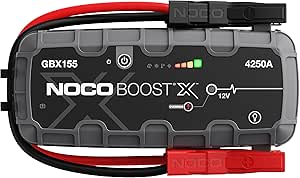
NOCO Boost Plus GB40
⭐ 4.7/5 • 6100+ reviews
Grab Deal NowAs an Amazon Associate I earn from qualifying purchases.
| Quick Look: Testing the PCM with a multimeter is something I’ve found to be pretty straightforward once you know the steps. First, I set my multimeter to ohms and locate the power and ground pins on the PCM. After connecting the probes, I check the resistance and compare the reading with the manufacturer’s specs. If the reading isn’t within range, I know the PCM might be faulty. |
Essential Table for PCM Testing Tools
Symptoms of lousy PCM:
- Car not starting
- Engine running very rough or misfiring
- Check the engine light on
- Excessive fuel consumption
- Stalling or stuttering
- Trouble shifting gears
- Unusual smells coming from the engine compartment
- Electronic issues such as radio, wipers, and headlights not working properly
Testing PCM Modules: How To Test Pcm With A Multimeter?

There are several steps you should follow:
Invest in the right tools
Before starting a process, ensure you have excellent tools and a good testing meter, like knowing how to test a PCM with a multimeter. A multimeter is an essential tool you need to diagnose PCM problems. Check the best multimeter for millivolts which is given below.
Locate the right pins
The first step is to locate the power and ground pins on the PCM. After finding them, carefully connect a multimeter probe to each pin.
Check and compare the readings.
Once you’ve connected the probes, carefully read the resistance on the multimeter. Compare the readings to the manufacturer’s specifications, and if the task is not within its given range, the PCM might have a problem.
Finally, check for any visible signs of damage and corrosion on the PCM, as this could indicate a problem. If any of these issues are present, contact a professional to have the PCM checked and replaced.
Wrapping Up:
We had discussed how to test PCM with a Multimeter including how to test a PCM with a Multimeter. Although, we have discussed the steps to connect the multimeter, read the resistance, and check for visible signs of damage.We also discussed the symptoms of lousy PCM, which include the car not starting, engine issues, and electronic problems.
Finally, we discussed how to properly invest in the right tools, such as a multimeter, and how to compare the readings to the manufacturer’s specifications. With these tips in mind, you should be able to test quickly and diagnose any PCM issues. Good luck!
FAQs:
Q1.How can I test my PCM?
You can test your PCM with a multimeter by setting it to ohms, locating the ground and power pins, and connecting one of the multimeter’s probes to each pin. Once you have connected the probes, carefully read the resistance and compare it to the manufacturer’s specifications.
Q2.What are the symptoms of a bad PCM?
The symptoms of a lousy PCM include the car not starting, engine issues such as misfiring or running rough, check engine light on, excessive fuel consumption, stalling or stuttering, trouble shifting gears, unusual smells coming from the engine compartment, and electronic issues such as radio, wipers, and headlights not working correctly.
Q3.What tools should I use to test my PCM?
The most important tool you need to diagnose PCM problems is a multimeter. You can also invest in tools to help you with the process, such as a voltage tester or an oscilloscope. It is also essential to understand the manufacturer’s specifications for the particular PCM model you are working with. This will help you to compare the readings from the multimeter and determine if there is a problem.
Q4.What should I do if my PCM reading is not within the manufacturer’s specifications?
If your PCM readings are outside of the manufacturer’s specifications, you should check for any visible signs of damage or corrosion on the PCM. You can also find more details on wiring safety and issues on the electrical wiring page. Contact a professional if any issues are present, as this could indicate a problem with the PCM, and it should be checked and replaced. It is always recommended to consult a professional before attempting to repair or replace a PCM.