


Your air conditioning system is made up of a variety of components, one of which is the AC capacitor. The AC capacitor is responsible for providing electrical power to the fan motor and compressor. What happens when an AC capacitor fails is that it can prevent the fan and compressor from functioning properly. If your AC capacitor goes bad, it can cause your air conditioner to stop working correctly or even fail.You can test an AC capacitor to confirm the issue and take appropriate action.
| Quick Look: When my AC acts up, I check the capacitor for damage or poor performance. I use a multimeter to test its voltage and capacitance against the specs. If it’s bad, I safely discharge it, disconnect the terminals, and replace it with a matching unit. It’s a job I leave to the pros to avoid any electrical risk. |
AC Capacitor Failure Symptoms | Table: Diagnosis Process
What Are AC Capacitors?
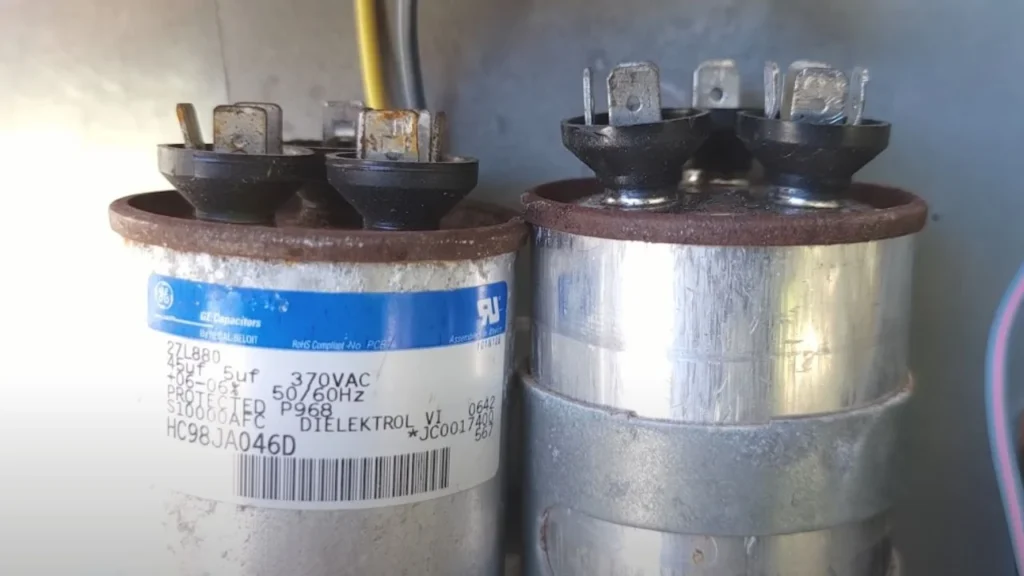
AC capacitors are electrical components that are used to store and release electrical energy. They act as reservoirs, allowing electricity to flow through them at the appropriate times while storing any excess power. So, what happens when an AC capacitor fails? When a capacitor fails, it can lead to malfunctioning or complete failure of your AC unit, causing issues such as poor cooling performance or the inability to start.
A Quick Look
This is crucial in applications where a steady current is needed. AC capacitors can make the supply of electricity more efficient, as they often interact with other parts of an electrical system in order to regulate the overall flow of power.
NOCO Boost Plus GB40
⭐ 4.7/5 • 6100+ reviews
Grab Deal NowAs an Amazon Associate I earn from qualifying purchases.
It’s no surprise that AC capacitors are widely used in residential and commercial settings alike – from ceiling fans and air conditioners to furnaces and refrigerators. When you flip a switch for one of these appliances, it’s likely that somewhere inside an AC capacitor is helping regulate the flow of electricity for maximum efficiency.


What Happens When AC Capacitor Goes Bad | The Signs

A capacitor is a device that stores electrical energy and is essential in many electronic circuits. If your capacitor isn’t working correctly, this can lead to system failures or even complete shutdowns. It’s critical to be able to identify the signs of an impending failure in order to prevent any damage from occurring. In some cases, issues may stem from irregular power flow, so it’s useful to know how to measure AC current to verify proper operation.
1. Physically Damaged Components

One of the most apparent signs of a failing capacitor is physical damage to its components. This could include discoloration, charring, cracking, or other deformities on the outside of the casing or any part of its internal wiring.
Any visible signs like these should be addressed immediately as they can quickly lead to further problems if not fixed in time.
2. Diminished Performance
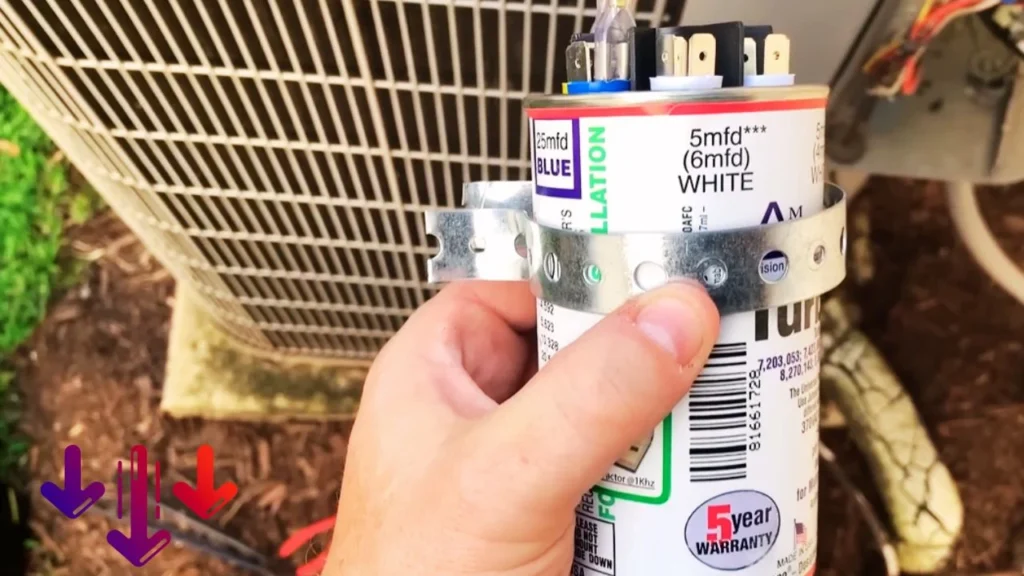
If you are noticing diminished performance from your electronic device while using it, this could be another sign that your capacitor is failing. This could manifest itself as unexplained system slowdowns or unexpected shutdowns when you try to use certain features of the device. In cases like automotive electronics, it can also help to test car wiring to rule out any wiring issues that may contribute to performance drops.
If you notice any performance drop-off when using your device, it’s worth checking out whether it could be related to a failing capacitor in need of repair or replacement.
3. Patched Up Solder Joints
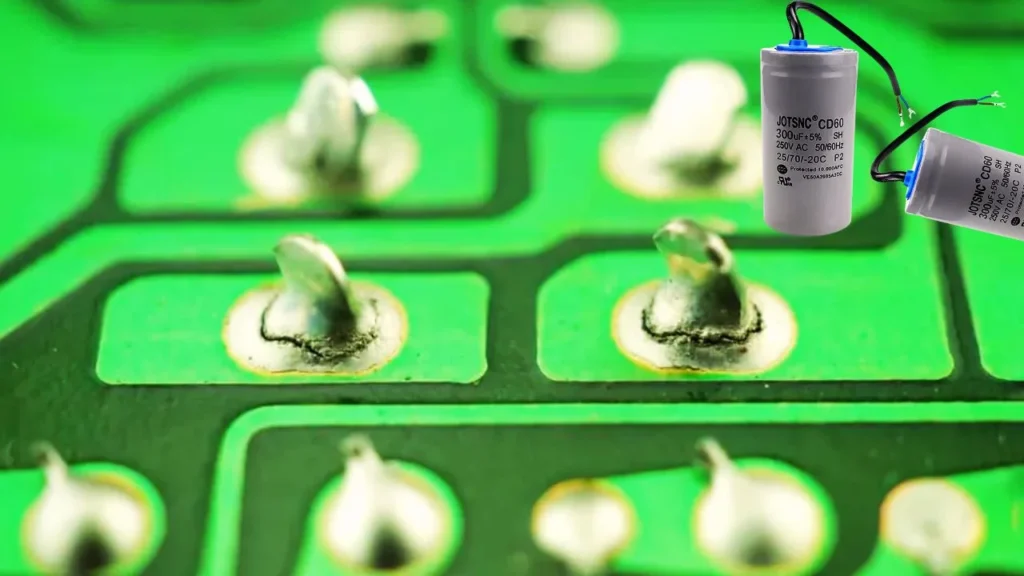
The solder joints that connect different components within an electronic circuit board are notoriously fragile and prone to breaking down over time with regular use. If you notice that any solder joints have been patched up with extra solder or tape, then this could be another sign that something is wrong with your capacitor and needs attention right away before it causes more significant problems down the road. What happens when an AC capacitor fails can be severe, leading to circuit malfunctions, overheating, or even system failure, so addressing these signs early is crucial.
Diagnosing an AC Capacitor Problem
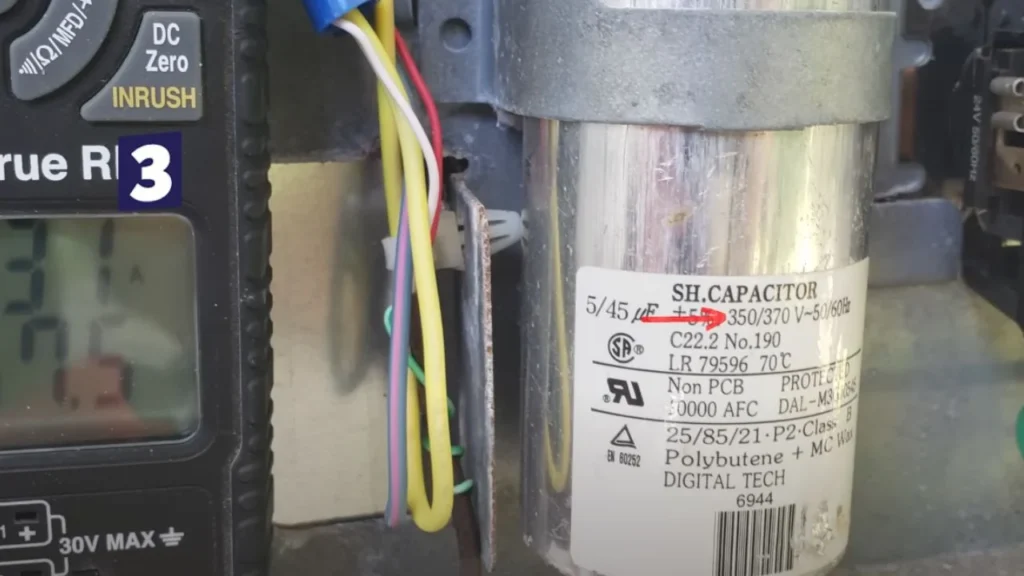
The only way to accurately diagnose an AC capacitor problem is through testing with a multimeter tool. A multimeter measures voltage and resistance in electrical circuits. An HVAC technician will use a multimeter to measure both the capacitance value and voltage between terminals on the capacitor.
After this compare them with manufacturer specifications. If there’s a significant difference between the measured values and expected values, then it’s likely due to a failing or worn-out capacitor. I made the list of best budget multimeters you can check out.
Replacing an AC Capacitor
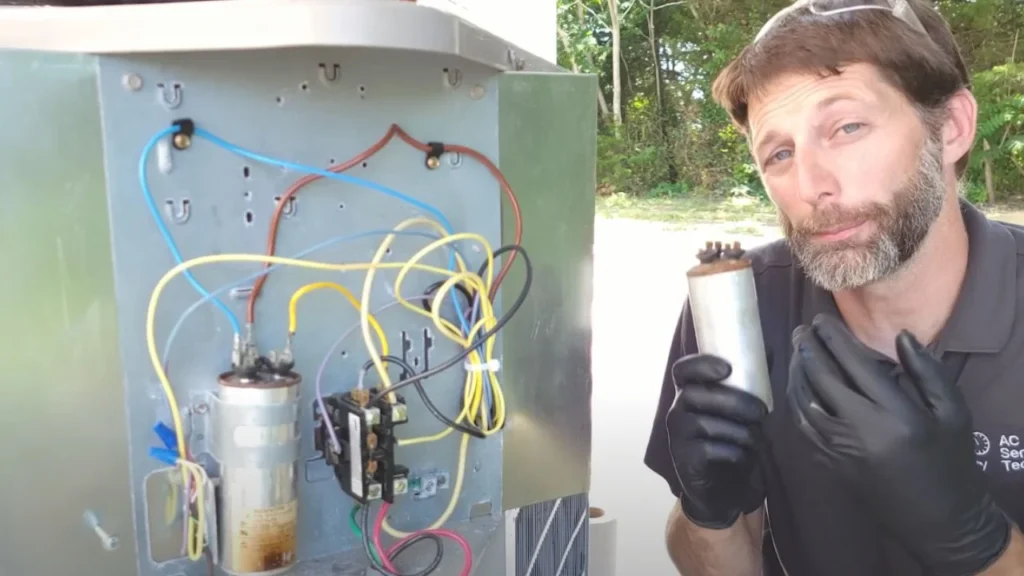
Suppose it turns out that your air conditioner’s problems are due to a faulty AC capacitor. In that case, it needs to be replaced immediately in order for your system to function correctly again. Replacing an AC capacitor involves:
- Draining any remaining charge from the old one.
- Disconnecting it from its terminals.
- If necessary, replace it with a new one with similar ratings or higher before reconnecting it back into place and charging up the new unit with electricity.
This process should always be done by an experienced HVAC professional in order to ensure the safety and proper installation of the new unit.
Bottom Line:
The solder joints that connect different components within an electronic circuit board are notoriously fragile and prone to breaking down over time with regular use. If you notice that any solder joints have been patched up with extra solder or tape, then this could be another sign that something is wrong with your capacitor. What happens when an AC capacitor fails can be serious, leading to more significant problems down the road if not addressed immediately.
Additionally, having an HVAC technician come in and perform regular maintenance checks on your system and other components within your home’s cooling setup using tools like the Milwaukee GIDDS2-288935 to measure capacitance values can help prevent future problems from arising altogether. These proactive steps will help keep you and your home cool during those hot summer days!
FAQs
Q1: What are the common signs of a bad AC capacitor?
The most common signs include physical damage like bulging or burn marks, diminished system performance, unexplained shutdowns, and patched-up solder joints. These indicators usually point to a failing capacitor that needs immediate attention.
Q2: Can I test an AC capacitor at home?
Yes, but it requires a multimeter and some electrical knowledge. A multimeter helps measure the capacitor’s voltage and capacitance to see if they match the manufacturer’s specifications. For accurate diagnosis and safety, it’s recommended to let an HVAC technician handle it.
Q3: What causes AC capacitors to fail?
Over time, exposure to heat, power surges, and regular wear and tear can cause capacitors to break down. Poor maintenance or manufacturing defects can also accelerate failure.
Q4: Is it safe to replace a bad AC capacitor myself?
While it’s possible, replacing an AC capacitor involves electrical risk and should ideally be done by a licensed HVAC technician. Incorrect handling can lead to electric shock or further system damage.