
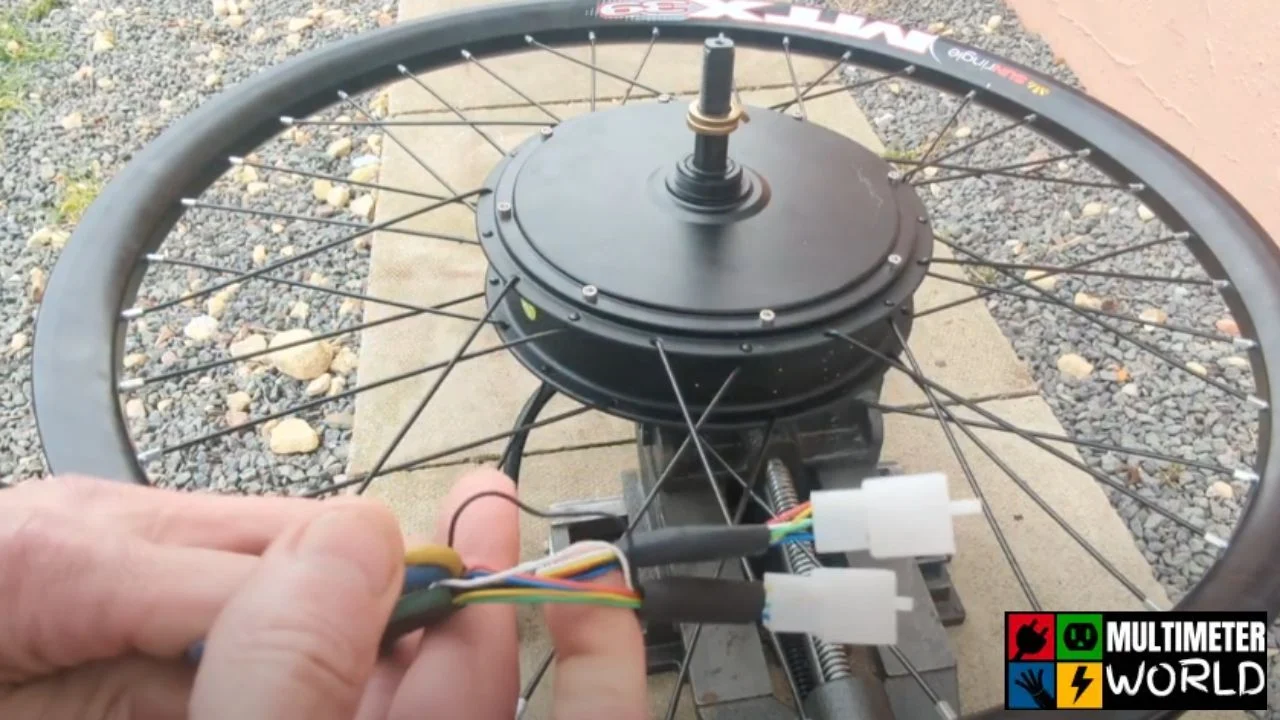

An electric bike hub motor is a great way to make your bike more efficient and straightforward. But how do you know if the motor is working correctly? This blog post will explain how to test electric bike hub motors in easy-to-follow steps.
| Quick Look: I start by connecting the motor to the battery and placing the bike on a flat surface. Once powered on, I pedal for 30 seconds and watch for smooth, steady assistance. If it jerks or pulses, I know there’s an issue. I coast to check consistency if all’s good, the motor passes. |
How to Test an Electric Bike Hub Motor | Table Guide
How to Test Electric Bike Hub Motor | Pro Guide
Step One:
Connect the motor to the battery. Make sure that the connections are secure and that no wires are exposed. Depending on your model, you may need an adapter or connector cable to test a lithium battery and connect the battery and motor properly.
A Quick Look
Step Two:
Place the bike on a flat surface and turn it on. If you have an LCD display, check that all settings are correct. You don’t want to overheat or damage your motor during this process accidentally.
NOCO Boost Plus GB40
⭐ 4.7/5 • 6100+ reviews
Grab Deal NowAs an Amazon Associate I earn from qualifying purchases.
Step Three:
- Start pedaling at a moderate speed for about 30 seconds.
- As you pedal, pay attention to how much power the motor provides.
- Remember, it should be smooth and consistent throughout your ride if you feel any jerking or pulsing from the motor. Then there may be a problem with its connections or internal components.
Step Four:
Stop pedaling and allow the bike to coast for another 30 seconds while monitoring how well the motor performs. It should continue running smoothly without noticeable changes in power output or performance. If everything looks good so far, your electric bike hub motor has passed this basic check of the DC motor!

How Does An Electric Bike Hub Motor Work?
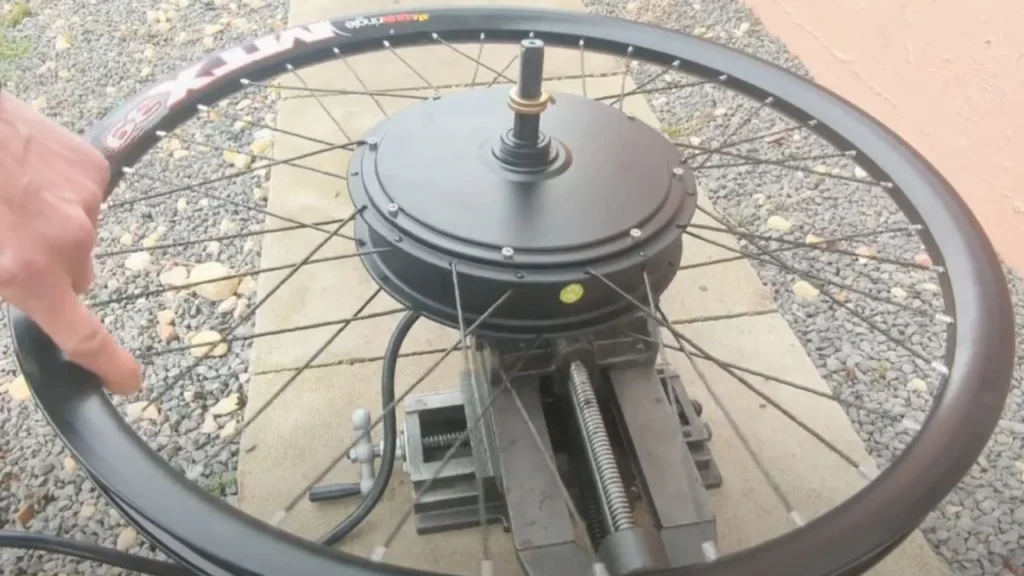
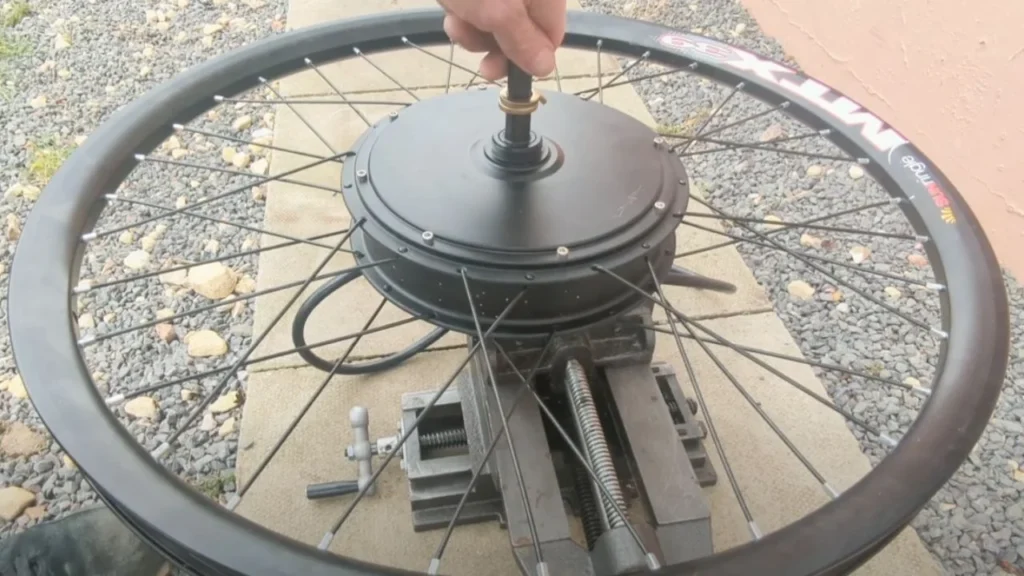
An electric bike hub motor is a powerful motor stored inside the bike’s wheel. It works by transferring power from an external power source, such as a battery, through wires connected to magnetic coils in the motor. The rotation of the coils causes a magnetic force that creates a current and produces torque. That torque spins the axle and propels the bicycle. Performing a routine check on the motor winding helps ensure consistent performance. The amount of propulsion can be controlled with sensors embedded within the motor. This detects movement and transmits signals to adjust energy output accordingly, making it ideal for short or long journeys.
How Long Do Ebike Hub Motors Last?
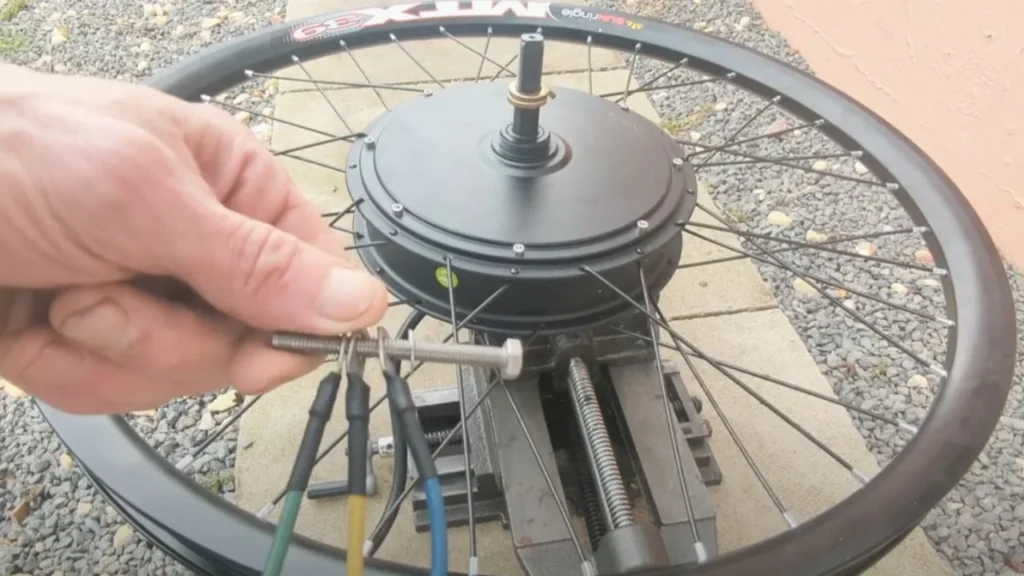
eBike hub motors are robust machinery that can last many years, depending on usage and maintenance. Correctly cared-for hub motors offer reliable performance day in and day out. To extend motor life further, periodic cleaning to remove dirt and debris is recommended. Doing this can significantly reduce wear and tear. For those wondering how to test an electric bike hub motor, regularly checking its performance can help catch potential issues early, ensuring a smooth ride for years to come.Additionally, checking for any loose connections every few months or running a quick ECM motor test can prevent costly repairs or replacements. An eBike hub motor can offer years of enjoyable rides with proper routine maintenance!
What Causes An Ebike Controller To Fail?
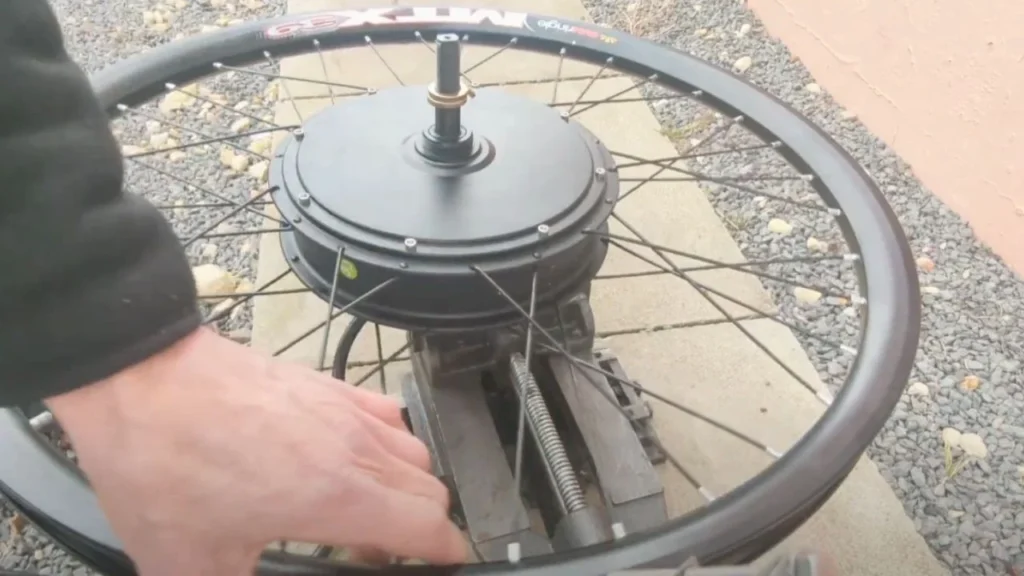
If you’ve ever owned or ridden an electric bike, you know that the controller is a critical system component. Without this device, your eBike would be unable to function correctly. But unfortunately, like all electronic components, controllers can fail. So why does this happen? Before you jump to conclusions, it’s worth learning how to test a single-phase motor, as many eBike failures are related to motor issues.
Power Supply Problems
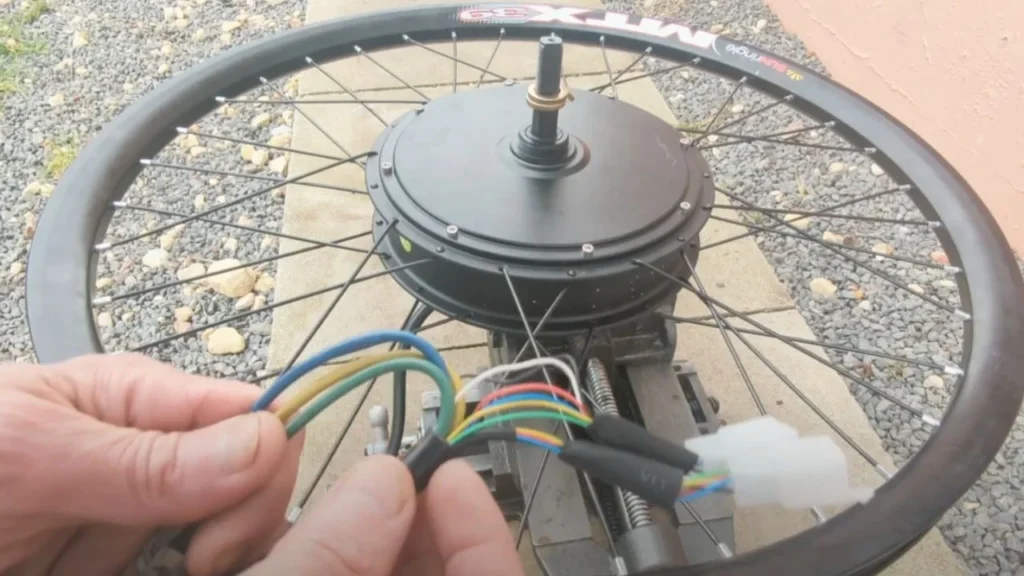
One of the leading causes of an eBike controller failing is damage to the internal power supply. This type of failure typically occurs when a sudden surge in electrical current overloads the system and damages its components.
This can be caused by unexpected voltage spikes or connecting too many devices to the same power source. To minimize the risk of this happening, ensure you run your bike on a reliable power source and check your connections regularly for any signs of wear and tear. I made the list of best budget multimeters you can check out.
Weather Damage
Another possible cause for an eBike controller failure is weather damage. Since eBikes are usually used outdoors, they are exposed to all weather conditions, which can wreak havoc on their components.
Water exposure, in particular, can cause corrosion and rusting, while extreme temperatures can cause thermal expansion and contraction, affecting their functioning. To reduce the risk of weather damage, always store your eBike in a sheltered area and protect it with a waterproof cover if necessary.
Poor Contact with Wiring
Finally, poor contact between the wiring and other components can lead to controller failure. This typically happens when wires become corroded or loose due to wear and tear or are not appropriately connected from the start.
To prevent this from happening, make sure all wires are connected securely and regularly inspect them for any signs of damage or wear and tear. It would be best if you also considered investing in high-quality wires that will last longer than regular ones.
Bottom Line:
How to test an electric bike hub motor? Testing your electric bike hub motor is essential in keeping it running smoothly and efficiently. Following these simple steps can help ensure that your bike is always ready for action when needed! Remember, even though testing your electric bike hub motor may seem daunting at first, with practice, it can become second nature in no time! Good luck!
FAQs
Q1: hat are the signs that my electric bike hub motor isn’t working properly?
Common signs include jerky or inconsistent motor power, pulsing sensations while riding, and loss of assistance when pedaling. These issues may indicate problems with wiring, internal components, or controller settings.
Q2: Do I need special tools to test an eBike hub motor?
Not necessarily. For a basic functionality test, you only need to connect the motor to a battery, ride the bike, and observe its performance. However, for in-depth diagnostics, Amprobe AM-500 multimeter and a controller tester can help identify electrical issues more accurately.
Q3: How often should I test or inspect my eBike hub motor?
It’s a good idea to check your hub motor every few months, especially if you ride frequently. Regular testing helps catch minor issues before they lead to bigger problems, ensuring smooth and safe rides.
Q4: Can weather conditions affect the performance of my eBike hub motor?
Yes, exposure to water, extreme heat, or cold can impact your motor and controller. Moisture can cause corrosion, and temperature shifts can damage internal components. Always store your eBike in a dry, sheltered place to extend its lifespan.